
The most powerful AI software development platform with the industry-leading context engine.
Understanding Spec-Driven-Development: Kiro, spec-kit, and Tessl
Notes from my Thoughtworks colleagues on AI-assisted software delivery

Measuring the Impact of Early-2025 AI on Experienced Open-Source...
Despite widespread adoption, the impact of AI tools on software development in the wild remains understudied. We conduct a randomized controlled trial (RCT) to understand how AI tools at the...

LukeW | Common AI Product Issues
At this point, almost every software domain has launched or explored AI features. Despite the wide range of use cases, most of these implementations have been t...
Supermemory
The memory layer for AI agents. Context engineering platform powering enterprise APIs, developer plugins, and a personal app that remembers everything.
How StrongDM’s AI team build serious software without even looking at the code
Last week I hinted at a demo I had seen from a team implementing what Dan Shapiro called the Dark Factory level of AI adoption, where no human even looks …

Context Engineering
Context engineering strategies for AI agents: write, select, compress, and isolate context to optimize performance and manage long-running tasks.
Meet Foundry: An AI Startup that Builds, Evaluates, and Improves AI Agents

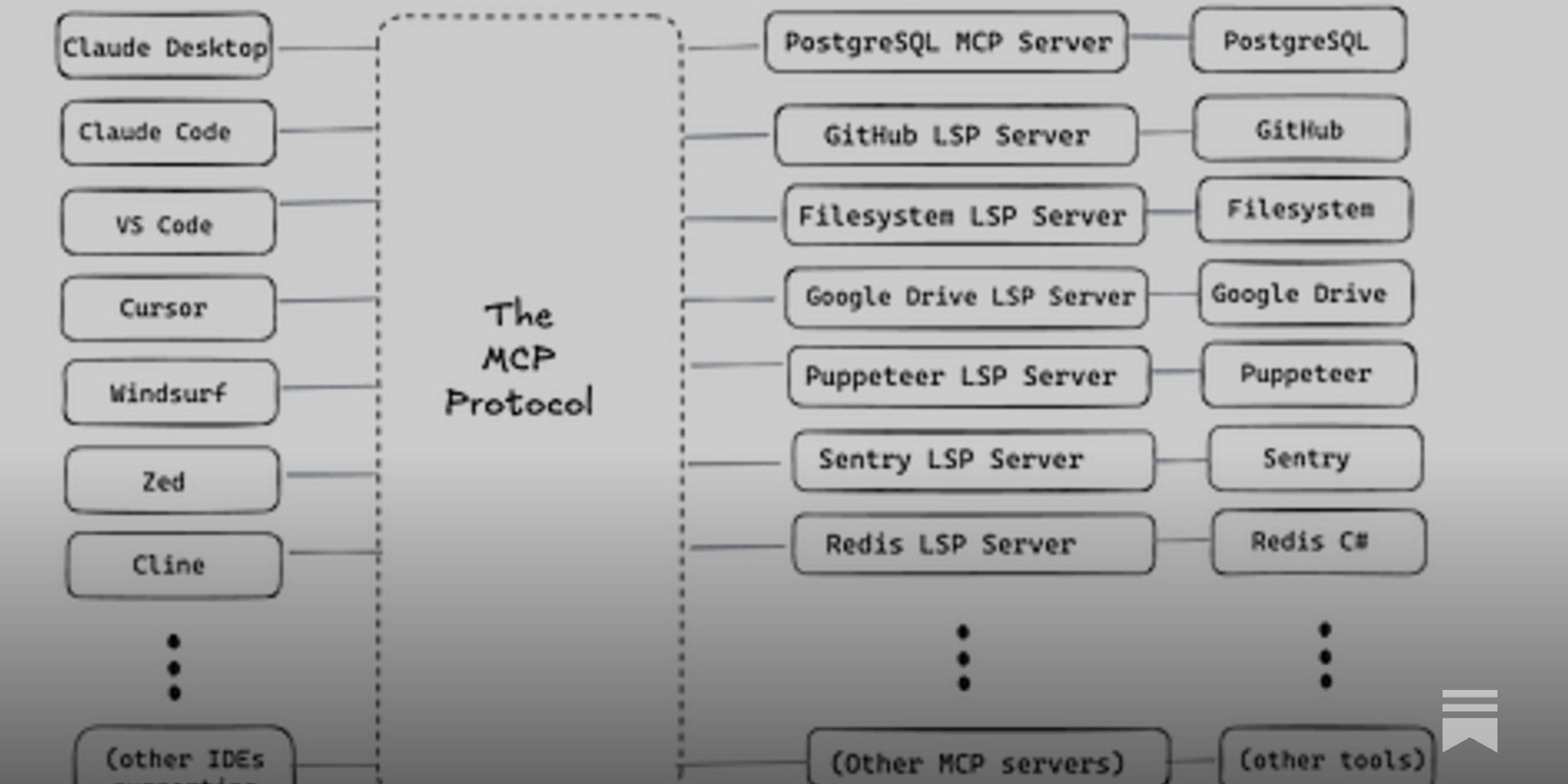
MCP Protocol: a new AI dev tools building block
The Model Context Protocol - that extends IDEs’ AI capabilities - is gaining rapid popularity. Why is this, and why should us developers pay attention to it?
Full Spec MCP: Hidden Capabilities of the MCP spec — Harald Kirschner, Microsoft/VSCode
"RAG is Dead, Context Engineering is King" — with Jeff Huber of Chroma
What actually matters in vector databases in 2025, why “modern search for AI” is different, and how to ship systems that don’t rot as context grows.

Human-Centered Artificial Intelligence: Three Fresh Ideas
Human-Centered AI (HCAI) is a promising direction for designing AI systems that support human self-efficacy, promote creativity, clarify responsibility, and facilitate social participation. These human aspirations also encourage consideration of privacy, security, environmental protection, social justice, and human rights. This commentary reverses the current emphasis on algorithms and AI methods, by putting humans at the center of systems design thinking, in effect, a second Copernican Revolution. It offers three ideas: (1) a two-dimensional HCAI framework, which shows how it is possible to have both high levels of human control AND high levels of automation, (2) a shift from emulating humans to empowering people with a plea to shift language, imagery, and metaphors away from portrayals of intelligent autonomous teammates towards descriptions of powerful tool-like appliances and tele-operated devices, and (3) a three-level governance structure that describes how software engineering teams can develop more reliable systems, how managers can emphasize a safety culture across an organization, and how industry-wide certification can promote trustworthy HCAI systems. These ideas will be challenged by some, refined by others, extended to accommodate new technologies, and validated with quantitative and qualitative research. They offer a reframe -- a chance to restart design discussions for products and services -- which could bring greater benefits to individuals, families, communities, businesses, and society.
No Vibes Allowed: Solving Hard Problems in Complex Codebases – Dex Horthy, HumanLayer

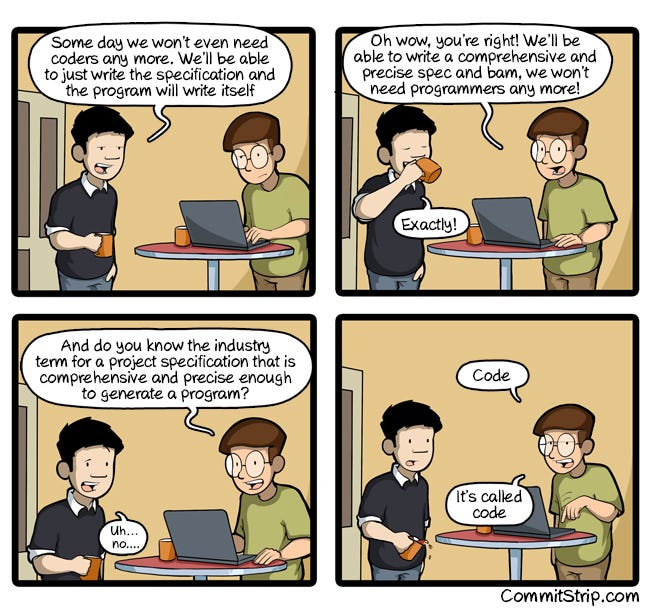
The Real Reason We Still Need Software Developers in the World of AI
The dream of AI churning out perfect production-ready code doesn’t hold up against the reality of modern software development.
Where Did Software Go Wrong? | Jesse Li
Software is broken, but it's not because of NPM, startups, AI, or venture capitalists. A deep dive into how we think about and produce code, and how our software systems reflect the manic state of the modern world.

Context Constitution
Today we are releasing the Context Constitution: a set of principles governing how AI agents manage context to learn from experience.