

What topics and trends are driving the water community forward? Read the AWWA State of the Water Industry Report for data-driven insights into key issues.
Treatment Processes Reported by US Public Water Systems (2004-2020)
This repository holds records on treatment processes and objectives reported by United States (US) public water systems from 2004-2020. These data were obtained via a Freedom of Information Act request made to the US Environmental Protection Agency in June 2020. Data were reported quarterly. Please refer to the associated publication (Liddie et al., 2026) for additional details on these data. Please cite both this repository and the publication if you use or refer to these data.
You’re Thinking About AI and Water All Wrong
Fears about AI data centers’ water use have exploded. Experts say the reality is far more complicated than people think.

Water Use Isn’t a Data Center Problem, It’s an AI Problem
Critics of the AI build-out are picking the wrong fight when they attack data centers for their water use. But they are right when they say the digital economy is getting thirstier and the tech industry should answer for it.The whole AI supply chain is water intensive, and reducing use in one ...

How much of a problem is AI’s water use?
AI’s water footprint is growing, but location and cooling technology make a difference.

EPA Launches Initiative to Strengthen Support for Water Systems, Maximize Impact to Ensure Clean, Safe Water for All | US EPA
EPA launched the Real Water Technical Assistance (RealWaterTA) initiative, a back-to-basics approach to support drinking water and wastewater systems using proven, best-practice approaches that will most effectively address local needs.
Replication Data for: Sociodemographic Factors are Associated with the Abundance of PFAS Sources and Detection in U.S. Community Water Systems
This repository holds two replication datasets for the study titled, "Sociodemographic Factors are Associated with the Abundance of PFAS Sources and Detection in U.S. Community Water Systems." Additional information is available in the readme file for download.
Data center guzzled 30 million gallons of water and nobody noticed for months
Can AI save us from the AI industry’s endless thirst for water? Outlook not so good.

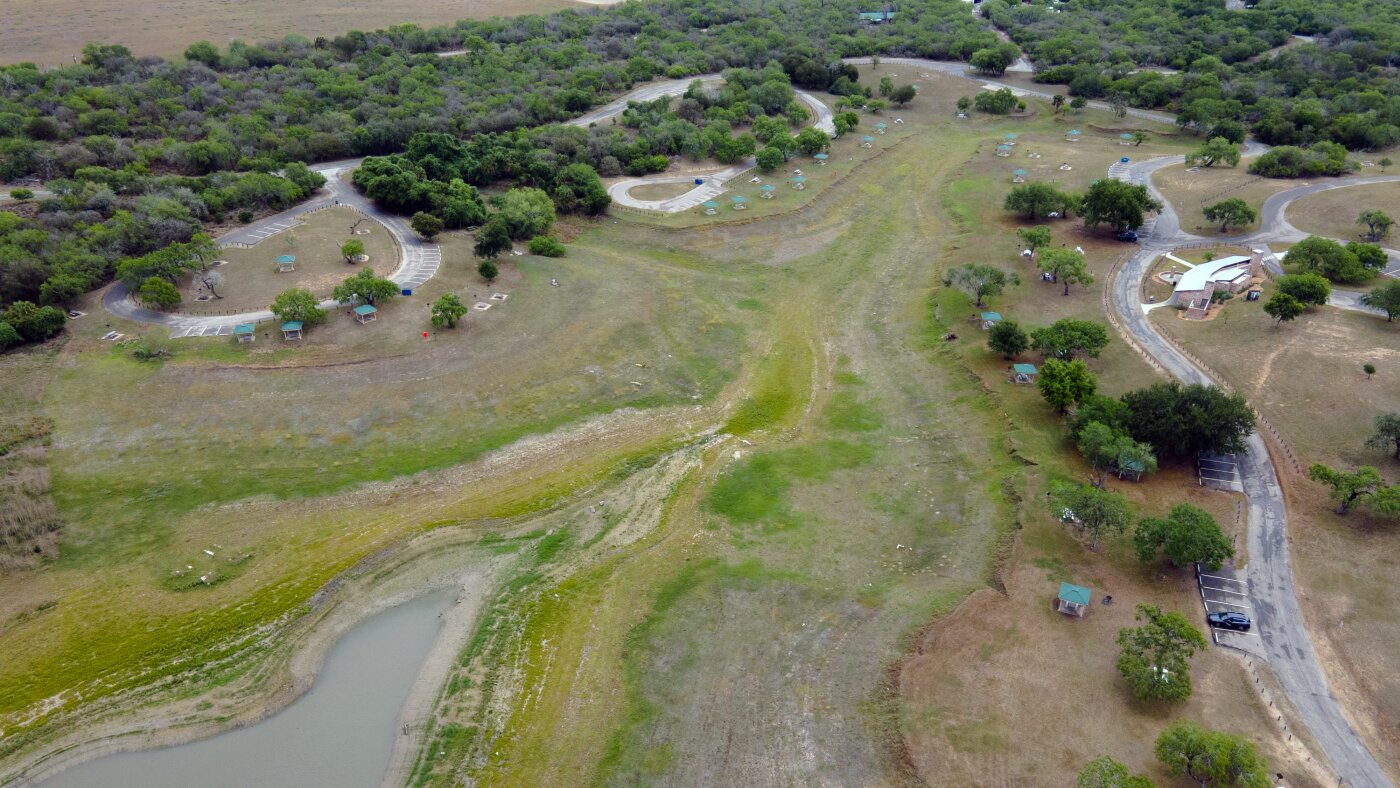
Texas coastal city faces worsening water shortage due to prolonged drought
After years of drought and rising demand, Corpus Christi's water supply is nearing critical levels, raising concerns for residents and one of the nation's largest energy hubs.
Characteristics of ‘early adopters’ of water treatment capacity needed to remove PFAS and other emerging contaminants in the United States
Larger CWS were 7–8 times more likely than smaller systems to adopt advanced treatment processes over 2004–2022. , Past work shows exposures to drinking water contaminants can differ among regions with varying sociodemographic composition, in part due to disparities in siting of pollution sources. Drinking water treatment by reverse osmosis, ion exchange, or activated carbon has been recommended by United States (US) regulatory agencies for community water systems (CWS) with elevated concentrations of emerging chemical toxicants such as per- and polyfluoroalkyl substances (PFAS). However, barriers faced by CWS in implementing such technologies are not well understood. Here we used a national scale ( n = 36 611 CWS) Kaplan–Meier “survival” analysis, as well as adjusted piecewise logistic regression models, to retrospectively examine characteristics of CWS that were “early adopters” of these treatment technologies between 2004–2022. Results showed the largest CWS serving >100 000 customers adopted the treatment technologies considered here 7–8 times faster than small and very small CWS serving <3300 customers from 2004–2022. Nationally and for a case study of CWS with elevated PFAS concentrations, the odds of CWS adopting the treatment technologies considered in this study between 2004–2022 were significantly lower (10–25%) for each 10% higher proportion of non-Hispanic Black residents. Results were generally consistent when focusing on CWS with prior MCL violations and in CWS across different US regions , system sizes, and source water types. The proportion of American Indian and Alaskan Native residents was also inversely associated with adoption of the treatment technologies for certain groups of CWS. These results suggest managerial and financial barriers to removal of high levels of emerging contaminants in drinking water may be most pronounced for some small CWS and those serving selected historically marginalized communities.
Socioeconomic Disparities in Exposures to PFAS and Other Unregulated Industrial Drinking Water Contaminants in US Public Water Systems
2025 Water Quality Report: Statesville Water Quality Report Released – All State & Federal Standards Met
The City of Statesville has released its 2025 Water Quality Report, confirming that the City’s drinking water meets or exceeds all health standards set by the U.S. Environmental Protection Agency (EPA) and the North Carolina Department of Environmental and Natural Resources (DENR).
Crypto, Blockchain and FinTech Industry Insights Blog
Visit Ripple’s Insights blog for the latest articles, news, industry trends, and thought leadership across blockchain, crypto, payments and more.

How data centres are draining water and energy from the Global South
The story started in Georgia, US—not with a law being broken in some faraway place, but with residents noticing something wrong in their own homes: the water pressure kept dropping unusually.

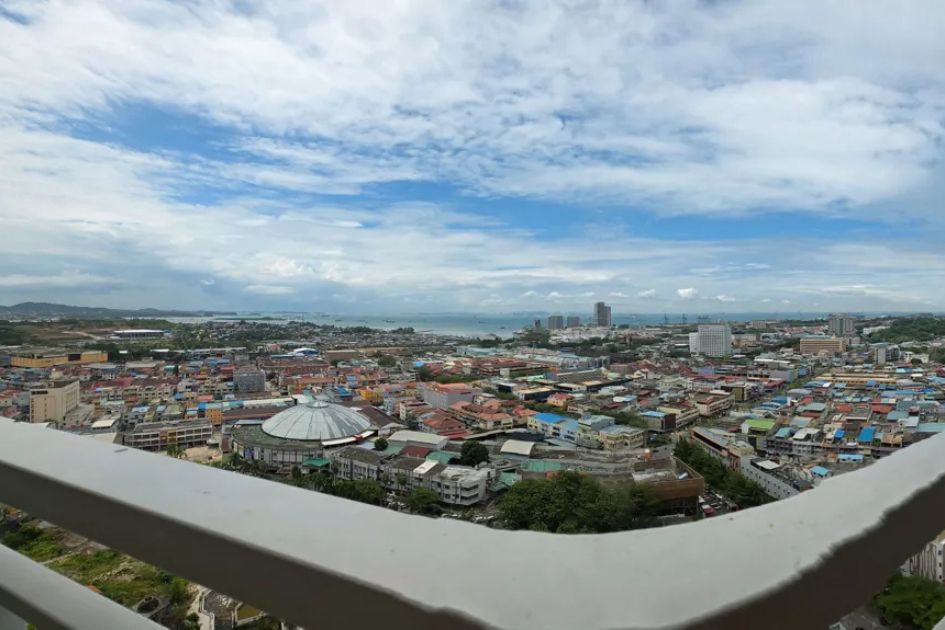
Water shortages spark protests over data centres on Indonesia's Batam
Batam residents protest water shortages as data centre expansion raises resource concerns.
Focusing on community technology A waterwheel, a protocol, and the case for technology that communities can own.
Focusing on community technology
eskahlay.com
