

Democrats sought to give voice to groups long marginalized in politics. But little by little, the backlash unfurled.
Liberalism Did Not Fail, Conservatism Did
We are moving from an ideologically multipolar world, to a bipolar one.
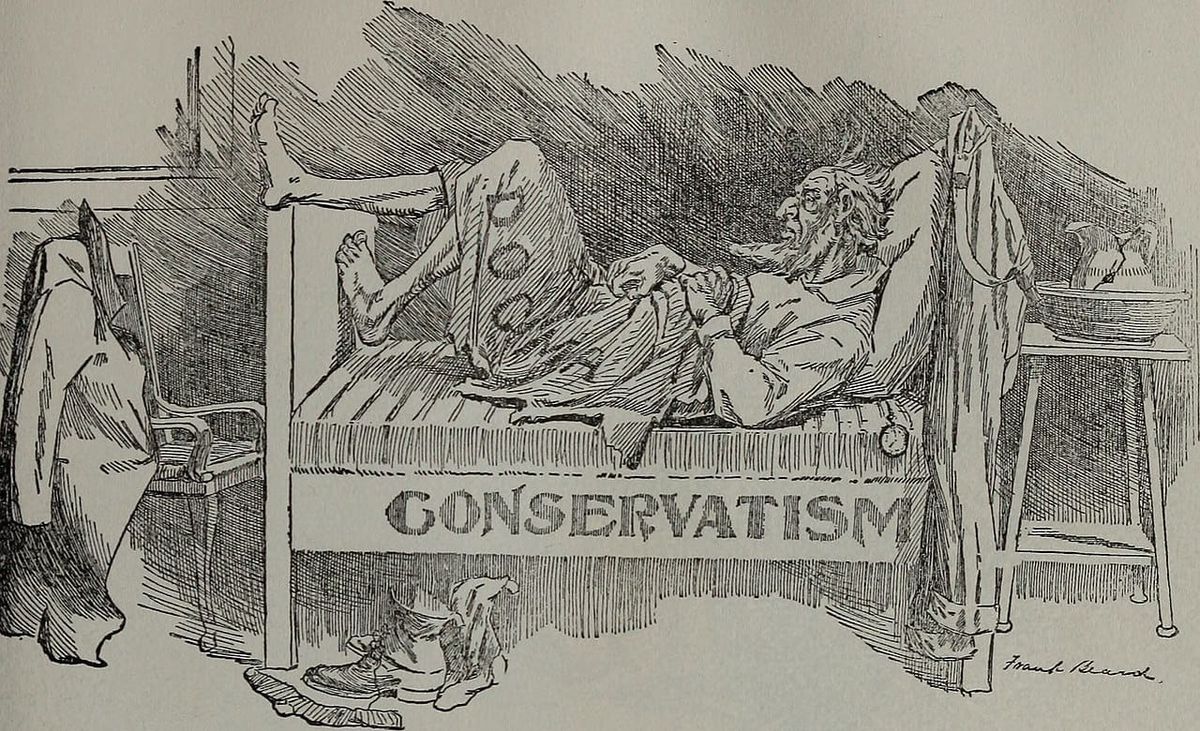
Democrats Must Embrace War Mindset
We have exited a long period of peace and entered into a struggle not unlike war, in which all the old certainties have gone malleable and the future of the republic is at stake.

Capitalism, Democracy, and Du Bois’s <em>Two</em> Proletariats
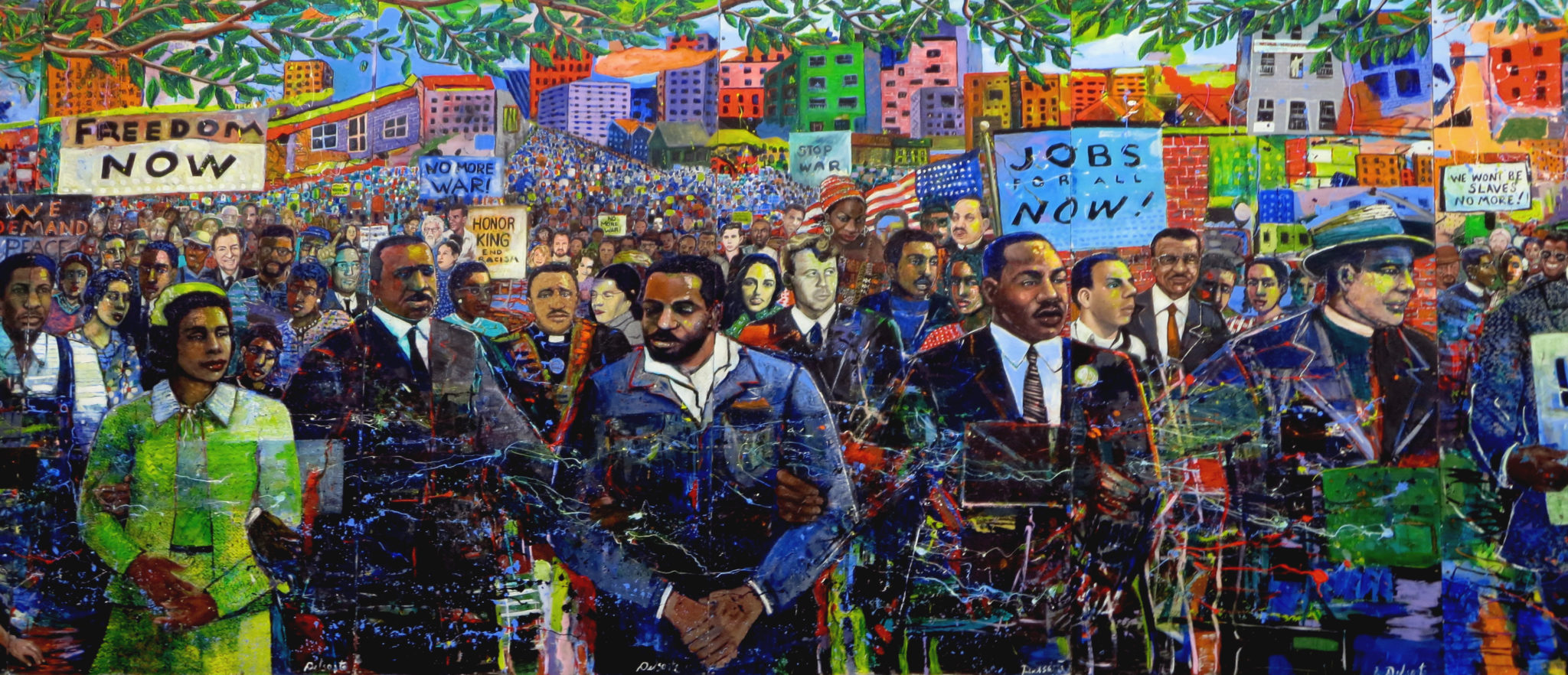
[epq-quote align="align-right"]"What can be more radical or liberating than freedom and justice for all?"[/epq-quote] As an ideal, liberal democracy has great appeal. What can be more radical or liberating than...
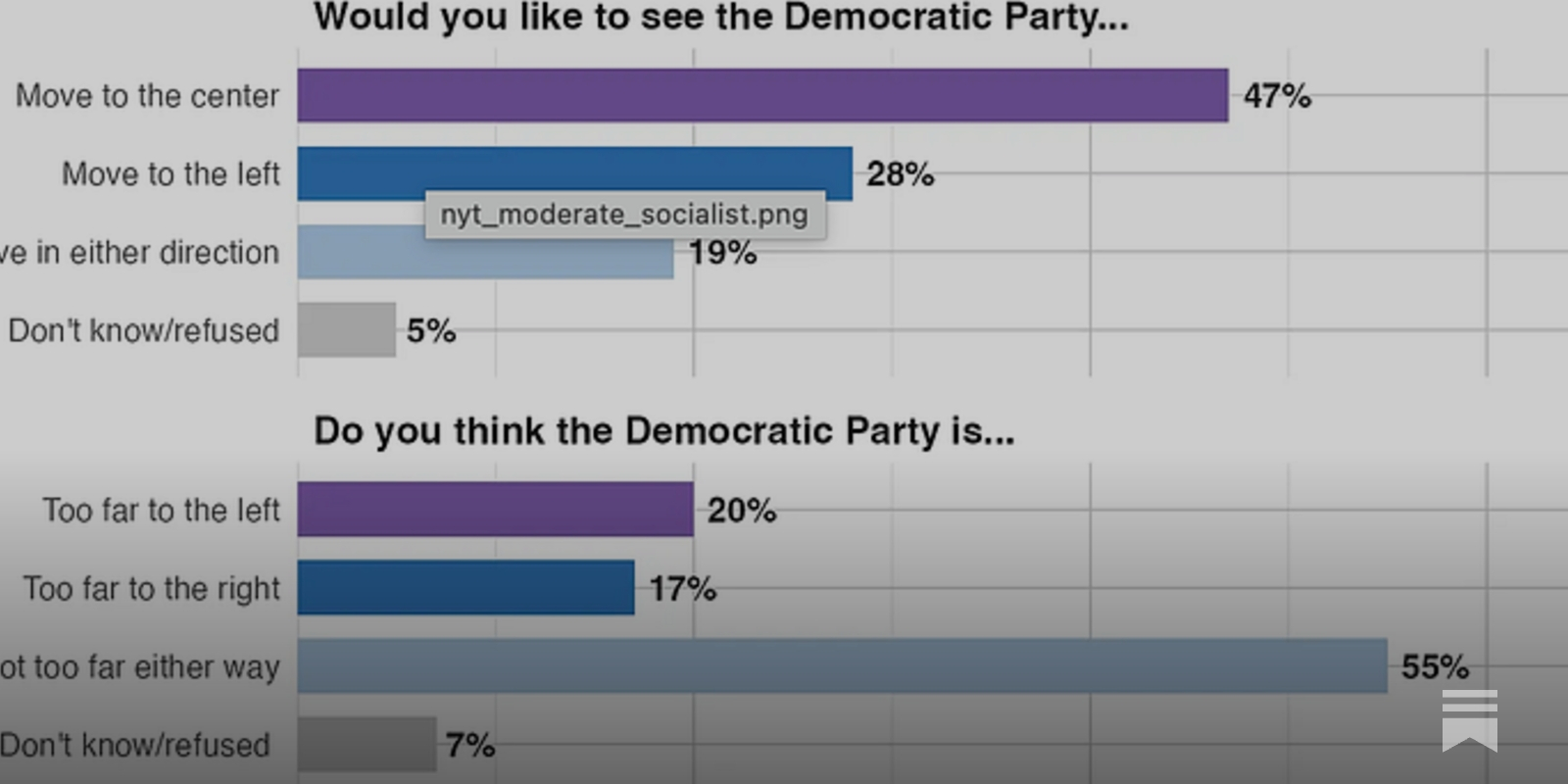
Democratic voters want the party to be more moderate — and more socialist?
The trouble with polling about ideological labels
Opinion | Let’s just say it: The Republicans are the problem.
Republicans have become more extreme than Democrats.

The Democratic image is underwater — but they're not losing
The party has a near-historically low favorability rating. This is mostly due to disaffection on the left, where voters still say they'll vote Democratic for the midterms
The building blocks of state capacity liberalism
Big fix liberalism, adaptive institutions, supply-side progressivism, democratic steering, repurposed neoliberalism and cyborg bureaucracy. That's some mouthful.

What Happened to Liberal Democracy?: Remaking a Politics of Shared Prosperity - FROM THE WINNER OF THE NOBEL PRIZE IN ECONOMICS
'Timely ... an important call to arms' FINANCIAL TIMES'A must-read' THOMAS PIKETTY, author of Capital in the Twenty-First Century'A thoughtful solution to the most important question of modern democracy' JARED DIAMOND, author of Guns, Germs, and Steel'Brilliant and insightful a tour de force' STEVEN LEVITT, author of FreakonomicsFrom its inception, liberalism offered a glittering promise of shared prosperity, equality, democratic values and the free pursuit of knowledge. At first, it flourished. And then it faltered. Once a tantalising beacon of hope, it began to erode and decay at the hands of elitism, intolerance and rising autocracy. One could say that liberalism is broken. So what comes next? Nobel prize-winning co-author of Why Nations Fail Daron Acemoglu charts the rise and fall of liberal democracy, and offers hope for a way forward: a new theory that lays the groundwork for how we can - and must - remake liberalism before it's too late.
Radical Liberalism, Pragmatism, and Me - Aricie's thoughts
B.C. Liberals reject changes that would diminish party donations
Liberal government resisting calls to ban corporate and union donations
Why Are Some Democrats Backing MAGA's Anti-LGBTQ+ Censorship?
From late-night host cancellations to removing LGBTQ+ history from government sites, politicians in both parties are contributing to the overwriting of the internet — a place where lots of queer and trans people first find community.

“They have no allegiance to liberal democracy”: An expert on antifa explains the group
The left-wing group is back in the news. An expert explains where they come from and what they want.

A Liberalism That Builds Power
The goals of domestic supply chains, good jobs, carbon reduction, and public input are inseparable.

Here Comes the Inevitable Backlash to DSA’s Rise
The Democratic elites are wary of the insurgency.
Public support for the <i>cordon sanitaire</i> : Descriptive evidence from Spain
Reactions to the rise of far-right parties that advocate democratic backsliding, and the dilution of socially liberal democratic norms present a dilemma for existing political parties. How should existing political parties respond to this challenge? A commonly adopted strategy is to apply a cordon sanitaire which excludes radical right-wing challengers from the government-forming process. Do voters support this policy? Leveraging data from Spain – where the mainstream right has accommodated the radical right-wing party, VOX, via numerous governing coalitions – I rely on individual citizens’ views on how parties should respond to rise of the far-right party, to answer this question. Empirically, the results show very low-level support for the cordon sanitaire in Spain. Indeed, the modal position of the electorate, regardless of their ideological position, is to treat the party just like any other. These results are not conditioned by the propensity of individuals to identify VOX as indeed being a “radical right” party. These descriptive findings suggest that whilst radical right-wing parties may present an inimical threat to democratic norms, citizens do not necessarily view the means of squashing this threat to be one of strategic exclusion. This likely explains why the mainstream right has been able to institutionalise VOX as a political ally: where strategic exclusion is not expected, the mainstream right need not fear violating an expectation that does not exist.
