

Davies has been the Pentagon's chief information officer.
Katie Zacharia Was Linked to an AI Rare-Earths Startup. It’s Even Weirder Than It Sounds
The short-lived White House press secretary was listed as an adviser to a Kristi Noem-linked company that aims to use AI for mining. Both the company and she say she never worked there.

Books — Sharon Weinberger
Drawing on deep, exclusive reporting, a veteran national security correspondent reveals how a new military-industrial complex is arising from the cradle of Silicon Valley, with vast implications for American democracy and the global balance of power.Elon Musk, Peter Thiel, and Alexander Karp. These tech titans are fast becoming some of the most powerful figures in the realm of national security, with enormous implications for us all. As Sharon Weinberger reveals in this gripping account, the American military and spy agencies helped to create Silicon Valley as we now know it, and some of its biggest and most valuable companies today owe much of their success to the Pentagon and CIA. Beginning with the War on Terror and accelerating under Donald Trump, however, the old alliance between elected leaders in Washington and the unelected CEOs of Silicon Valley has grown increasingly uneasy as power has shifted to the private sector and Big Tech exerts greater and greater influence over its old patrons. Companies such as SpaceX and Palantir, along with newer entrants to the field such as Anduril, are proudly supporting—and quietly shaping—US national defense, whether by providing spies and soldiers with AI and cloud-computing tools or actual military hardware such as microwave weapons, hypersonic missiles, and advanced drones. The implications of this historic shift are poorly understood and fraught with peril. What happens when mercurial billionaires like Elon Musk control weapons and technologies that were once the preserve of the US government? How will this new military-industrial complex affect the way wars are fought, or even which wars are fought? That is the urgent question before us today, at the dawn of this new era—and as Weinberger reveals, it is one on which our collective future might well hinge.
Dr Emma Briant
Dr. Emma L. Briant is one of the world’s leading experts on information warfare and propaganda.

How a billionaire-backed network of AI advisers took over Washington
A sprawling network spread across Congress, federal agencies and think tanks is pushing policymakers to put AI apocalypse at the top of the agenda — potentially boxing out other worries and benefiting top AI companies with ties to the network.
As the Federal Government Rushes Toward AI, Here Are Three Cautionary Tales — ProPublica
We’ve been reporting on cybersecurity for years. As President Donald Trump and his Cabinet say artificial intelligence will transform the nation, the messaging isn’t new. It follows a familiar pattern.

Pentagon Employee DataRepublican Posts Inside Info About Hacks Against the Far Left
A far-right hacker posts in tandem with DataRepublican, the X account of Pentagon employee Jennica Pounds, about hacks against the left.

What-to-get-right-first – The Starling Lab for Data Integrity
Note to readers: The Starling Lab welcomed Rebecca MacKinnon as a Summer 2021 fellow to launch our own research on corporate governance and accountability in Web3. Her broad experience, as a bureau chief for CNN in China and Japan as well as a digital policy scholar for leading think tanks and university research centers, placed her at the epicenter of the internet’s most complex policy challenges. But it was her years holding internet giants to account for their lofty and largely failed commitments on human rights that was the most instructive. Both pragmatic and inspiring, she helped us set the frame and tone for a broader investigation into how ethics on a decentralized internet can realistically transform data integrity across Starling Lab’s domains of history, journalism, and law.
Feds Appoint 'AI Doomer' To Run US AI Safety Institute - Slashdot
An anonymous reader quotes a report from Ars Technica: The US AI Safety Institute -- part of the National Institute of Standards and Technology (NIST)—has finally announced its leadership team after much speculation. Appointed as head of AI safety is Paul Christiano, a former OpenAI researcher...

Scoop: Trump admin blocks foreign access to Anthropic's most powerful AI
The move marks an escalation in Washington's effort to treat cutting-edge AI systems as national security assets.
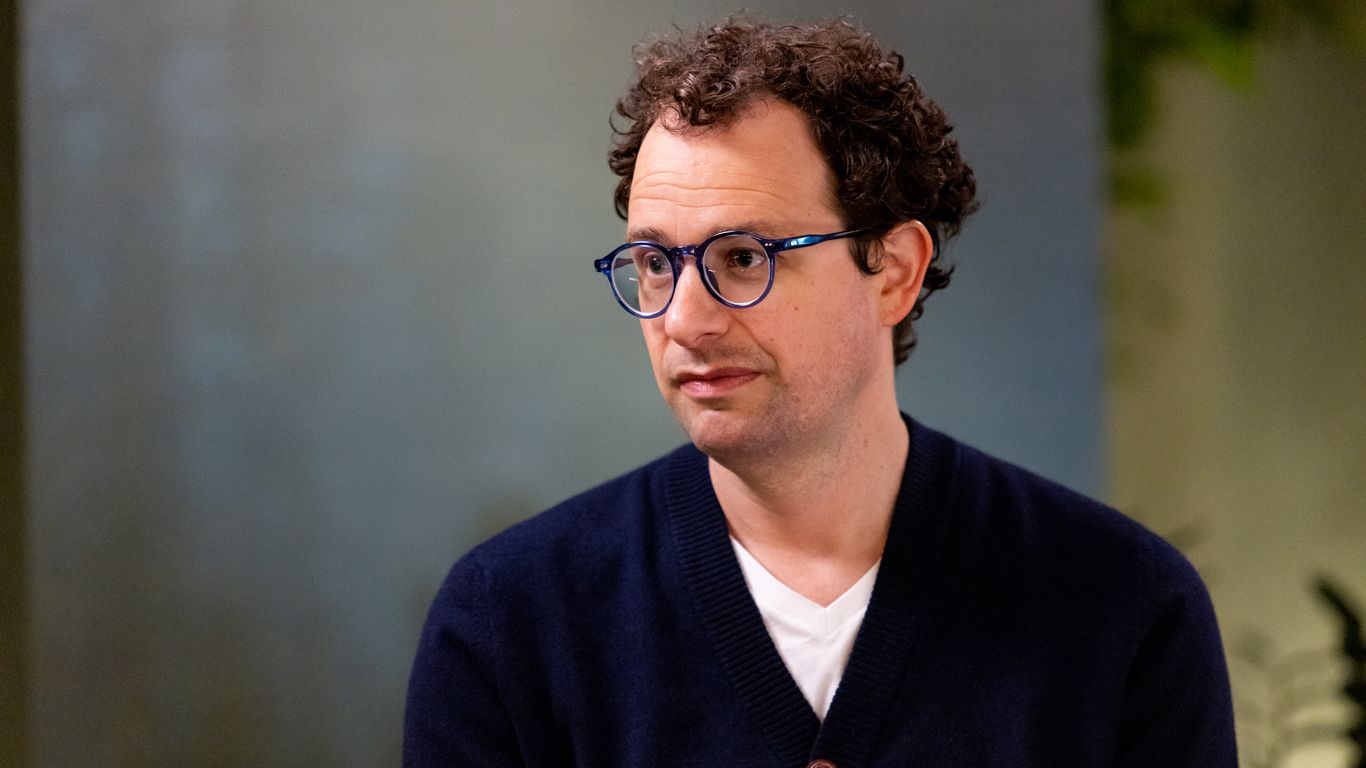
Microsoft CEO responds to AI-generated Taylor Swift fake nude images
CEO Satya Nadella said "guardrails" need to be placed around AI technology.

NDSS 2024 Keynote - AI, Encryption, and the Sins of the 90s, Meredith Whittaker
Matt Prewitt
Matt Prewitt — lawyer, writer, technologist. AI, authority, and the political economy of information.
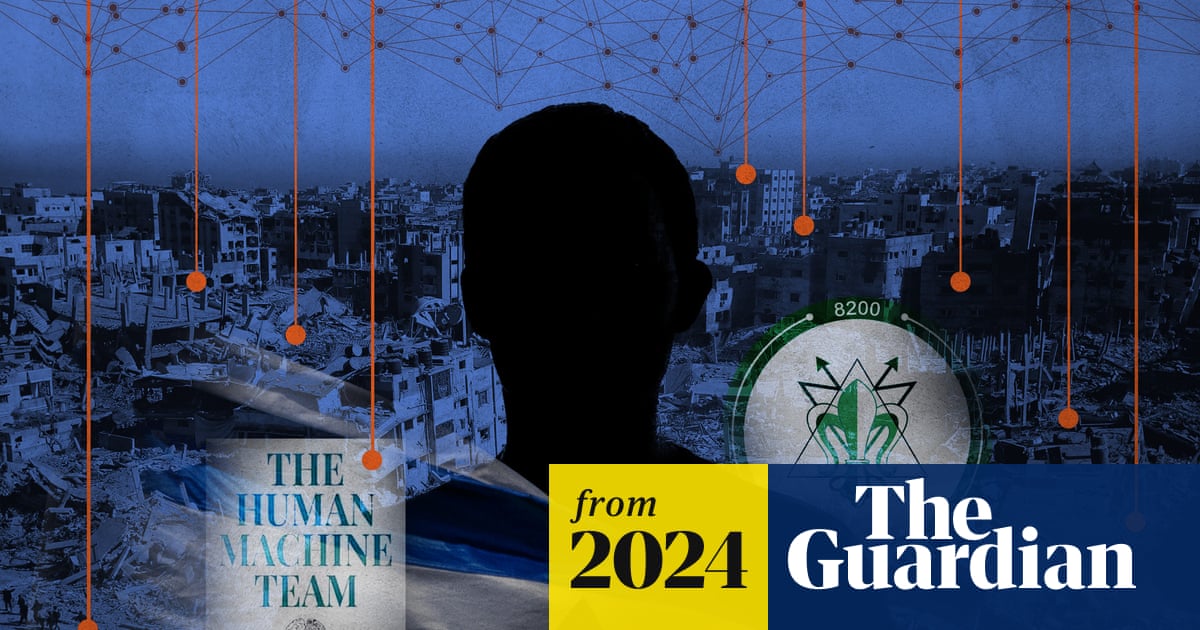
Top Israeli spy chief exposes his true identity in online security lapse
Exclusive: Yossi Sariel unmasked as head of Unit 8200 and architect of AI strategy after book written under pen name reveals his Google account
DOE Identifies 16 Federal Sites Across the Country for Data Center and AI Infrastructure Development
Energy Secretary Chris Wright acts to strengthen America’s energy dominance and leadership in artificial intelligence by leveraging federal land and assets
Joshua Fry — UX Designer, Digital Creator, Musician
Designing websites and apps, building things online, and making music.
CERN70: Where the Web was born…
In 1989, Tim Berners-Lee, a young scientist working at CERN, wrote a proposal for an information management system based on the Internet. At the time, few people really understood the significance of his seemingly abstract idea. Luckily, however, his supervisor and a few colleagues had the foresight to let him work on an invention that would change the world.
