


Slowly but surely, huge swaths of the internet are vanishing. But the artefacts of the early web are still out there, and they have lessons for the future.

We can have a different web
Many yearn for the “good old days” of the web. We could have those good old days back — or something even better — and if anything, it would be easier now than it ever was.
AI Might Be Our Best Shot At Taking Back The Open Web
I remember, pretty clearly, my excitement over the early World Wide Web. I had been on the internet for a year or two at that point, mostly using IRC, Usenet, and Gopher (along with email, naturall…
Welcome to the Post-Naive Internet Era
The grand idealism of the free and open internet might be over for now, but in its place falls a more practical mindset. Just like Silicon Valley’s entrepreneurs are entering their “Hard Tech” era, the people building web alternatives are also entering their Post-Naive Era. Here are the names to know.
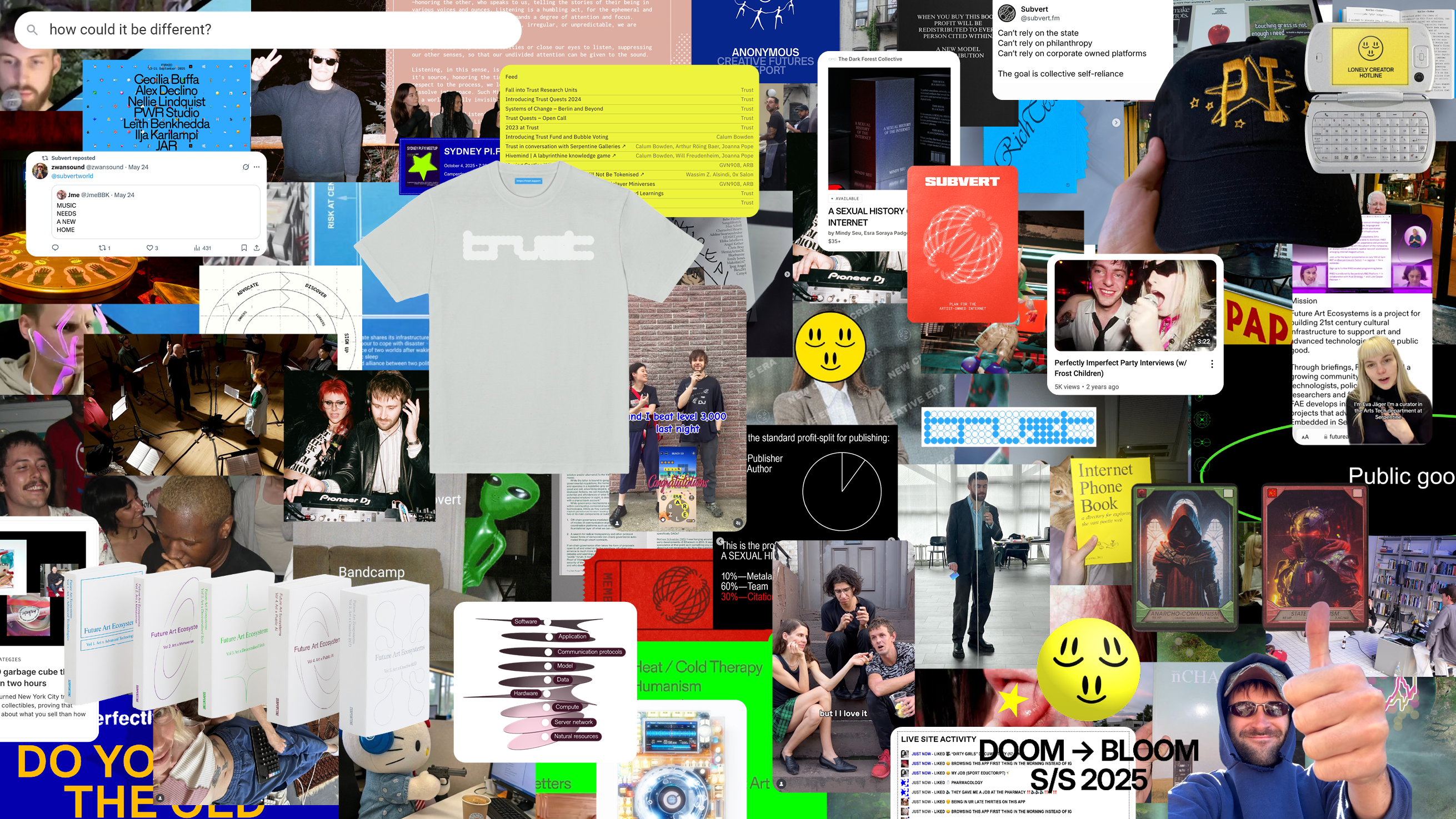
The Missing Building Blocks of the Web
At a time when millions are losing trust in the the web’s biggest sites, it’s worth revisiting the idea that the web was supposed to be…

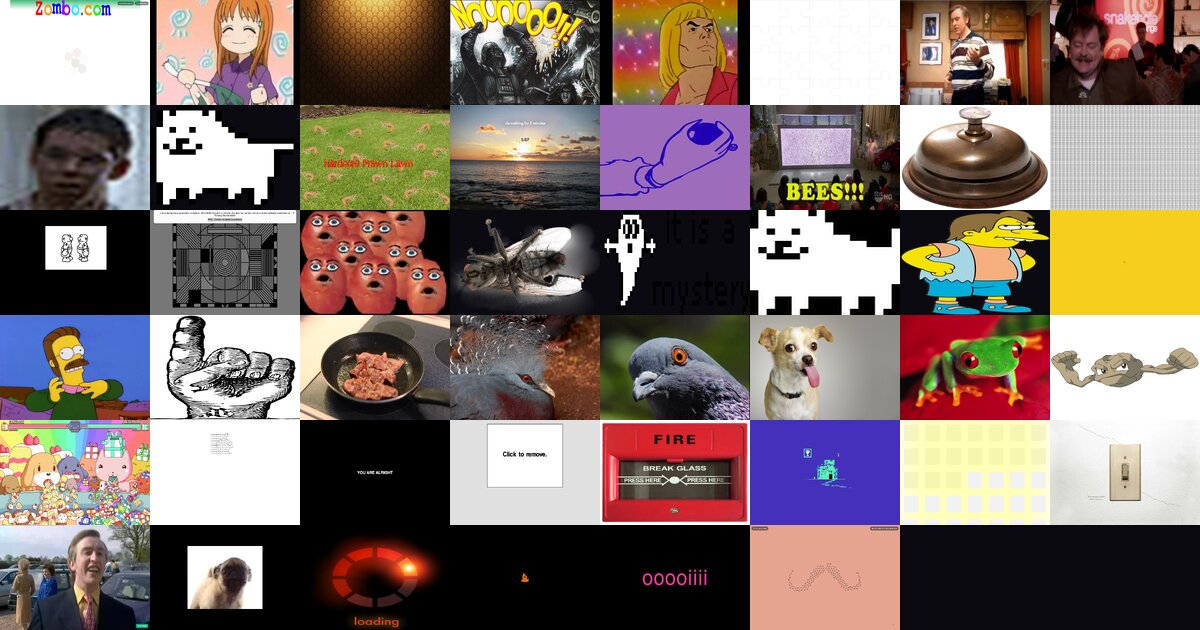
The Sites We Lost
A memorial to the weird little corners of the internet that lived on The Useless Web.
Part I: The Next Great Online Community
There’s a lack of innovation in community software. Let's dive into internet history, and get inspired!
Society Desperately Needs An Alternative Web
In a world of rampant technology, and what will be the future of our planet, it is inflicting harms in the very fabric of society who depends on it. Is it too late to steer its path towards an internet intended to free information, preserve our privacy and be accountable to the needs of humanity?

The Fathers of the Internet Revolution Urge Today’s Software Engineers to Reinvent the Web
Tim Berners-Lee, Vint Cerf, and other Internet pioneers issue a challenge on a day that just might go down in tech history

A Short History Of The Internet
I am not by any measure old unless you ask my nieces, but I remember when we had no internet and my niece's minds boggle at that, they think I must be ancient. How could you survive without the internet they asked me, in their minds the concept of no internet is pretty much science fiction and the thought of not having internet access scares them.
rip.so :: the digital graveyard
A memorial to the messengers, social networks, browsers and websites the internet forgot.

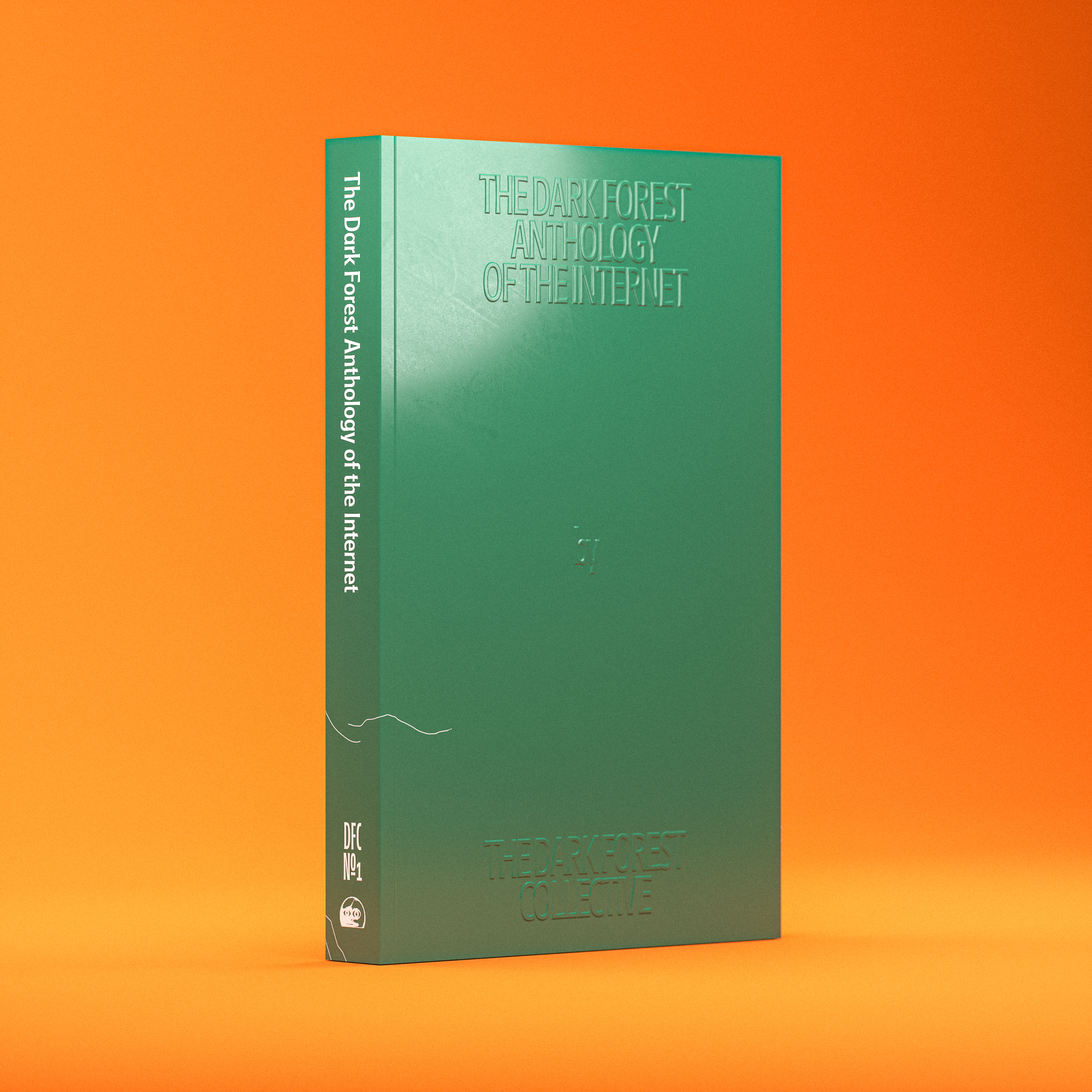
The Dark Forest Anthology of the Internet
A book about how to survive on the internet. It’s about the cozy web, the dark web, the dark forest, the clear net, the dark net, and a new social world emerging around us. This is the Dark Forest Anthology of the Internet.
The Internet is a Series of Webs
The fate of the open web is inextricable from the other ways our world is in crisis. What can we do about it?
Long Live the Web: A Call for Continued Open Standards and Neutrality
The Web is critical not merely to the digital revolution but to our continued prosperity—and even our liberty. Like democracy itself, it needs defending

The one and future internet
The internet has become inextricably entangled into our economies, cultural and social lives. We stand on the brink of the next technological revolution, in which the internet of things transforms ...

We Need To Rewild The Internet
The internet has become an extractive and fragile monoculture. But we can revitalize it using lessons learned by ecologists.
