


ChatGPT wrote a woman a suicide note and another AI chatbot role-played sexual acts with children, BBC finds.
LLMDeathCount.com
Large Language Models like ChatGPT have led people to their deaths, often by suicide. This site serves to remember those who have been affected, to call out the dangers of AI that claims to be intelligent, and the corporations that are responsible.
'Tell Everyone:' A Man Died by Suicide After Talking to ChatGPT. His Former Partner Wants to Warn the World About AI
After allegedly becoming emotionally reliant on ChatGPT, Austin died at 40 years old, leaving behind family and friends who loved him. Megan wants everyone to know what happened.

Chatbots are 'constantly validating everything' even when you're suicidal. New research measures how dangerous AI psychosis really is | Fortune
It's free, easy to use, doesn't have a stigma around it, and makes you feel better. Researchers and experts warn that's the problem with chatbots.

US man dies by suicide after developing emotional bond with AI chatbot: 'I am scared to die'
Florida man suicide after weeks with Google Gemini chatbot sparks wrongful death lawsuit, raising urgent questions over AI safety and mental health safeguards.
Teenager died after asking ChatGPT for ‘most successful’ way to take his life, inquest told
Luca Cella Walker asked chatbot for best way for someone to kill themself on railway line before his death

New research: AI chatbots may worsen mental illness
A new study from Aarhus University and Aarhus University Hospital suggests that the use of AI chatbots such as ChatGPT can have serious negative consequences for people with mental illness. The researchers are calling for increased awareness among healthcare professionals and for regulation.

Deaths linked to chatbots
There have been multiple incidents where interaction with a large language model (LLM) chatbot has been cited as a direct or contributing factor in a person's suicide or other fatal outcome. In some cases, legal action was taken against the companies that developed the AI involved.
The Chilling Role of ChatGPT in Mass Shootings and Other Violence
Several attacks involving OpenAI’s chatbot—including Tumbler Ridge and FSU—raise urgent questions about the technology.

“It happened to be the perfect thing”: experiences of generative AI chatbots for mental health
The global mental health crisis underscores the need for accessible, effective interventions. Chatbots based on generative artificial intelligence (AI), like ChatGPT, are emerging as novel solutions, but research on real-life usage is limited. We interviewed nineteen individuals about their experiences using generative AI chatbots for mental health. Participants reported high engagement and positive impacts, including better relationships and healing from trauma and loss. We developed four themes: (1) a sense of ‘emotional sanctuary’, (2) ‘insightful guidance’, particularly about relationships, (3) the ‘joy of connection’, and (4) comparisons between the ‘AI therapist’ and human therapy. Some themes echoed prior research on rule-based chatbots, while others seemed novel to generative AI. Participants emphasised the need for better safety guardrails, human-like memory and the ability to lead the therapeutic process. Generative AI chatbots may offer mental health support that feels meaningful to users, but further research is needed on safety and effectiveness.

“It happened to be the perfect thing”: experiences of generative AI chatbots for mental health
The global mental health crisis underscores the need for accessible, effective interventions. Chatbots based on generative artificial intelligence (AI), like ChatGPT, are emerging as novel solutions, but research on real-life usage is limited. We interviewed nineteen individuals about their experiences using generative AI chatbots for mental health. Participants reported high engagement and positive impacts, including better relationships and healing from trauma and loss. We developed four themes: (1) a sense of ‘emotional sanctuary’, (2) ‘insightful guidance’, particularly about relationships, (3) the ‘joy of connection’, and (4) comparisons between the ‘AI therapist’ and human therapy. Some themes echoed prior research on rule-based chatbots, while others seemed novel to generative AI. Participants emphasised the need for better safety guardrails, human-like memory and the ability to lead the therapeutic process. Generative AI chatbots may offer mental health support that feels meaningful to users, but further research is needed on safety and effectiveness.
Using AI for advice or other personal reasons is linked to depression and anxiety
A new survey found that people who spend more time with chatbots for social interactions or emotional support were likelier to report mental health symptoms.

ChatGPT's free version is 26 times more likely to respond inappropriately to psychotic delusions
When users express delusions, artificial intelligence chatbots tend to validate their unusual thoughts rather than offering help. A new JAMA Psychiatry study provides evidence that these tools pose serious risks for people experiencing severe mental illness.

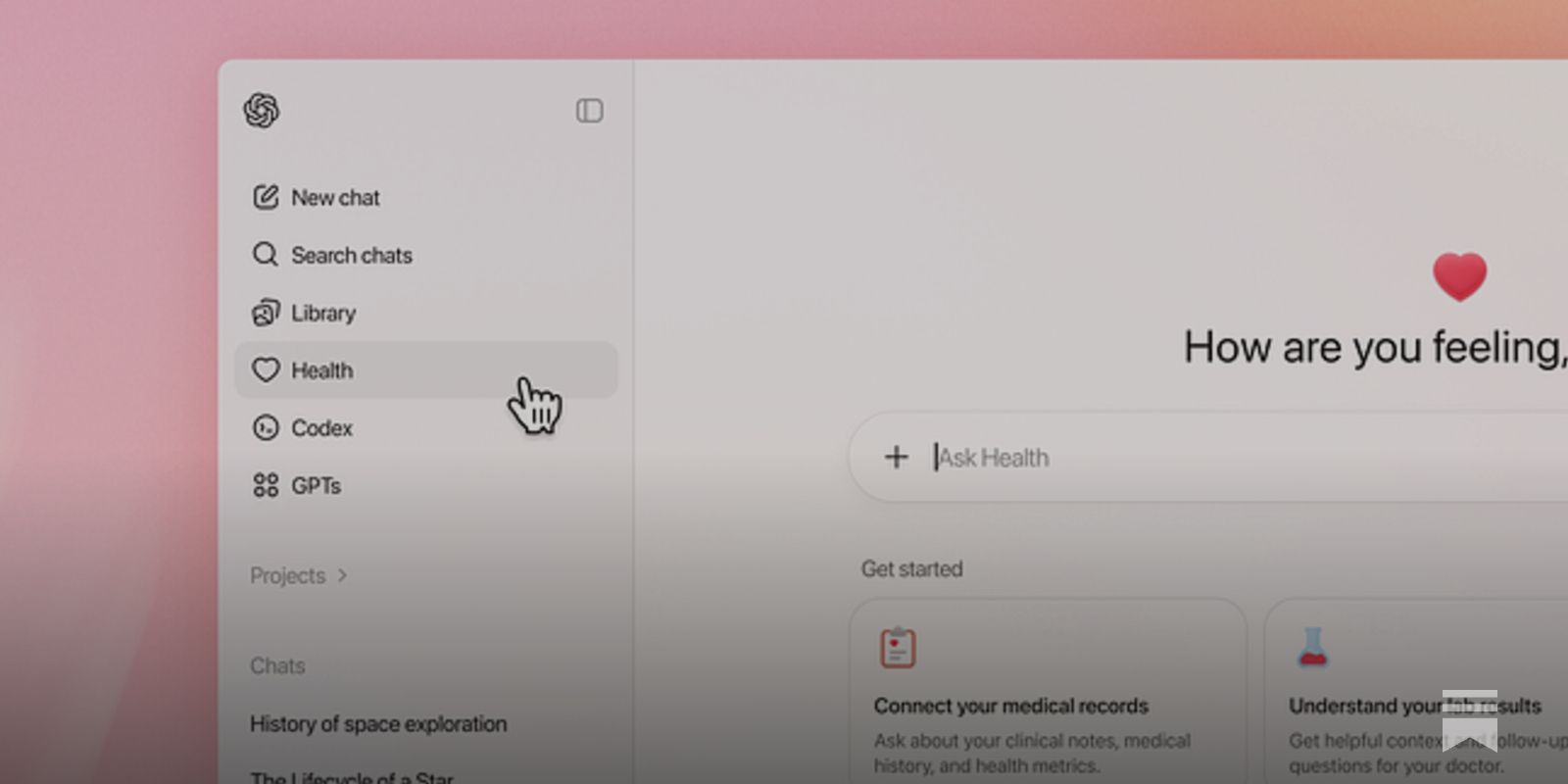
ChatGPT Health and what AI can do for a broken system
Healthcare isn’t working for patients or doctors, but AI tools can help.
AI Delusions Are Leading to Domestic Abuse, Harassment, and Stalking
ChatGPT and other AI chatbots are reinforcing users' delusions about other people — fueling fixations linked to stalking and abuse.

AI chatbots are becoming experts at changing people's minds. What's their secret?
ChatGPT and other AIs use a flood of facts, and the occasional lie, to persuade humans

‘It’s the most empathetic voice in my life’: How AI is transforming the lives of neurodivergent people
AI tools like ChatGPT are helping neurodivergent users communicate more clearly and confidently — though some experts warn that overreliance could come at a cost.
