


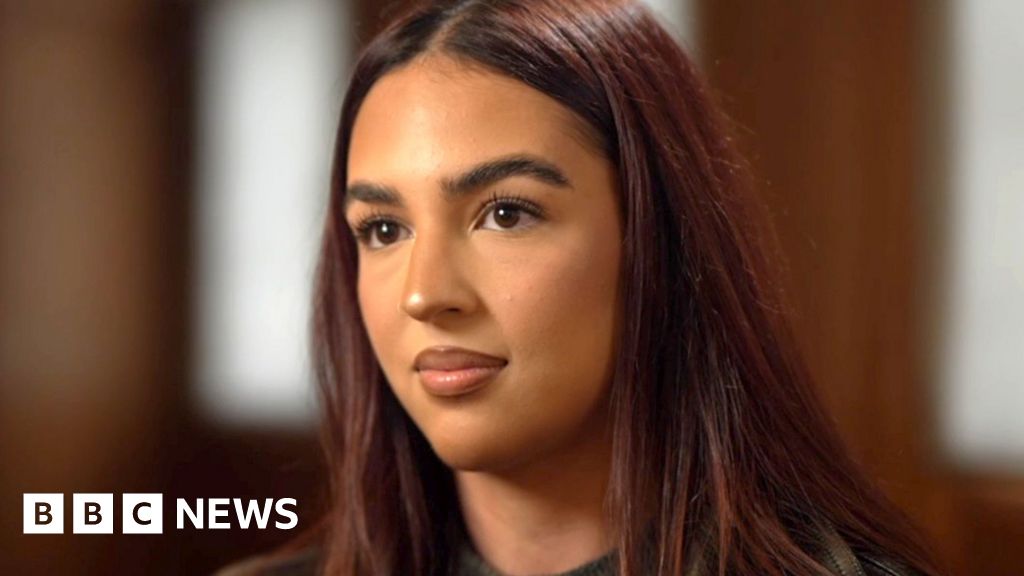
Footage of Oonagh was posted on social media where it attracted hundreds of sexual and derogatory comments.
Women filmed in secret for social media content - then harassed online
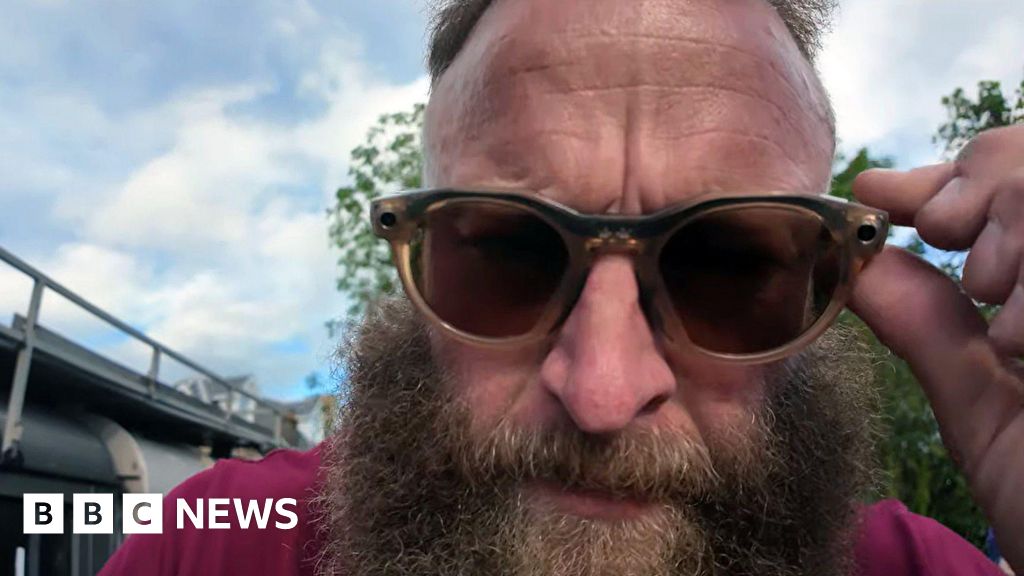
So-called manfluencers wearing smart glasses approach women and then post videos to TikTok and Instagram.
Harm Through the “#RizzCam”: Smart Glasses, Ambient Capture and Invisible Harassment
In online safety research, harassment is commonly understood as involving overt and unwanted acts that create a hostile environment for individuals or groups. Smart glasses, or wearable digital devices that are often indistinguishable from ordinary eyewear but can record video, audio and location data in real time, enable new forms of online harassment and gender-based harms that may not be recognised by current online safety or platform governance frameworks. Drawing on an interpretive content analysis of 350 point-of-view Instagram videos posted by individuals self-associated with the pick-up artistry (PUA) community, we examine how smart glasses can be used to harass women through what we call ambient capture. Ambient capture includes clandestine recording of people and social interactions within public, semi-private and private spaces. We argue this can constitute harassment when it is targeted at women and shared online without their consent. In our study, we found videos using ambient capture practices to harass women that had gone undetected by Instagram’s content moderation systems. These findings suggest online safety regimes and content moderation approaches should be assessed to ensure they account for the more invisible forms of harassment introduced by smart glasses and other wearable technologies.
"Imagine being this based": Guy says woman "assaulted" him by breaking his Meta AI glasses on the subway. The internet disagrees
Privacy fans are singing the praises of a woman accused of breaking a man's Meta AI glasses on the New York subway in October.

She Came Out of the Bathroom Naked, Employee Says
Bank details, sex and naked people who seem unaware they are being recorded. Behind Meta’s new smart glasses lies a hidden workforce, uneasy about peering into the most intimate parts of other people’s lives.

TikToker faces police probe over secret filming using Meta 'smart glasses'
The "content maker" published videos of encounters with young women and a female Sikh shop worker where he talked of a plot to "breed out the white race".
From Non-consensual Pornography to Image-based Sexual Abuse: Charting the Course of a Problem with Many Names
Every day, people’s most intimate moments are recorded, uploaded and circulated online without their consent. This gross invasion of privacy – commonly known as ‘revenge pornography’ – has become p...
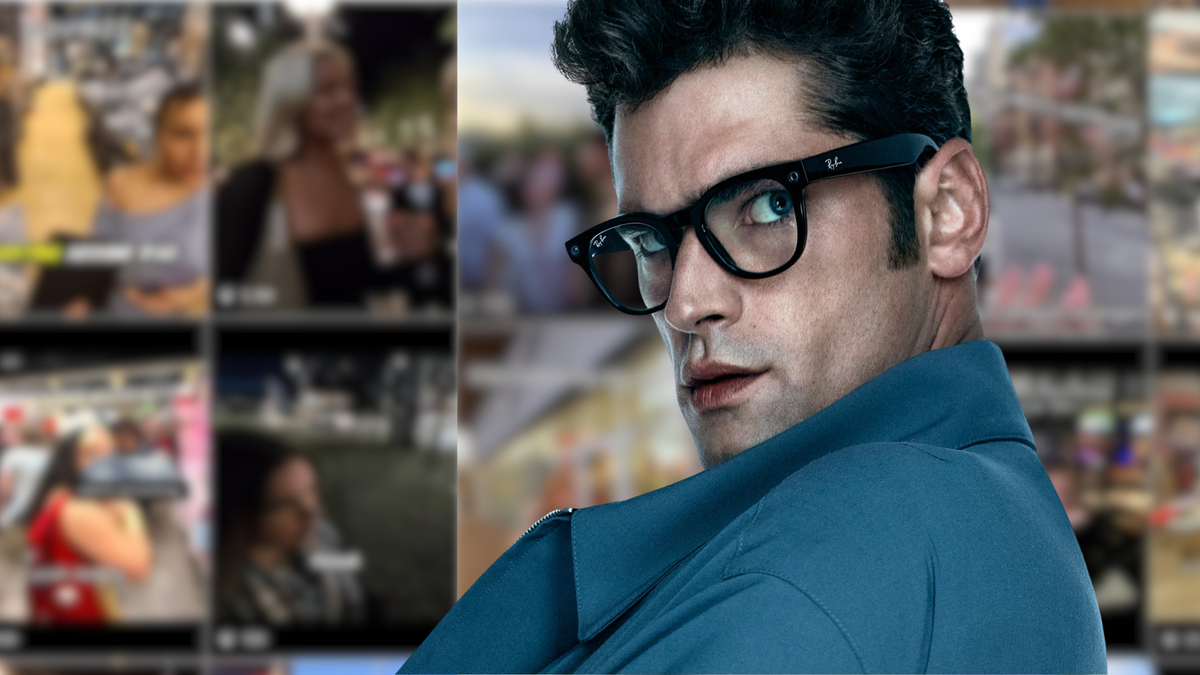
Researchers Show How Meta's 'Pervert Glasses' Are Used to Harass Women
A new study shows how pickup artist influencers use smart glasses to create content, and the connection between covert recording and harm.
How fake faces are being weaponized online | CNN Business
As an activist, Nandini Jammi has become accustomed to getting harassed online, often by faceless social media accounts. But this time was different: a menacing tweet was sent her way from an account with a profile picture of a woman with blonde hair and a beaming smile.

AI-Generated Taylor Swift Porn Went Viral on Twitter. Here's How It Got There
404 Media traced back the viral and abusive images of Taylor Swift to a specific Telegram community. That group sometimes uses Microsoft's AI tools.

Did someone wearing Meta Glasses film you today? Are you sure?
People say they’ve been secretly filmed in their own homes, at concerts and at work. Are the wildly popular smartglasses the final nail in the coffin of personal privacy?

Illegal, Immoral, and Mood-Altering
How Facebook and OkCupid Broke the Law When They Experimented on Users

Meta's Ray-Ban Glasses Users Film and Harass Massage Parlor Workers
“The shameless use of covert recording technology at massage parlours to gain likes, attention, and online notoriety is both disgusting and dangerous.”

Meta Ran Ads That Contained AI-Generated Child Sexual Abuse Imagery
More than 50 offending image and video ads were published across Facebook, Instagram, Messenger, or Threads, according to Meta’s ad library data. Some ran as recently as this week.

Discerning Audiences Through Like Buttons · Issue 6.1, Winter 2024
Column Editor’s Note: The ‘like button’ is a ubiquitous and infamous feature of social media platforms. ‘Likes’ ostensibly allow users to interact and engage with one another, but platform developers hope that data generated by users’ likes allows them to model, predict and even manipulate both individual and collective affective states. This Mining the Past column by communication scholar Carina Albrecht explores the history of the like button from “Little Annie,” developed at CBS in the mid-twentieth century, to the Cambridge Analytica scandal. Throughout this history, researchers and tech developers hoped to make ‘subjectivities’—emotions, preferences, personalities, political orientations—into ‘objectivites’; they sought to turn inner worlds into profitable data. Albrecht’s history reveals that the like button is best understood not as a passive recorder of preexisting affect and sentiment, but rather as a data technology that generated the emotive effects the button claimed to measure.
