


Cassava is very dangerous if not prepared properly, so how did people develop and share that knowledge?
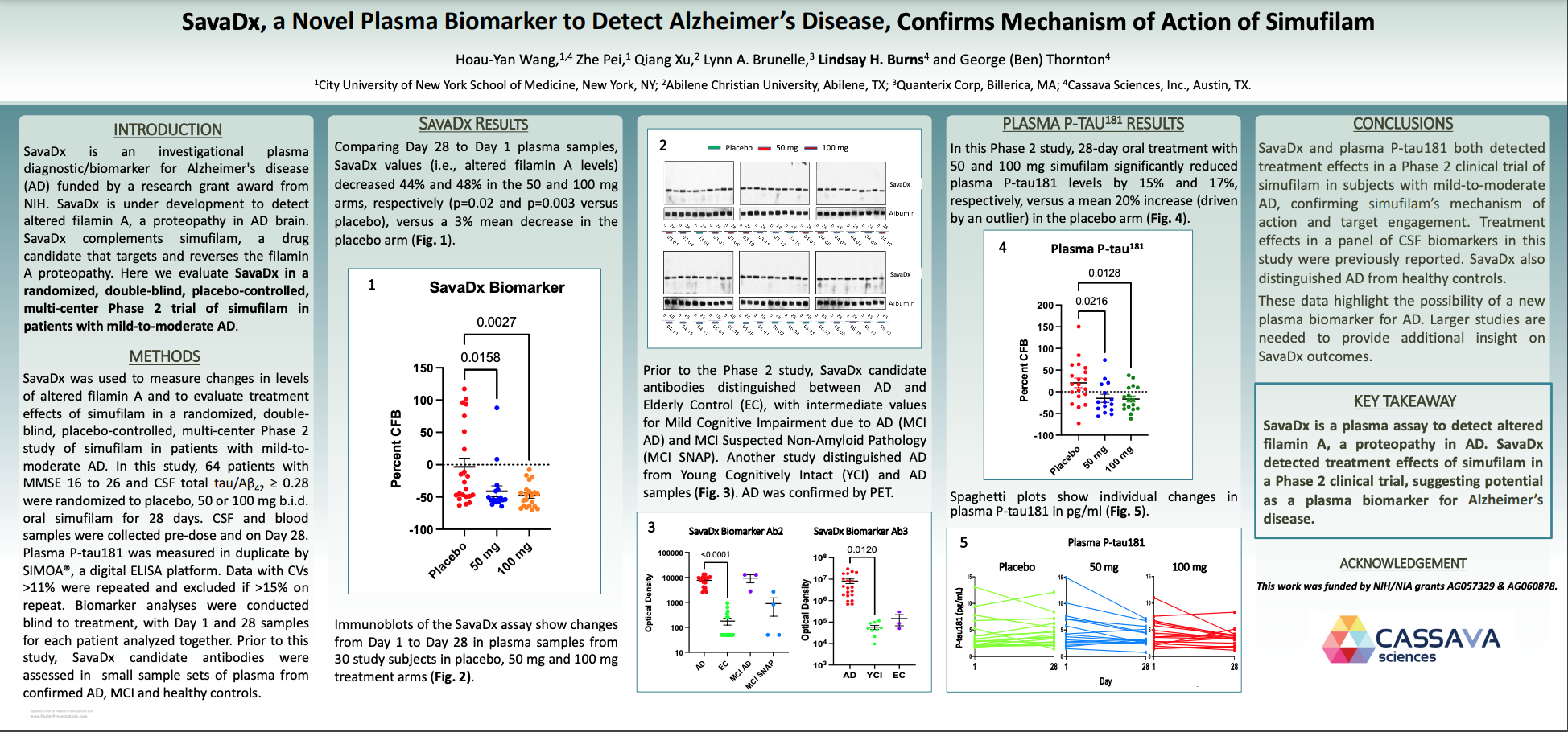
Cassava Sciences: Of Posters and Spaghetti Plots
In a previous blog post, I took a look at Western blots in papers from the lab of Dr. Hoau-Yan Wang at City University of New York (CUNY), mostly related to Cassava Sciences (Nasdaq: $SAVA), i…
The evolution of cultural adaptations: Fijian food taboos protect against dangerous marine toxins
The application of evolutionary theory to understanding the origins of our species' capacities for social learning has generated key insights into cultural evolution. By focusing on how our psychology has evolved to adaptively extract beliefs and practices by observing others, theorists have hypothesized how social learning can, over generations, give rise to culturally evolved adaptations. While much field research documents the subtle ways in which culturally transmitted beliefs and practices adapt people to their local environments, and much experimental work reveals the predicted patterns of social learning, little research connects real-world adaptive cultural traits to the patterns of transmission predicted by these theories. Addressing this gap, we show how food taboos for pregnant and lactating women in Fiji selectively target the most toxic marine species, effectively reducing a woman's chances of fish poisoning by 30 per cent during pregnancy and 60 per cent during breastfeeding. We further analyse how these taboos are transmitted, showing support for cultural evolutionary models that combine familial transmission with selective learning from locally prestigious individuals. In addition, we explore how particular aspects of human cognitive processes increase the frequency of some non-adaptive taboos. This case demonstrates how evolutionary theory can be deployed to explain both adaptive and non-adaptive behavioural patterns.
A Feast of Poison
How would I go if I tried to convince you that most food contains poison? You might nod and agree but I am not talking about processed junk laced with manmade chemicals, but rather this is all abou…

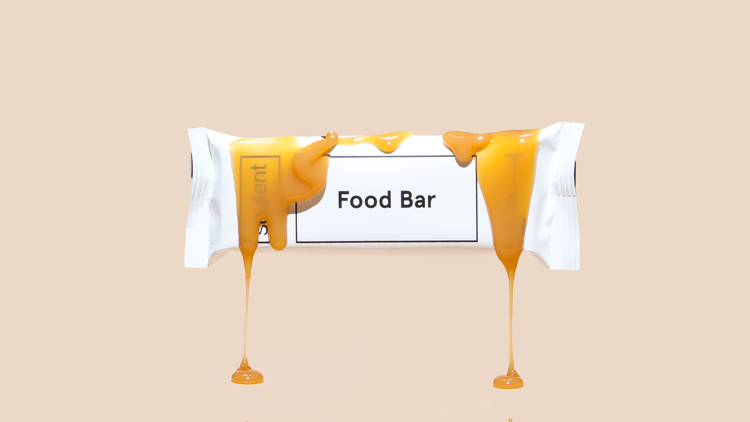
People get “violently ill” from Soylent bars; company stumped
Online forums link bars to food poisoning, but maker suggests soy intolerance.
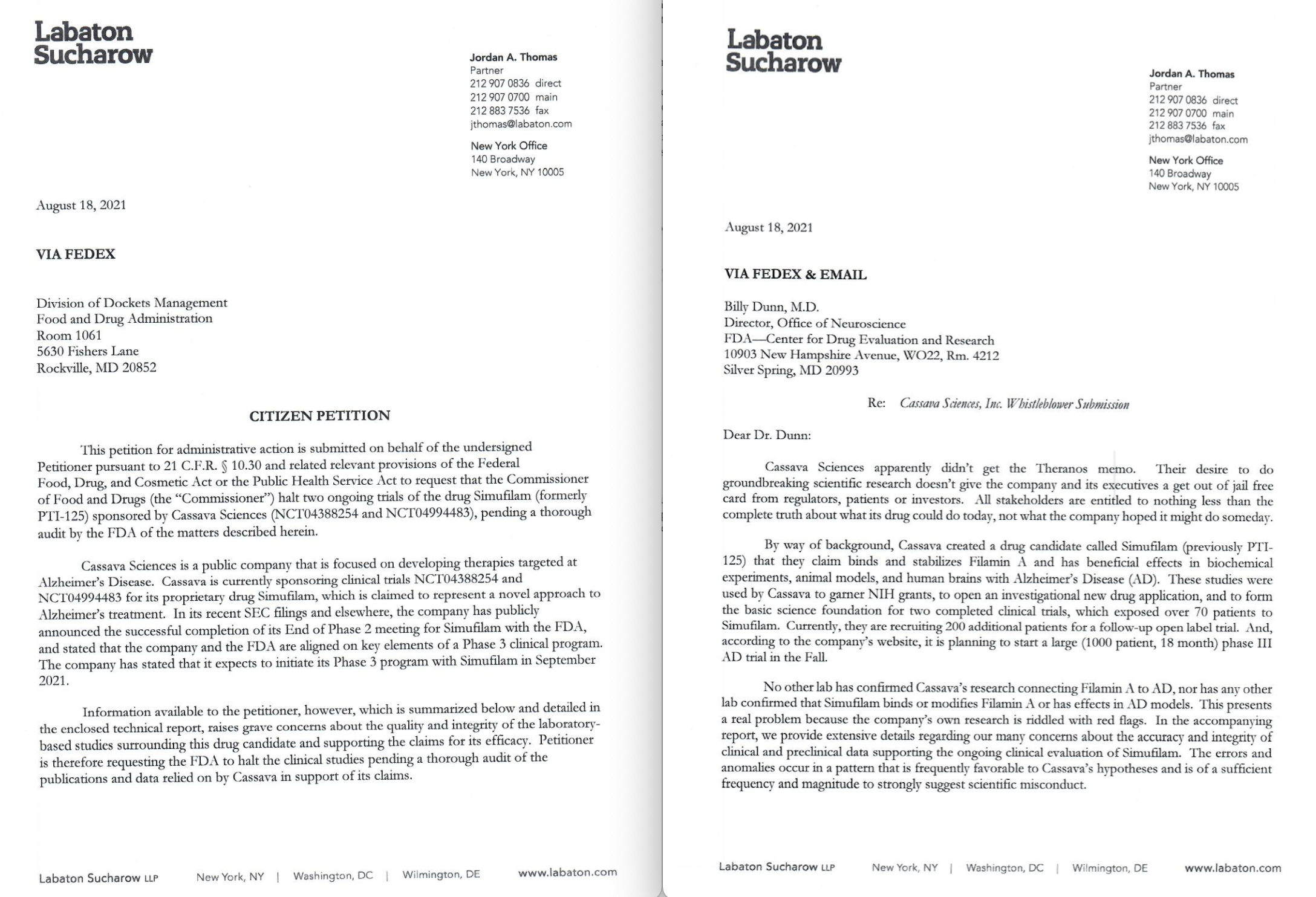
Cassava Sciences: Of stocks and blots
A group of anonymous persons filed a Statement of Concern with the FDA regarding the integrity of research papers about Simufilam, an Alzheimer’s Disease treatment drug candidate developed by…
Ways people trying to do good accidentally make things worse, and how to avoid them
Even when you try to do good, you can end up doing accidental harm. But there are ways you can minimise the risks.

Epistemic Vigilance
Humans massively depend on communication with others, but this leaves them open to the risk of being accidentally or intentionally misinformed. To ensure that, despite this risk, communication remain...

How the global banana industry is killing the world’s favorite fruit
During harvest last year, banana farmers in Jordan and Mozambique made a chilling discovery. Their plants were no longer bearing the soft, creamy fruits they’d been growing for decades. When they cut open the roots of their banana plants, they saw something that looked like this:

Can you hurt yourself eating chilli peppers?
Many of us love the burning sensation from hot chillies. But are they doing us any harm? Veronique Greenwood investigates.

Coconut oil is 'pure poison', says Harvard professor
It is feted as a healthy choice but the oil, which is high in saturated fat, is ‘one of the worst things you can eat’ says expert

Coffee linked to lower risk of death

Meet the Lady Carnivores Taking Over TikTok With Butter and Raw Meat
Some women say the carnivore diet has saved their lives — but doctors warn could be harmful.

Why animals eat psychoactive plants
Johann Hari, author of Chasing the Scream: The First and Last Days of the War on Drugs, learns about drunk elephants, the stoned water buffalo, and the grieving mongoose.

In a First, an Orangutan Healed His Own Wound Using a Known Medicinal Plant
The primate named Rakus chewed up yellow root and applied it to an open facial wound, closing the sore within days

Paranoia: A Beginner's Guide — LessWrong
People sometimes make mistakes. (Citation Needed) …
Beneficial Plant Research Association
Medicinal, useful, and nutritious plants hold the potential to restore both human health and ecological balance.
