

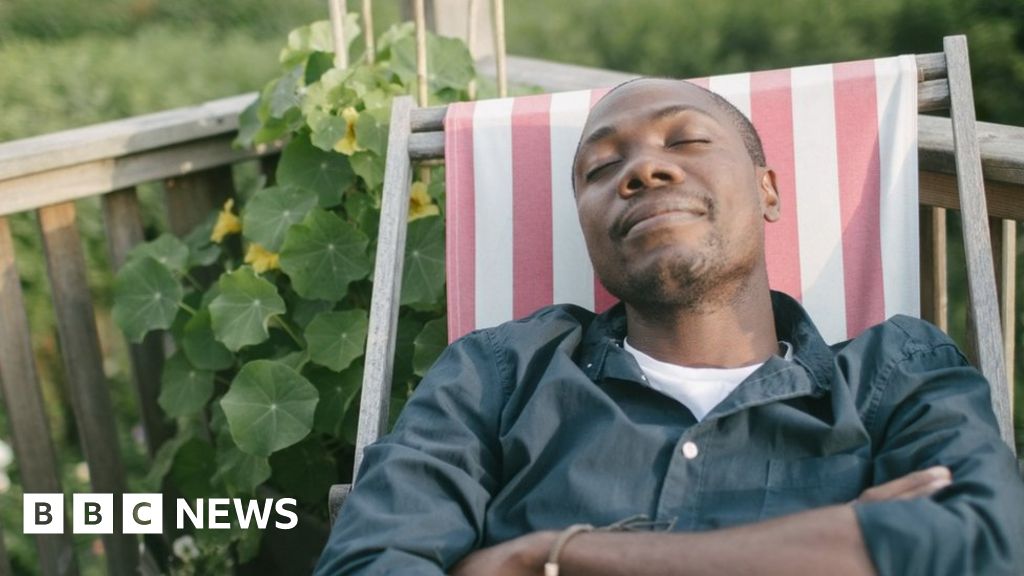
Those prone to napping had brains that looked up to six years younger than everyone else.
Regular naps are 'key to learning'
Regular and lengthy naps are the key to memory and learning in early life, say scientists.

Why Seven Hours of Sleep Might Be Better Than Eight
Several studies have found that seven hours a night is the best amount of sleep in order to function the next day—not eight, as was long believed.

Who, what, why: Is surviving on 20-minute naps bad for you?
The Solar Impulse is about to set off from China to Hawaii. But its pilot only gets 20 minutes' sleep at a time.

<em>Journal of Sleep Research</em> | ESRS Journal | Wiley Online Library
Napping is a cross-cultural phenomenon which occurs across the lifespan. People vary widely in the frequency with which they nap as well as the improvements in alertness and well-being experienced. T...

Down From the Trees, Humans Finally Got a Decent Night’s Sleep (Published 2015)
Humans sleep more deeply but for shorter periods than other primates’ habits, a study finds. The pattern may have helped humans evolve more powerful brains.

Opinion | Rethinking Sleep (Published 2012)
It’s not the quantity of sleep that restores and refreshes, but the quality.

The myth of the eight-hour sleep
Sleeping in one eight-hour chunk is a very recent phenomenon, and lying awake at night could be good for you, according to scientists and historians.

The 17th Century Guide to Sleep
Despite the modern obsession with a good night’s rest, more of us are sleeping less. Perhaps we should pay attention to the advice of early modern doctors.

Sleep as a Competitive Advantage
Too many of us live by the myth that one less hour of sleep gives us one more hour of productivity, Tony Schwartz writes in the Life@Work column. In reality, lost sleep not only leaves us more fatigued, but also takes a toll on our cognitive capacity.

Sleep as a Competitive Advantage
Too many of us live by the myth that one less hour of sleep gives us one more hour of productivity, Tony Schwartz writes in the Life@Work column. In reality, lost sleep not only leaves us more fatigued, but also takes a toll on our cognitive capacity.
Sleep's memory role discovered
Scientists in China and the US use advanced microscopy to discover exactly how a good night's sleep improves learning and memory.

'Sleep should be prescribed': what those late nights out could be costing you
Leading neuroscientist Matthew Walker on why sleep deprivation is increasing our risk of cancer, heart attack and Alzheimer’s – and what you can do about it

What Did Ancient Humans Do at Night?
Creatine found to improve cognitive performance during sleep deprivation | Hacker News
Although, I could see this being beneficial in fields where labour is scarce (e.g.: the medical field), I fear it could lend towards a "sleep deprivation is okay, just take creatine" rationale in other fields.
Why We Sleep, and Why We Often Can’t
Does our contemporary obsession with sleep obscure what makes it special in the first place?

Could getting less deep sleep hike your risk of dementia later in life? | CBC News
A new study has found a decrease in deep sleep was associated with a higher risk of dementia. A growing body of research points to clear links between deep sleep and memory formation, but also the possibility of dire consequences when someone’s sleep quality erodes over time.
