


Google+ is the latest social network to demand people's real names. But why do they need them?
Undocumented Feature
And it doesn't pop up a box every time asking you to use your real name. In fact, there's no way to set your name at all. You just have to keep reminding people who you are.

Real Names and Responsible Speech: The Cases of South Korea, China, and Facebook — Yale Journal of International Affairs
By David Caragliano Human psychology and market incentives make real name registration an unpalatable proposition both to netizens and to online service providers charged with implementing the policy. In time, this article argues, internet policy makers will conclude that real nam

Real-Name Policies: The War Against Pseudonymity
Real-name policies have existed for over a decade, but these problems have become exponentially harmful in today's world. It's time to fight back against this unsafe and discriminatory privacy-invasive practice.

Online anonymity: study found ‘stable pseudonyms’ created a more civil environment than real user names
A higher quality discussion emerged among commenters allowed to use personas instead of their real names.
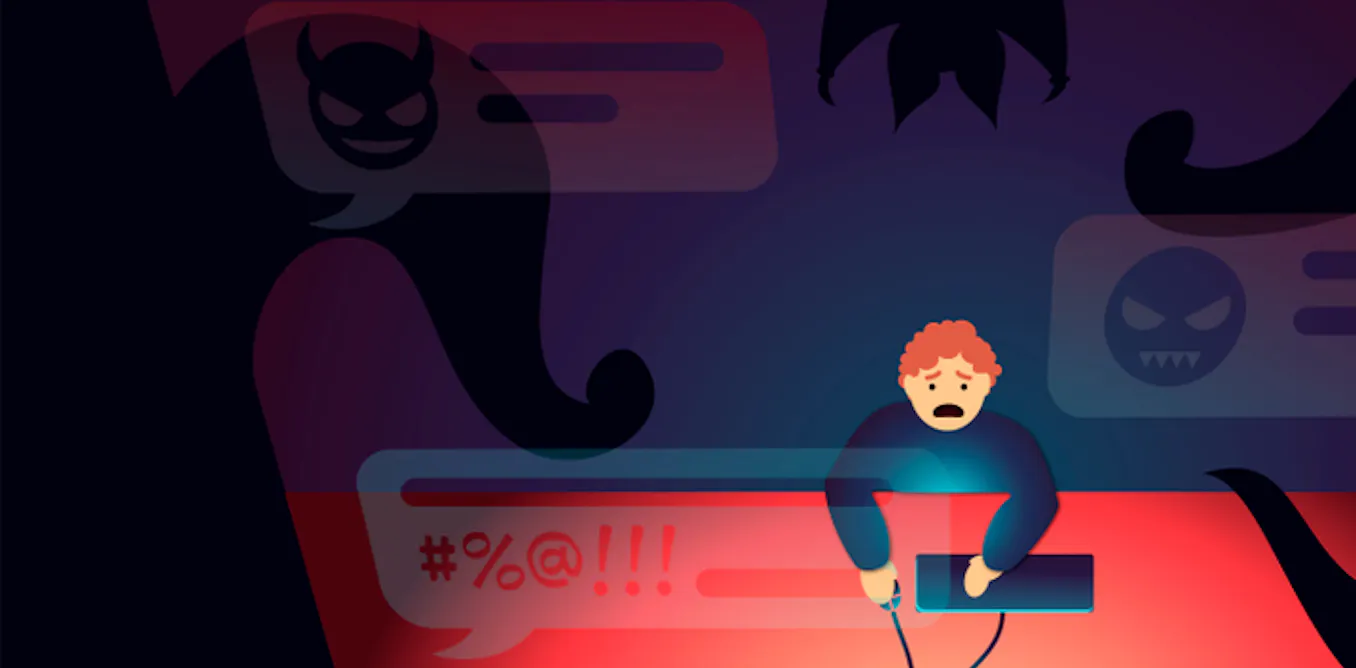
Online anonymity: study found ‘stable pseudonyms’ created a more civil environment than real user names
A higher quality discussion emerged among commenters allowed to use personas instead of their real names.
Anonymity, pseudonymity, and the agency of online identity: Examining the social practices of r/Gonewild
A debate is currently raging regarding the value of anonymity online. On one side of the debate is Facebook, the world’s largest social network site. Facebook demands that people use their real names and is one of the leading forces behind the push towards a “real name” Internet. On the other side of the debate are scholars such as danah boyd and Bernie Hogan and sites such as 4chan and Reddit that view anonymity and pseudonymity as important to how people construct identity online. While much has been written about the benefits of anonymity and pseudonymity, there is a lack of published research examining specific practices enabled by pseudonyms. This paper provides a detailed account of the behaviors enabled through pseudonymous identity construction through a case study of the subreddit r/gonewild. The main contribution of the article is to provide a specific account of the costs of a totalizing embrace of the “real name” Internet.
Anonymity, pseudonymity, and the agency of online identity: Examining the social practices of r/Gonewild
A debate is currently raging regarding the value of anonymity online. On one side of the debate is Facebook, the world’s largest social network site. Facebook demands that people use their real names and is one of the leading forces behind the push towards a “real name” Internet. On the other side of the debate are scholars such as danah boyd and Bernie Hogan and sites such as 4chan and Reddit that view anonymity and pseudonymity as important to how people construct identity online. While much has been written about the benefits of anonymity and pseudonymity, there is a lack of published research examining specific practices enabled by pseudonyms. This paper provides a detailed account of the behaviors enabled through pseudonymous identity construction through a case study of the subreddit r/gonewild. The main contribution of the article is to provide a specific account of the costs of a totalizing embrace of the “real name” Internet.
Katika Kühnreich (@Katika@chaos.social)
Attached: 1 image #SocialMedia of #realnameregistration , oh sorry, they call it real #humans , that advertises with " #AI " #slop #wsocial is more than problematic And already has #bots crawling it's #network Now they show that they are problematic concerning #aesthetics as well & advertise with tasteless #aislop @bildoperationen@tldr.nettime.org #realnameregistration is highly dangerous & if the company that wants to have your most private data can't save there net from bots they're not very trustworthy, are they? #tech

We need a new username system
What do Twitter, YouTube, Pinterest, Instagram and a gazillion other digital platforms have in common? They all treat usernames like a baby treats a diaper instead of the precious and lucrative resource they are.
What Happened to Google+? Why the Social Network Shut Down | EM360Tech
This article explores what happened to Google+, explaining why Google's infamous social Circles never took off in the golden age of online social media.
Walrus (@walrus.northsky.social)
Whats your motive in making data like nationality and approximate date of birth public? It seems like users have/had the option to not have their full name made public, do users have the option to hide their nationality or approximate date of birth as well? If not, then why?

Katika Kühnreich (@Katika@chaos.social)
@BerserkEd_PT@masto.pt @_elena@mastodon.social @aral@mastodon.ar.al One #problem with #realnameregistration is that it can be used as an #ID for governmental services as well That is what you could call a #thecirclescenario Another problem is the #superapp In #China it became nearly impossible to exist without the #微信 #app , known as #WeChat internationally If you analyse what #AnnaZeiter said in interviews there are possibilities they want #WSocial to become a #superapp I'll write it in more detail, in the future, I promise…
Google to close Google+ after 7 years: A look back at the impact it once had on Google search
This should come as no surprise, Google is closing down Google+ over lack of use and security issues.

Name Checker - Social Media Username Checker
Check the availability of your desired Brand Name through our social media username checker (name checker). Claim your online identity across Social Media!
W Social (@wsocial.eu)
1/5 We’ve upgraded W’s verified badge to give you more context about the person behind the keyboard. Real humans. More trust. Your real name stays optional.

Privacy company called privacy.com uses Persona for identity verification You can't make this shit up

Privacy.com Virtual Cards – Secure, Temporary Cards
privacy.com