


A new US study says that several low-cost technologies can be deployed right now to limit global warming.
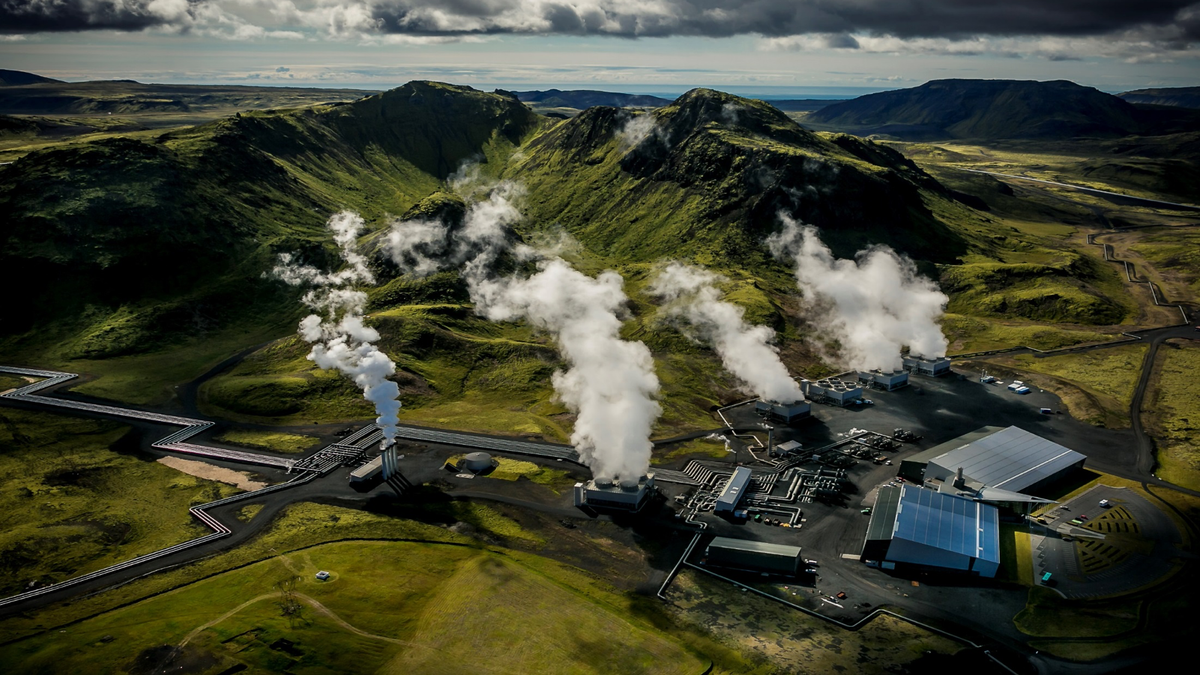
Carbon Removal Technologies | YC Request for Startups
Climate change presents an existential threat to humanity. We are already seeing the effects and they are showing up faster and stronger than anticipated. A report by United Nations' scientific panel on climate change released this month expects the atmosphere-on our current trajectory-to warm up by 1.5 degrees Celsius by 2040. Even the effects of a 0.5 degrees increase will have far-reaching consequences. This research indicates that we are already past the tipping point; even if we significantly reduced emissions, climate change would continue (Source IPCC summary C3 section). We believe there's still time to make a change if we look both to renewal energy and CO2 removal.

Scientists Find Way To Make Mineral Which Can Remove CO2 From Atmosphere - Slashdot
An anonymous reader quotes a report from Phys.Org: Scientists have found a rapid way of producing magnesite, a mineral which stores carbon dioxide. If this can be developed to an industrial scale, it opens the door to removing CO2 from the atmosphere for long-term storage, thus countering the global...

How to solve climate change and make life more awesome
We already have all the tools we need to fix climate change. We just need to use them.

Carbon Captured
How the fossil fuel industry turned the plan to solve climate change into a plan to save itself

The Climate Solution Actually Adding Millions of Tons of CO2 Into the Atmosphere — ProPublica
New research shows that California’s climate policy created up to 39 million carbon credits that aren’t achieving real carbon savings. But companies can buy these forest offsets to justify polluting more anyway.

Vesta / Home
Harnessing the power of the oceans to remove excess CO₂ from the atmosphere.

Carbon dioxide removal: the tech that is polarising climate science
For some, CDR is crucial to staying below 1.5C. Others say it should not even be on the table. Why is it so controversial?
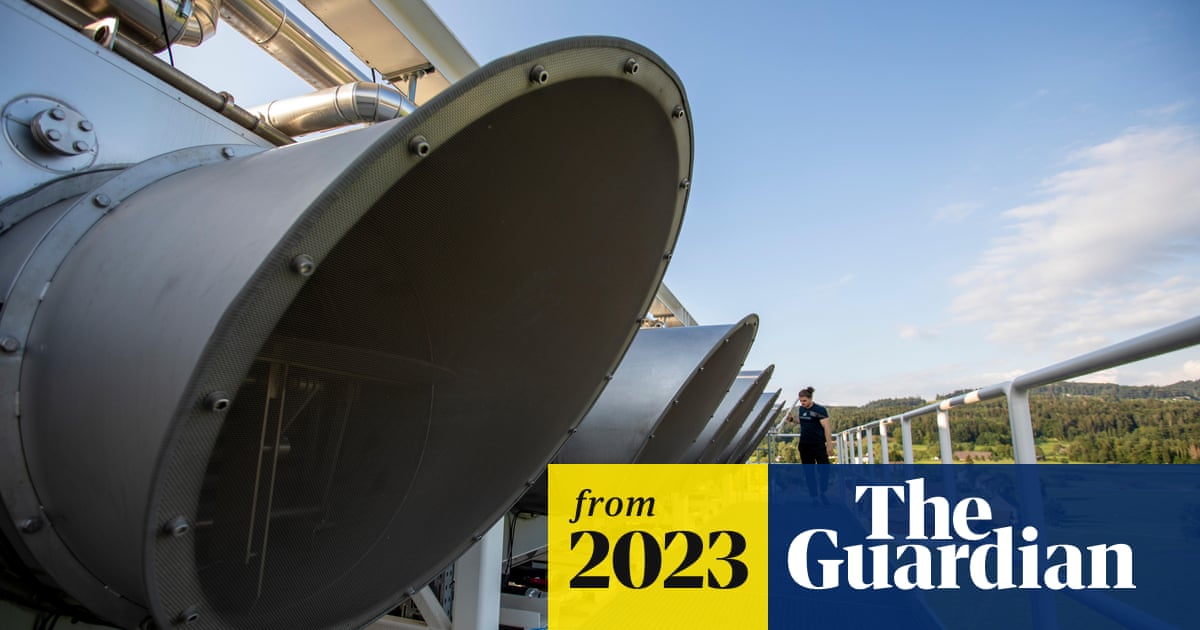
Eight things the world must do to avoid the worst of climate change
Latest IPCC report highlights key measures countries must take to avoid climate catastrophe
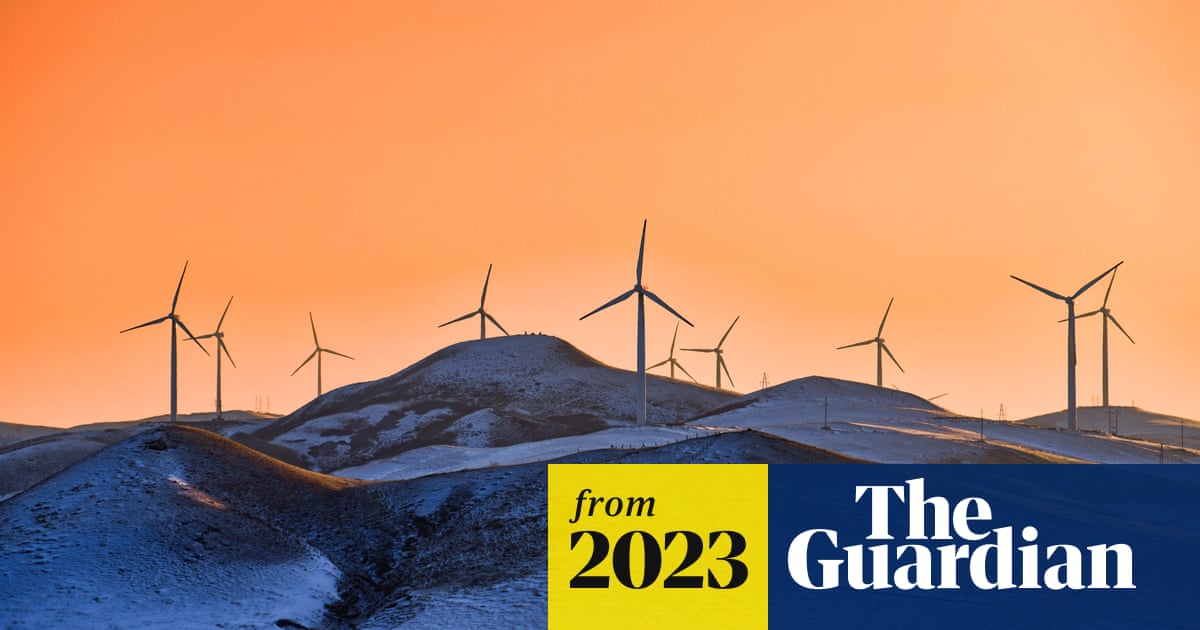
Climate change
Present-day climate change includes both global warming—the ongoing increase in global average temperature—and its wider effects on Earth's climate system. Climate change in a broader sense also includes previous long-term changes to Earth's climate. The modern-day rise in global temperatures is driven by human activities, especially fossil fuel burning since the Industrial Revolution. Fossil fuel use, deforestation, and some agricultural and industrial practices release greenhouse gases. These gases absorb some of the heat that the Earth radiates after it warms from sunlight, warming the lower atmosphere. Earth's atmosphere now has roughly 50% more carbon dioxide, the main gas driving global warming, than it did at the end of the pre-industrial era, reaching levels not seen for millions of years.

Big-city problems, small-farm solutions: 'Carbon Zero,' chapter 6
Reorganizing our food system provides an opportunity to ratchet down our cities' carbon emissions while also reconnecting them to the natural world.

Keeping the world below 2°C of warming needs tech we don’t have
European national science academies report warns tepid emission cuts not enough.
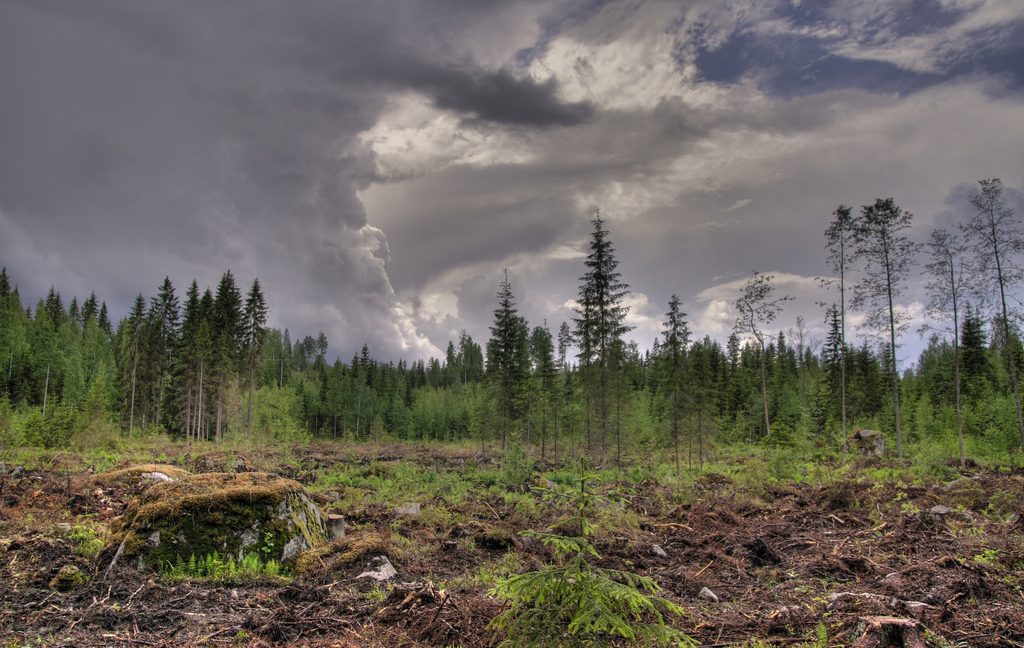
Slashing Methane Emissions Could Be Crucial For Fighting Climate Change, UN Report Warns - Slashdot
The New York Times reports: A major United Nations report will declare that slashing emissions of methane, the main component of natural gas, is far more vital than previously thought... It also says that — unless there is significant deployment of unproven technologies capable of pulling gr...
Why unilateral decarbonisation can pay for itself
Anthropogenic greenhouse gas emissions are rapidly warming our planet, with potentially severe economic, social, and health consequences. Conventional estimates of climate damages suggest that while coordinated global efforts are desirable, unilateral action is rarely cost-effective due to a classic free-rider problem. Why should a country bear the costs of reducing emissions when the benefits are shared globally? This column re-evaluates this view in light of new climate damage estimates based on global temperature variation, showing that the economic case for unilateral decarbonisation is far stronger than previously thought.

Heimdal pulls CO2 and cement-making materials out of seawater using renewable energy | TechCrunch
One of the consequences of rising CO2 levels in our atmosphere is that levels also rise proportionately in the ocean, harming wildlife and changing

