


The biohacker movement wants to cure disease without the help of government or big companies
Gene therapy has made some recent progress—is it enough?
Despite a bumpy history, through work and trust, gene therapy may have a future.
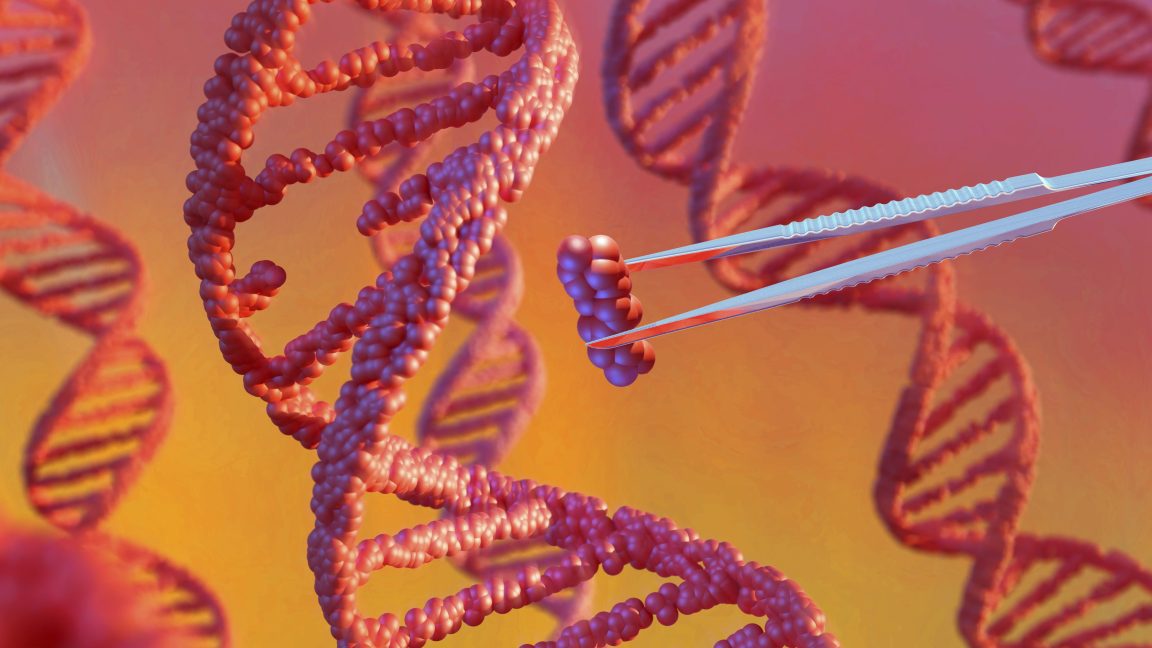
23andMe Is Terrifying but Not for the Reasons the FDA Thinks
This genetic testing company’s real goal is to hoard your personal data
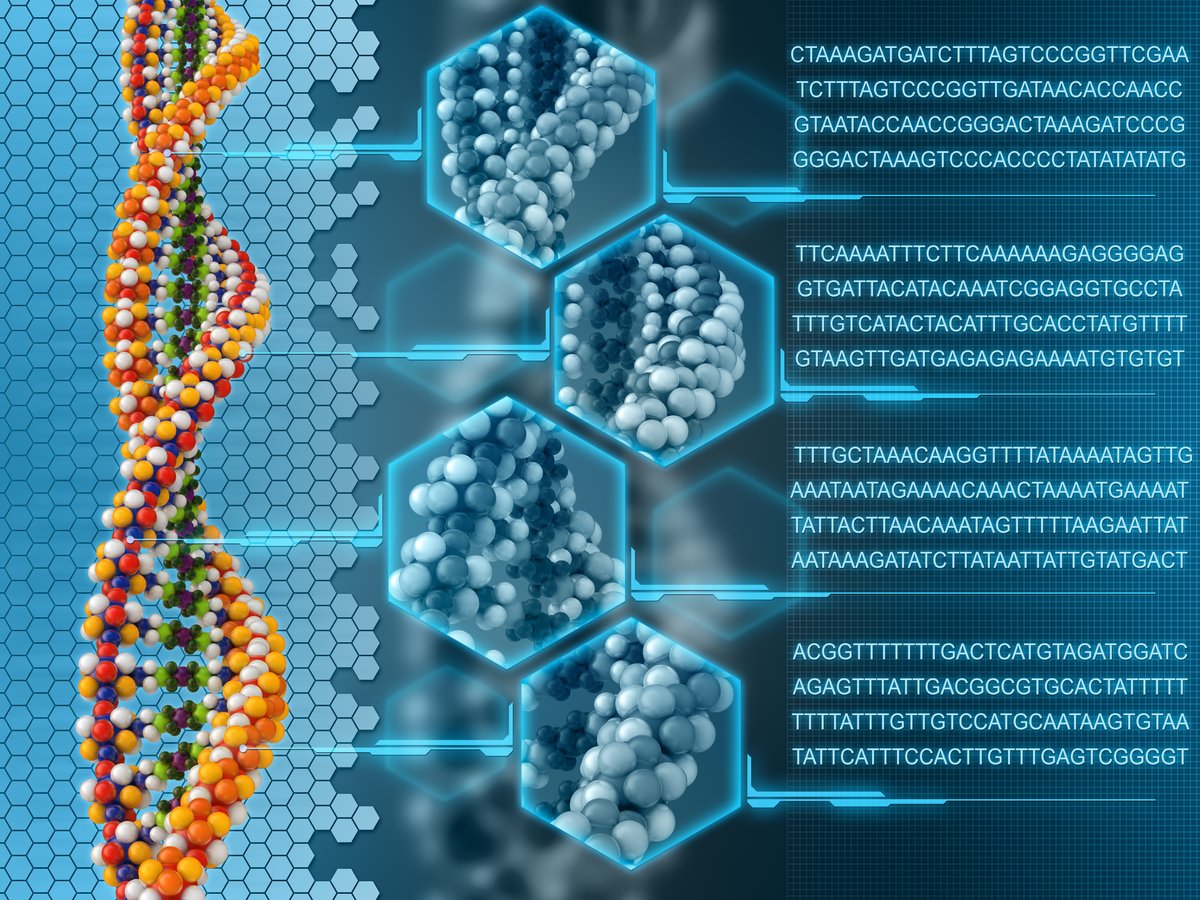
We Risk Programming Inequality into Our DNA - Slashdot
An anonymous reader writes:Imagine having a chip in your brain to boost your concentration, or pumping artificial blood into your veins to improve stamina. With gene editing, this may be possible. Scientists are pioneering the ability to tweak our DNA to wipe out disease and maybe even allow us to c...

It Should Be Legal To Hack Your DNA
A group of geneticists has called for a moratorium on research into modifying heritable human DNA — a practice that could lead to so-called "designer

Lab screw-ups with smallpox and anthrax show we must rethink biosecurity
Self-regulation by biologists was successful in the past but may now be too risky.

Scientists Argue the US Ban on Human Gene Editing Will Leave It Behind - Slashdot
Alex Pearlman, reporting for Motherboard: As the biotech revolution accelerates globally, the U.S. could be getting left behind on key technological advances: namely, human genetic modification. A Congressional ban on human germline modification has "drawn new lines in the sand" on gene editing legi...
The Genesis Engine
Editing DNA is now cut-and-paste. We could eliminate disease, cure hunger—or break the world.

Want More Policies Based on Evidence?
Medicine teaches us it will take time, effort, and investment.

We live in a golden age of biology. So why are people still dying from disease? Because discovery and development move slower than they should. Today, we’re partnering with Incyte to change… | Samuel G. Rodriques | 491 comments
We live in a golden age of biology. So why are people still dying from disease? Because discovery and development move slower than they should. Today, we’re partnering with Incyte to change that. Kosmos is now the first agent that can compress months of drug development into weeks, from the earliest stages of scientific discovery through to FDA approval. Incyte will be the first company to deploy it across their pipeline. Work that used to take a team of scientists months now happens in weeks. Patients can't wait, and neither can we. | 491 comments on LinkedIn
Monsanto Just Got Access to the World’s Most Powerful Gene-Editing Tool
Agriculture company Monsanto has acquired a non-exclusive global licensing agreement from MIT’s Broad Institute and Harvard to use the CRISPR/Cas9
$250 million, 300 scientists and 40 labs: Sean Parker’s revolutionary project to ‘solve’ cancer
The collaboration, which will be formally announced Wednesday, focuses on immunotherapy -- an area of research that many believe represents the future of cancer treatment.

Genomics Needs A Killer App | TechCrunch
Genomics has undergone a major shift in the last year. The drop in price in the past decade from $3B to $1K to sequence a genome is the 10X force likely to cause an inflection point in a number of health-related industries. But despite the price, right now genomics is a niche product in large part used in and promoted by academia.

No title
Two genetic programs have been discovered that turn stem cells into blood. The method, which mirrors the way blood is produced in the body, allows
A Researcher Needed Three Hours to Identify Me From My DNA
My case highlights the threat to privacy from genetic databases.
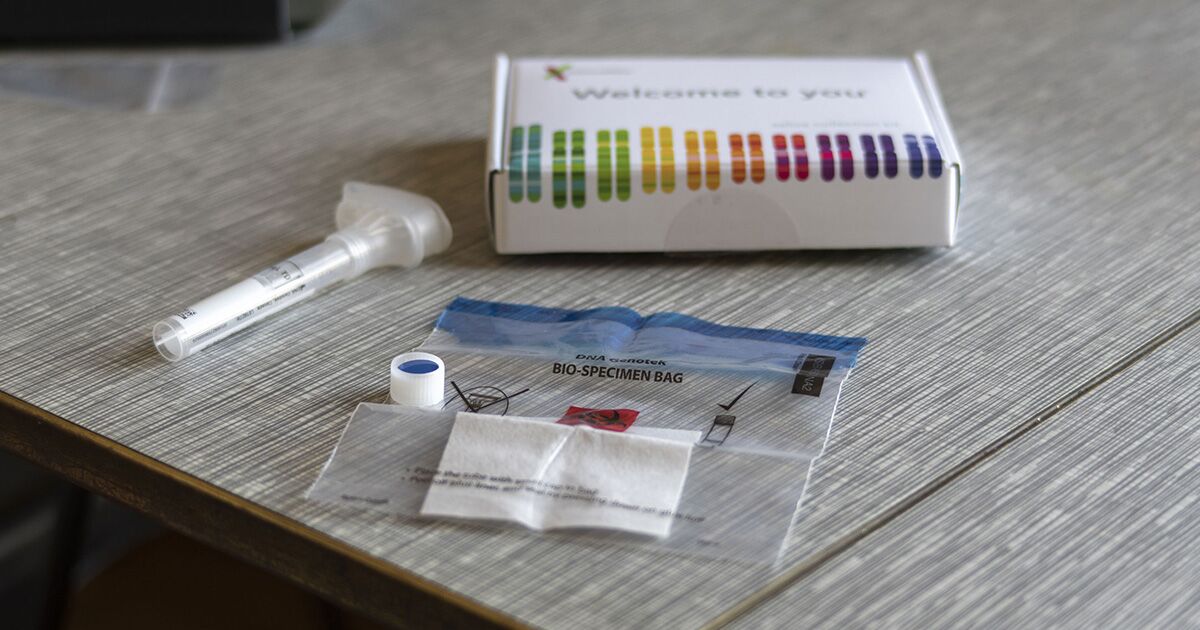
Sam Altman's Brain Chip Venture Is Mulling Gene Therapy Approach - Slashdot
Sam Altman's brain-chip venture is exploring the idea of genetically altering brain cells to make better implants. "The company, which has been referred to as Merge Labs, is looking at an approach involving gene therapy that would modify brain cells," reports Bloomberg. "In addition, an ultrasound d...
