

To increase the capacity for ethical data governance in the agriculture sector, ACARN partnered with researchers at UBC and beyond to co-develop resources to help farmers and others working with agricultural data. A free and open-access collection of resources available in multiple languages:
Ethical Data Governance Toolkit
To increase the capacity for ethical data governance in the agriculture sector, ACARN partnered with researchers at UBC and beyond to co-develop resources to help farmers and others working with agricultural data. A free and open-access collection of resources available in multiple languages:
Data Governance for Sustainable Digital Food Systems | DigiFood
Explore our research on agricultural data governance in Kenya, India, and Colombia. We aim to support civil society with a human-rights based approach to digital food systems. Join us in promoting equitable practices for sustainable agriculture.
Preventing AI extractivism: the case for braiding indigenous data justice with ABS for stronger AI data governance
Artificial-intelligence systems are rapidly reproducing colonial extractivism by harvesting Indigenous linguistic, biometric, geospatial, and ecological data without consent, compensation, or accountability. Biotechnology offers a blueprint for curbing such practices: the Convention on Biological Diversity and its Nagoya Protocol obligate users of genetic resources to obtain Prior Informed Consent, negotiate Mutually Agreed Terms, and share benefits fairly. No comparable framework restrains the digital appropriation that underpins many AI products. Consequently, corporations and states monetize Indigenous knowledge systems under the banners of “open data” and “scientific neutrality,” eroding rights affirmed in the United Nations Declaration on the Rights of Indigenous Peoples (UNDRIP). In response to this rising risk of AI extractivism, we make the case for a binding, sui generis ABS protocol for AI data governance. First, through a series of case studies we demonstrate that AI extraction mirrors the colonial and biopiracy controversies that originally triggered Access‑and‑Benefit‑Sharing (ABS) rules in biotechnology. Second, we translate those rules into a digital register by braiding two Indigenous data‑governance frameworks—OCAP® (Ownership, Control, Access, Possession) and the CARE Principles (Collective Benefit, Authority to Control, Responsibility, Ethics)—inside the ABS triad of consent, terms, and benefit‑sharing. The resulting model grounds technical safeguards in relational accountability and Indigenous legal orders. Such an instrument would compel transparent negotiations with Indigenous rights‑holders, assign enforceable authority over data across the AI lifecycle, and require equitable redistribution of the economic value generated by models trained on Indigenous data. Embedding ABS principles into AI governance offers a decolonial pathway that centers Indigenous epistemologies, promotes ethical foresight, and transforms AI from a vehicle of digital colonialism into a space for algorithmic justice.

Better Deal for Data - Practical Data Governance for the Social Sector
Better Deal for Data - practical data governance for the social sector.
A Polycentric Governance Lens on Data Infrastructures
Funding policies for data infrastructure promote open data sharing to drive positive social impact. However, concerns regarding the long-term management of data within and across distributed infrastructures can hinder data sharing. We draw upon the concept of polycentric governance to demonstrate how collaborative practices of data curation, in preparing and maintaining data for (future) sharing, provide a solid foundation for understanding data governance within data infrastructures. Based on a qualitative case study of a distributed ecological network, we investigate the conditions under which data are managed as a shared resource by local actors to ensure the long-term (re)usability of data. We contribute to CSCW by conceptualising data curation as a complex form of governance practice with multiple centres of decision-making, each of which operates with some degree of autonomy in data infrastructures. A polycentric governance lens on data infrastructures advances the CSCW conception of data curation as a collective governance practice that can cultivate a data democracy culture within and across organisations, empower individuals to be accountable for their data, and foster a mindset shift toward decentralised data governance.

MyData
The human-centric approach to data is aimed at a fair, sustainable, and prosperous digital society. In such a society, people get value from their data and set the agenda on how it is used. And for organisations, the ethical use of data is always the most attractive option.

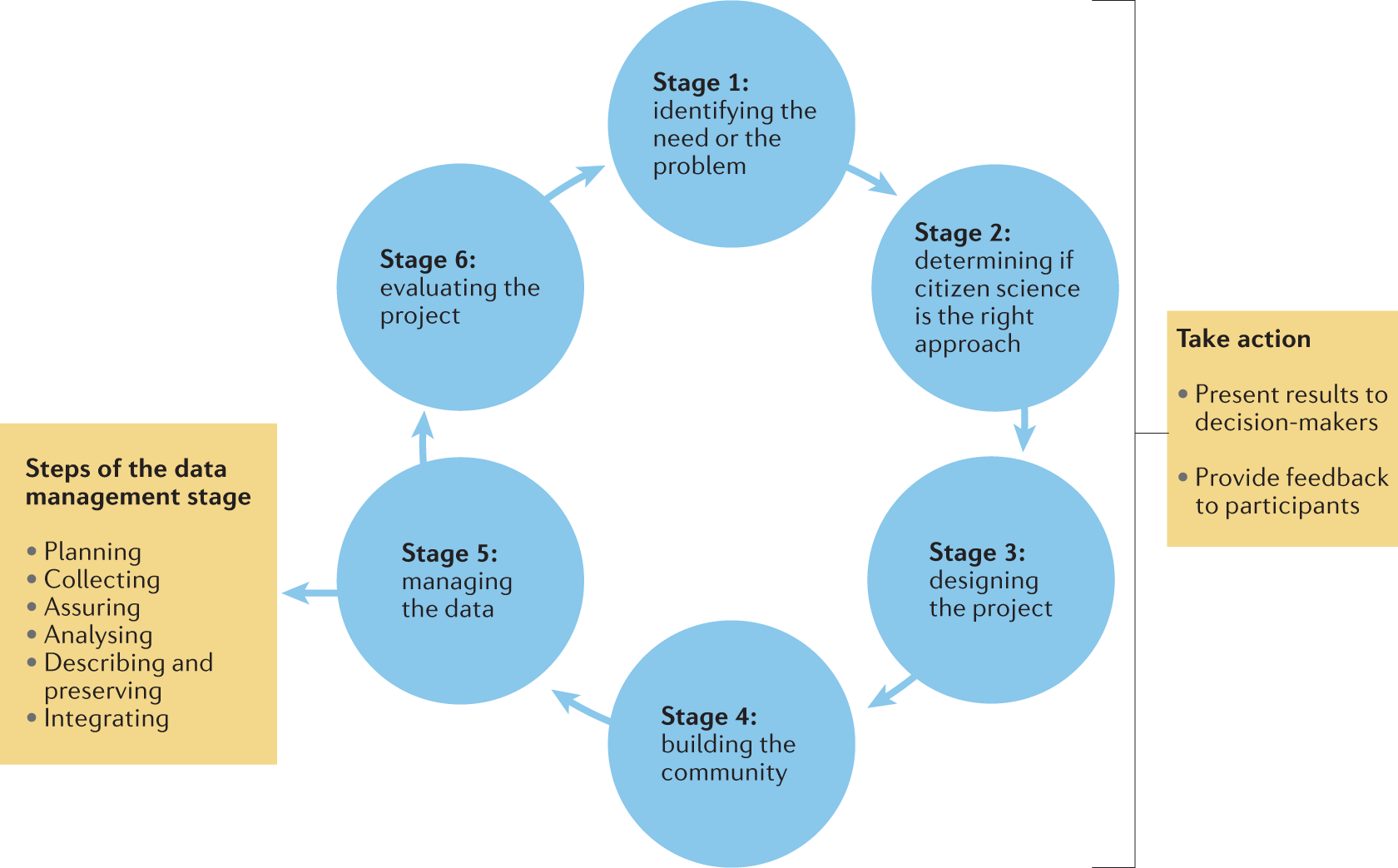
Citizen science in environmental and ecological sciences
Citizen science is an increasingly acknowledged approach applied in many scientific domains, and particularly within the environmental and ecological sciences, in which non-professional participants contribute to data collection to advance scientific research. We present contributory citizen science as a valuable method to scientists and practitioners within the environmental and ecological sciences, focusing on the full life cycle of citizen science practice, from design to implementation, evaluation and data management. We highlight key issues in citizen science and how to address them, such as participant engagement and retention, data quality assurance and bias correction, as well as ethical considerations regarding data sharing. We also provide a range of examples to illustrate the diversity of applications, from biodiversity research and land cover assessment to forest health monitoring and marine pollution. The aspects of reproducibility and data sharing are considered, placing citizen science within an encompassing open science perspective. Finally, we discuss its limitations and challenges and present an outlook for the application of citizen science in multiple science domains.
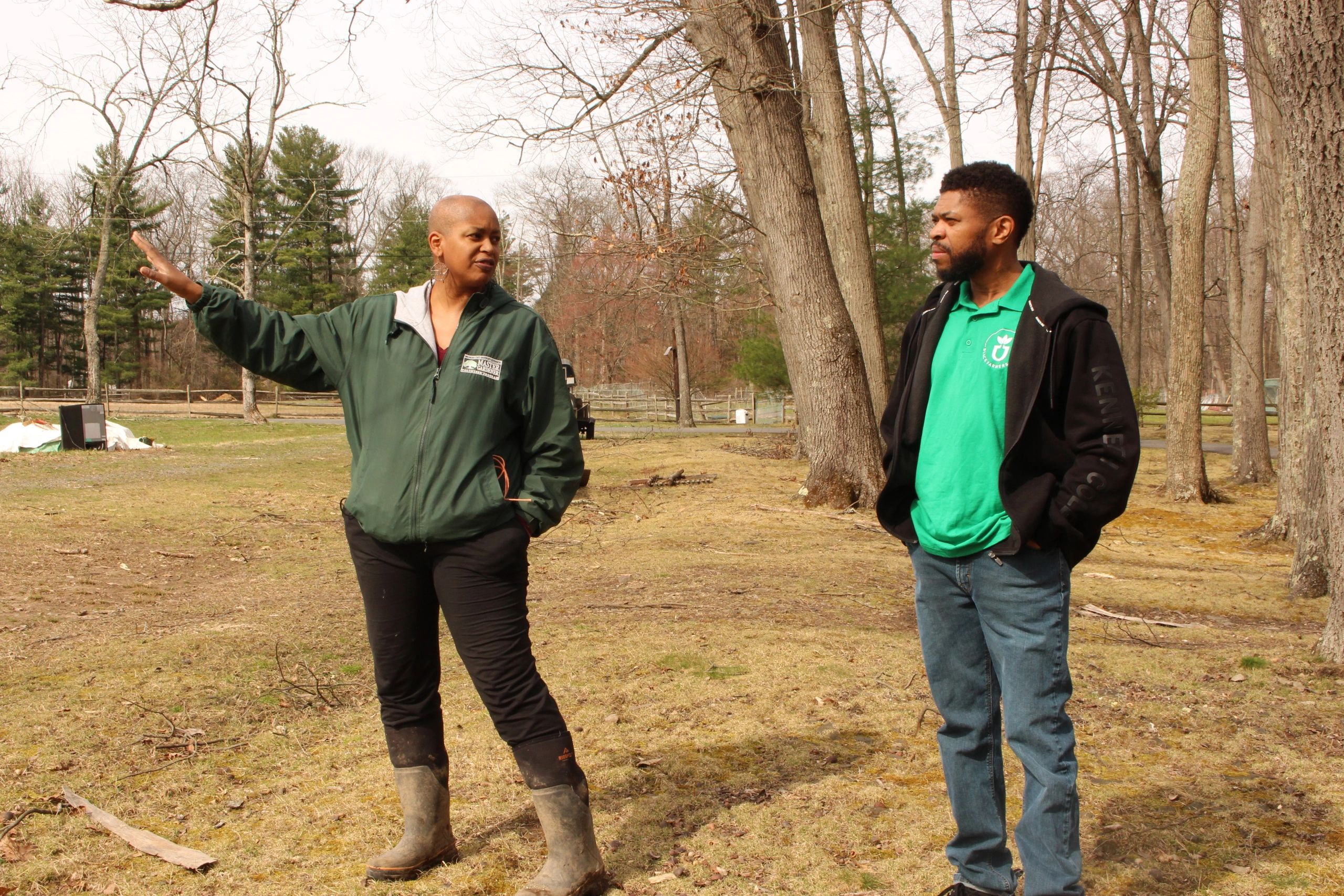
Connecting New Farmers to Business Tools & Mentorship
Check out our Business Tools for new farmers to support skills development to run ecologically sustainable and financially viable farm businesses!

Indigenous Knowledges and Data Governance Protocol — Indigenous Innovation Initiative
Between March 2020 and March 2021, the Indigenous Innovation Initiative co-created the Indigenous Knowledges and Data Governance Protocol with the community, to guide how we collect and use Indigenous Knowledges and Data. Click on the image below to learn more about this Protocol. Since then, t

Data Feminism
A new way of thinking about data science and data ethics that is informed by the ideas of intersectional feminism.Today, data science is a form of power. I
Data Feminism
A new way of thinking about data science and data ethics that is informed by the ideas of intersectional feminism.

Home - Data For Good
Empowering Communities Through Data Learn About Us Volunteer Get Support Donate Who Are We? Data For Good is a collective of do gooders, who want to use their powers for good, and not evil, to help make our communities better through data. We are a national not for profit organization, with chapters across the county, […]

A Practical Framework for Applying Ostrom’s Principles to Data Commons Governance
How do stakeholders govern themselves? What drives their endeavour? How do they make decisions? How do they make sure conflict does not tear them apart? The answers to these questions will look different for every data commons. Learn more in this week's data governance blog.

Indigenous Data Sovereignty (DDN3-A11)
This article explores Indigenous data sovereignty, identifies some of the data-related challenges faced by Indigenous Peoples and highlights the work done to overcome these challenges.

Black Farmers Index
Black Farmers Index drives resources and exposure to agriculturalists with an online directory, workshops, events, data gathering/reporting and media features
Intro_to_Awareness_and_Competency_in_Data_Governance
Thread 5 Introduction: ICT Awareness & Competency in Data Governance https://www.aliexpress.com/item/33004770035.html 1 May 4, 2021 Moore’s Law Prepared by: Ken Lazarus Ben Koo
