What do we do now that there’s more in the newsfeed than we can possibly read? Can the algorithmic sample ever actually work, or do we swing back to 1:1 messaging? How do Stories rebundle that? And what happens to all the traffic that the newsfeed provides?
Artificial Intelligence in the News: How AI Retools, Rationalizes, and Reshapes Journalism and the Public Arena
<p>Download the pdf here. Executive Summary Despite growing interest, the effects of AI on the news industry and our information environment — the public arena — remain poorly understood. Insufficient attention has also been paid to the implications of the news industry’s dependence on technology companies for AI. Drawing on 134 interviews with news workers […]</p>

Curate your own newspaper with RSS
Escape newsletter inbox chaos and algorithmic surveillance by building your own enshittification-proof newspaper from the writers you already read
Why the Algorithm Loves a Villain, And How to Beat It
When the internet is full of distortions, fake news, and AI-generated slop, how can facts and journalism rise to the top? Former BBC and Vice journalist Sophia Smith Galer has one possible way to…

The 49MB Web Page
A look at modern news websites. How programmatic ad-tech, huge payloads and hostile architecture destroyed the reading experience.

How to write Medium stories people will actually read
More than 30 million people use Medium each month. They come here in search of something worth reading. Something substantial. And you can give it to them. Medium’s algorithms put you on a level playing field. Your stories can dominate news feeds. Yo...

After the feed with Eli Pariser, Ben Smith, and Jasmine Sun
How we decide what news is important, and why that process maybe flawed
Have you ever thought about the type of news that populates on your Facebook feed? Where does it come from and how is it specifically…

Changes to the Facebook Algorithm Decreased News Visibility Between 2021-2024
Platforms, especially Facebook, are primary news sources in the US. In its widely criticized "War on News," Meta algorithmically deprioritized news and political content. We use data from 40 news organizations (5,243,302 Facebook posts, 7,875,372,958 user reactions) and 21 non-news pages (396,468 posts; 1,909,088,308 reactions) between January 1, 2016 and February 13, 2025 to examine how these changes influenced news visibility on the platform. Reactions to news declined by 78% between 2021 and 2024 while reactions to non-news pages increased, indicating targeted suppression of news visibility. Low-quality sources were especially suppressed, yet the 2025 end to "War on News" increased user reactions to news, especially low-quality ones. These changes do not reflect decreased news supply, Facebook user base, or interest in news over this period.

Oh Lord, AI Reporters Are Actually Breaking Big News
Last week, an AI newsroom beat mainstream journalists—including WIRED—to a story about OpenAI and hacking. It’s just the beginning.

Medium CEO Tony Stubblebine on AI Slop, Quality Content & Social Media Fragmentation
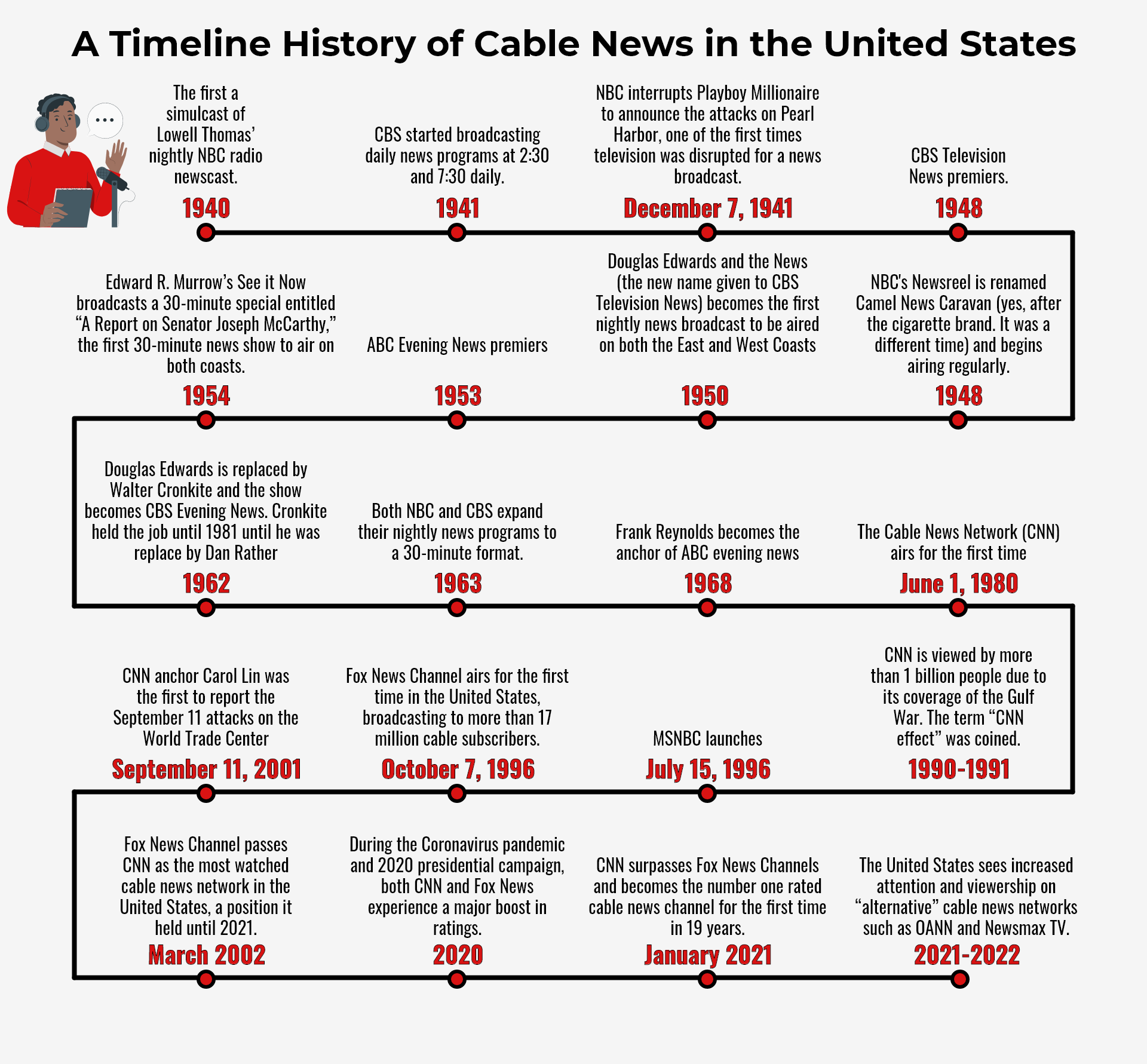
The Growth and Impact of Cable News
Cable news has had a tremendous impact on how people consume news. We discuss the growth and impact of cable news including the good, bad and downright ugly.
Now we’re getting AI fake news complaining about how AI fake news is the death of real news
Did 47 Alabama newspapers die on a single day and no one noticed? (Hint: No, they didn't.)

Google News Is Boosting Garbage AI-Generated Articles
404 Media reviewed multiple examples of AI rip-offs making their way into Google News. Google said it doesn't focus on how an article was produced—by an AI or human—opening the way for more AI-generated articles.
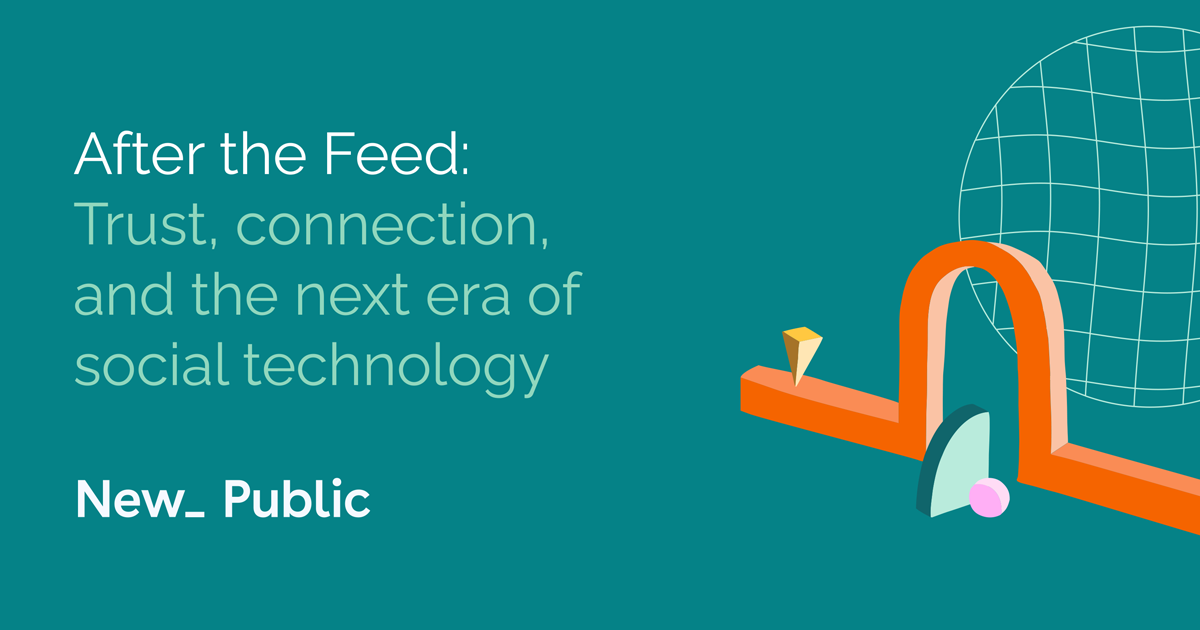
New_ Public | After the Feed
What happens after the social media feed? A presentation on the future of conversation, community, and social connection, and how AI will affect the everyday lives of billions.
AI in journalism: Live tracker of scandals and mistakes
AI in journalism: Live tracker of mistakes and mishaps from the Mississippe Free Press to the New York Times.