

The winners were chosen based on the power of the arguments presented and on how persuasively the essays made the case for survival of human consciousness beyond a reasonable doubt as though you were in a courtroom. While the judges were reading and re-reading the 204 submitted essays, they were conscious of the great responsibility of choosing the top three. The judges chose these principal winners with exquisite care.
Winners Take All — Anand Giridharadas
Anand Giridharadas is the author of Winners Take All. An insider’s groundbreaking investigation of how the global elite’s efforts to “change the world” preserve the status quo and obscure their role in causing the problems they later seek to solve.
How to win a best paper award (or, an opinionated take on how to do important research)
An opinionated perspective on how to do important research that makes a difference (and sometimes win awards).
What Scientists Said: Results from Astera's First Essay Competition
Astera recently hosted its first essay competition, focused around metascience.
The Protopian Prize | The Fiction Contest
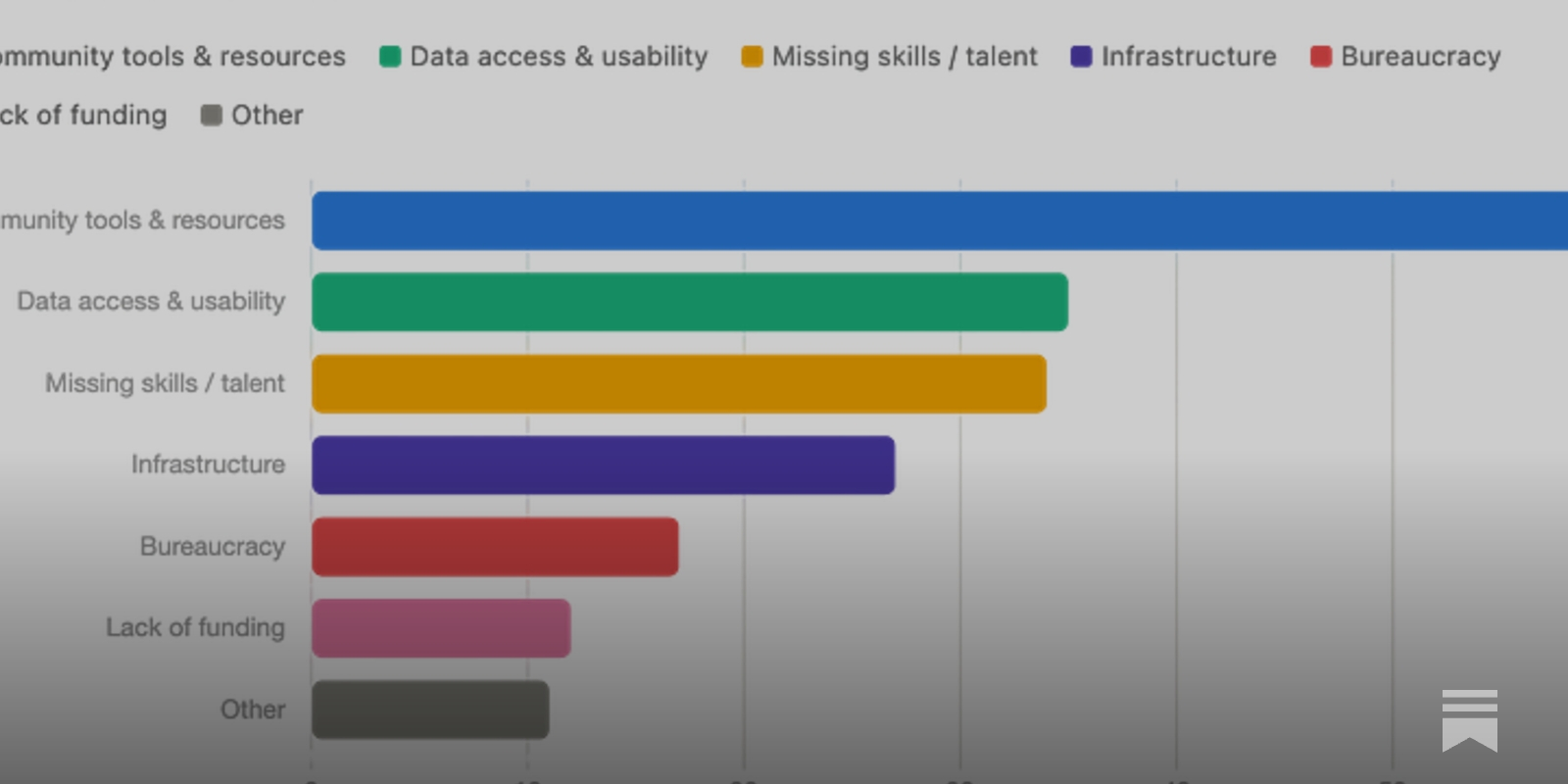
The Protopian Prize is a fiction contest inviting you to share your vision of people working toward liberatory futures, meeting obstacles, and making real change. “Protopian”—a word coined by Kevin Kelly, one of our contest's judges—means an achievable, optimistic future characterized by continuous, incremental progress rather than revolutionary leaps or a static, perfect state. Protopian stories imagine a future that is neither flawless nor catastrophic, but instead workably better than today. It’s about plausible progress rather than perfection or collapse.

This year’s Nobel prizes prompt soul-searching among economists
The rise of randomised controlled trials looks to some like a retreat from the biggest questions

Eyes on the Prize - Chicago Reader
Over more than two decades, Haki and Safisha Madhubuti have proved that African-centered education can amount to more than a black version of history. It can also be a springboard to a bright future.
233. "The Illusion of Thinking" — Thoughts on This Important Paper
This is a fantastic paper. I just love it. tl;dr AI is not human. Anthropomorphization has been bad for AI, LLMs, and Chat. Clippy walked so today's AI could run.
SCHOPENHAUER'S 38 STRATAGEMS, OR 38 WAYS TO WIN AN ARGUMENT
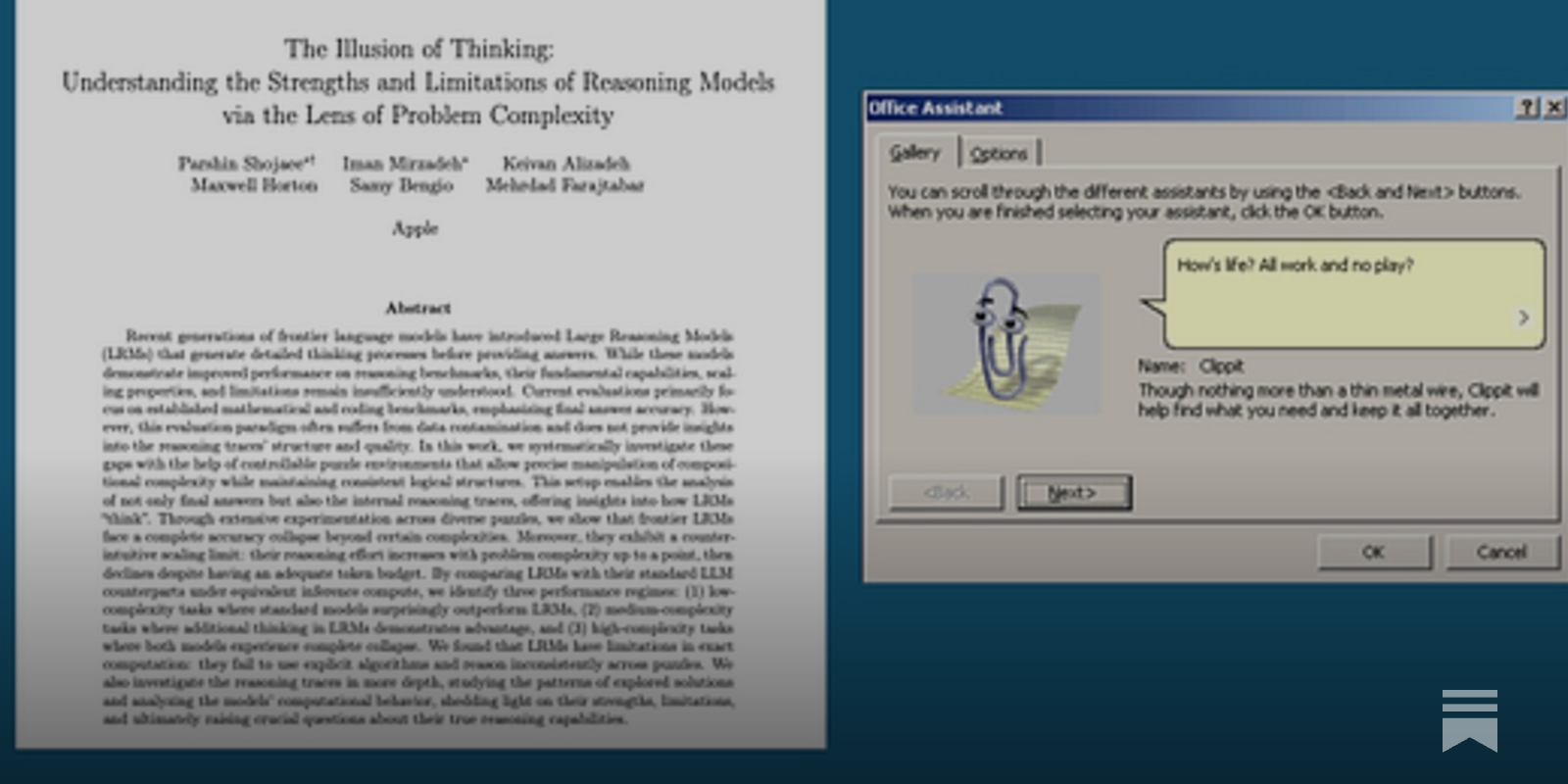
Arthur Schopenhauer (1788-1860), was a brilliant German philosopher. These 38 Stratagems are excerpts from "The Art of Controversy", first translated into English and published in 1896.
Your Book Review: We Present Television
Finalist #11 in the Book Review Contest
Towards Critical Artificial Intelligence Literacies
Critical Artificial Intelligence Literacies (CAILs) is the collection of ways of thinking about and relating to so-called artificial intelligence (AI) that rejects dominant frames presented by the technology industry, by naive computationalism, and by dehumanising ideologies. Instead, CAILs centre human cognition and uphold the integrity of academic research and education. We present a selection of CAILs across research and education, which we analyse into the following non-orthogonal dimensions: conceptual clarity, critical thinking, decoloniality, respecting expertise, and slow science. Finally, we note how we see the present with and without a wider adoption of CAILs — a fundamental aspect is the assertion that AI cannot be allowed to drive change, even positive change, in education or research. Instead cultivation of and adherence to shared values and goals must guide us. Ultimately, CAILs minimally ask us to contemplate how we as academics can stop AI companies from wielding so much power.
People Spend Too Much Time On Decisions with Equally Satisfying Outcomes
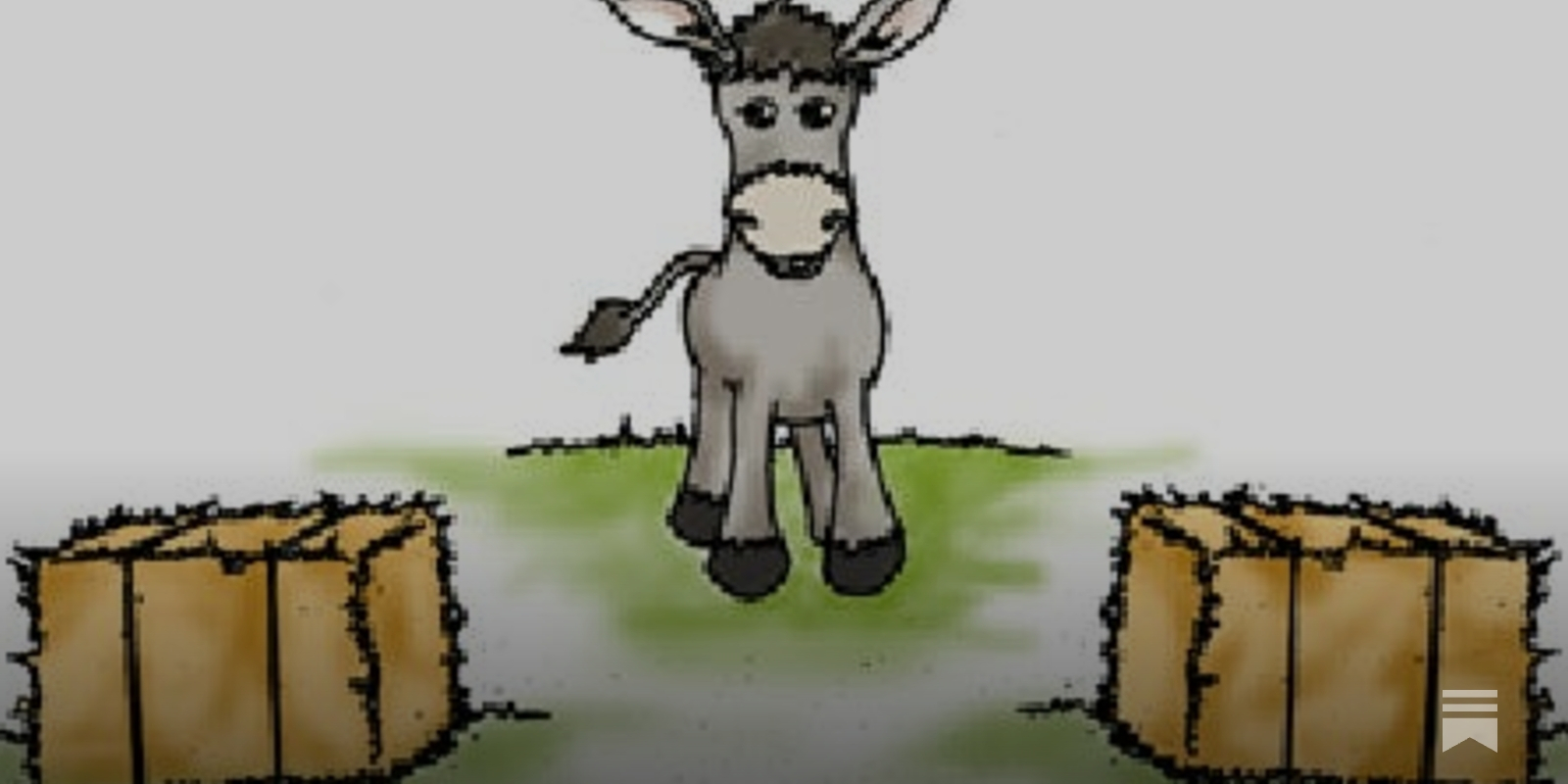
The pitfalls of analysis paralysis
The Breath of the Author
The palpable presence of someone else's mind in our best writing should give us pause about the encroachment of AI text
I’ve been hearing about this project for years from @fernpizza.bsky.social and I’m stoked to see it out. It’s wildly elegant mixture of theory and empirics, with novel methods that manages to ask and answer deep questions about selection. Paper of the year. science.org/doi/10.1126/science.adx0665

Intracellular competition shapes plasmid population dynamics
www.science.orgI'm incredibly honored to be one of the inaugural winners of the Ctrl-Z award. The sequence of events preceding and following this retraction were harrowing (and are honestly still stressful), but I hope this will be an opportunity for more open dialogue about mistakes + self-retraction in science.

Retraction Watch
The Center for Scientific Integrity is proud to announce the inaugural winners of the 2026 Ctrl-Z Award. Named for the universal keyboard shortcut for “undo,” the Ctrl-Z Award this year honors @cetaceanneeded.bsky.social and @katelaskowski.bsky.social for choosing transparency over reputation.
I had the honor of giving a keynote at the International Conference on Machine Learning last week. I addressed the widespread anxiety about how we should adapt as AI capabilities increase. I was thrilled by the talk’s reception, so I have made my slides available cs.princeton.edu/~arvindn/talks/icml-2026-anno…

What will be left for us to work on?
www.cs.princeton.eduExpecting researcher taste and judgement to become increasingly valuable (this is from Anthropic's Opus 5.5 system card) anthropic.com/claude-opus-5-5-system-card


