

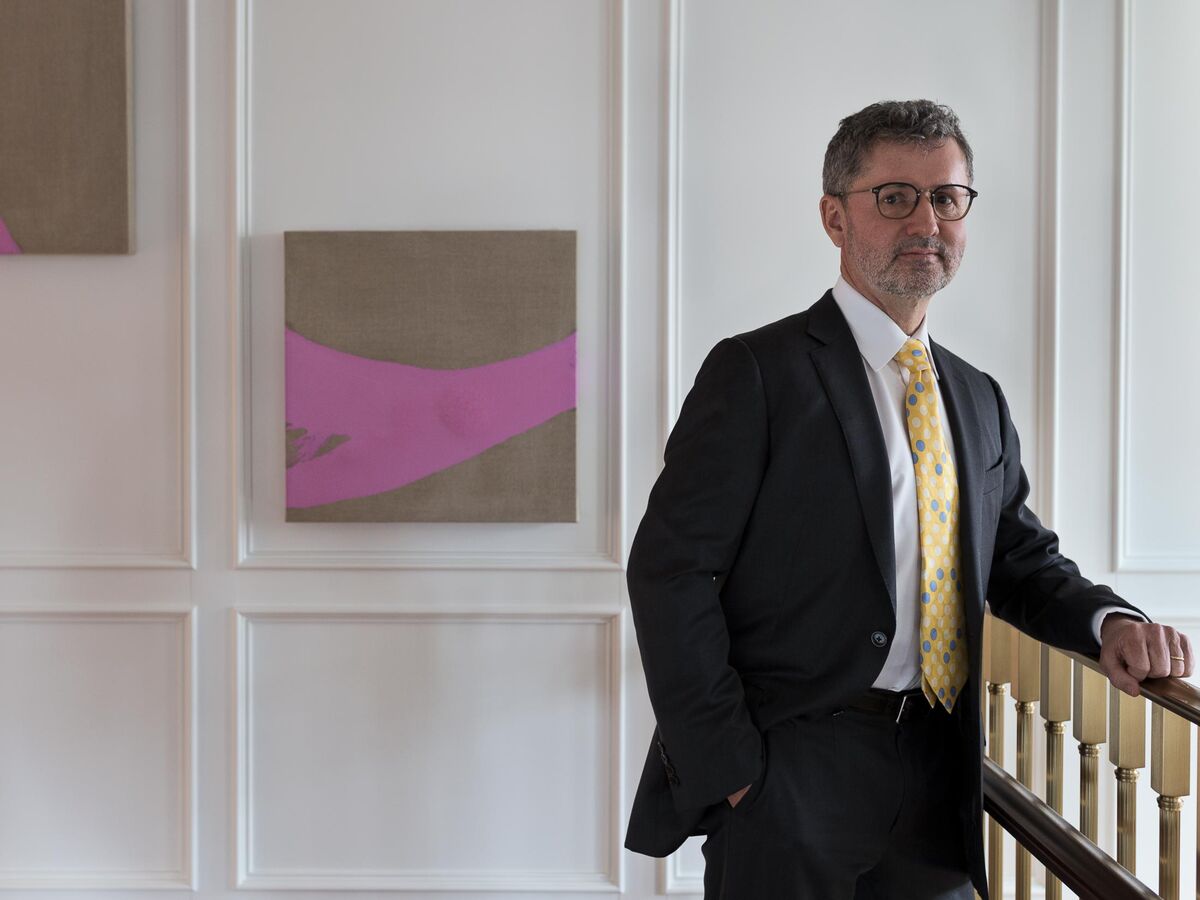
Bill Benter did the impossible: He wrote an algorithm that couldn’t lose at the track. Close to a billion dollars later, he tells his story for the first time.
AI Has Ruined the Job Market
Maybe flawed people were better than brute algorithms.

AI's Affordability Crisis
A year ago in The Back Of The AI Envelope I pointed out that the AI platforms were running the drug-dealer's algorithm, "the first one's fr...

Terence Tao – Kepler, Newton, and the true nature of mathematical discovery
“And what those stories teach us about how AI will revolutionize math”
Import AI 472: DeepMind's cheating math agents; populist AI policies; and Forethought theorizes a nightwatchman
Plus, a machine hermeneutics story

The Mathocalypse
Last night my 9-year-old son was taunting my wife, complexity theorist Dana Moshkovitz, as follows: “mommy, I heard you got cooked! I heard that a robot solved the math problem you worked on …

British mathematician hands OpenClaw agent a credit card
: Professor Fry's AI experiment shows light and dark sides of agentic tech

On the edge: the art of risking everything
"From the New York Times bestselling author of The Signal and the Noise, the definitive guide to our era of risk-and the players raising the stakes In the bestselling The Signal and the Noise, Nate Silver showed how forecasting would define the age of Big Data. Now, in this timely and riveting new book, Silver investigates "The River," or those whose mastery of risk allows them to shape-and dominate-so much of modern life. These professional risk takers-poker players and hedge fund managers, crypto true-believers and blue-chip art collectors-can teach us much about navigating the uncertainty of the 21st century. By embedding within the worlds of Doyle Brunson, Peter Thiel, Sam Bankman-Fried, Sam Altman, and many others, Silver offers insight into a range of issues that affect us all, from the frontiers of finance to the future of AI. The River has increasing amounts of wealth and power in our society, and understanding their mindset-including the flaws in their thinking-is key to understanding what drives technology and the global economy today. There are certain commonalities in this otherwise diverse group: high tolerance for risk; appreciation of uncertainty; affinity for numbers; skill at de-coupling; self-reliance and a distrust of the conventional wisdom. For the River, complexity is baked in, and the work is how to navigate it, without going beyond the pale. Taking us behind-the-scenes from casinos to venture capital firms to the FTX inner sanctum to meetings of the effective altruism movement, On the Edge is a deeply-reported, all-access journey into a hidden world of powerbrokers and risk takers"--

AI Coding is Gambling
GambleAI I’ve been coding a lot with AI since November, when we all noticed it got really good. And it is quite good for instantly generating something th...

The Crooked Timber of AI
The philosophical perils of conflating discoveries and inventions, and how to overcome them

Noam Brown on Twitter / X
And yes we did try other major problems without success. Sadly no Millennium Prize problems (yet).But also, we didn’t spend a lot on each problem. It’s possible to push test-time compute much further.— Noam Brown (@polynoamial) August 1, 2026
The fall of the theorem economy
How AI could destroy mathematics and barely touch it
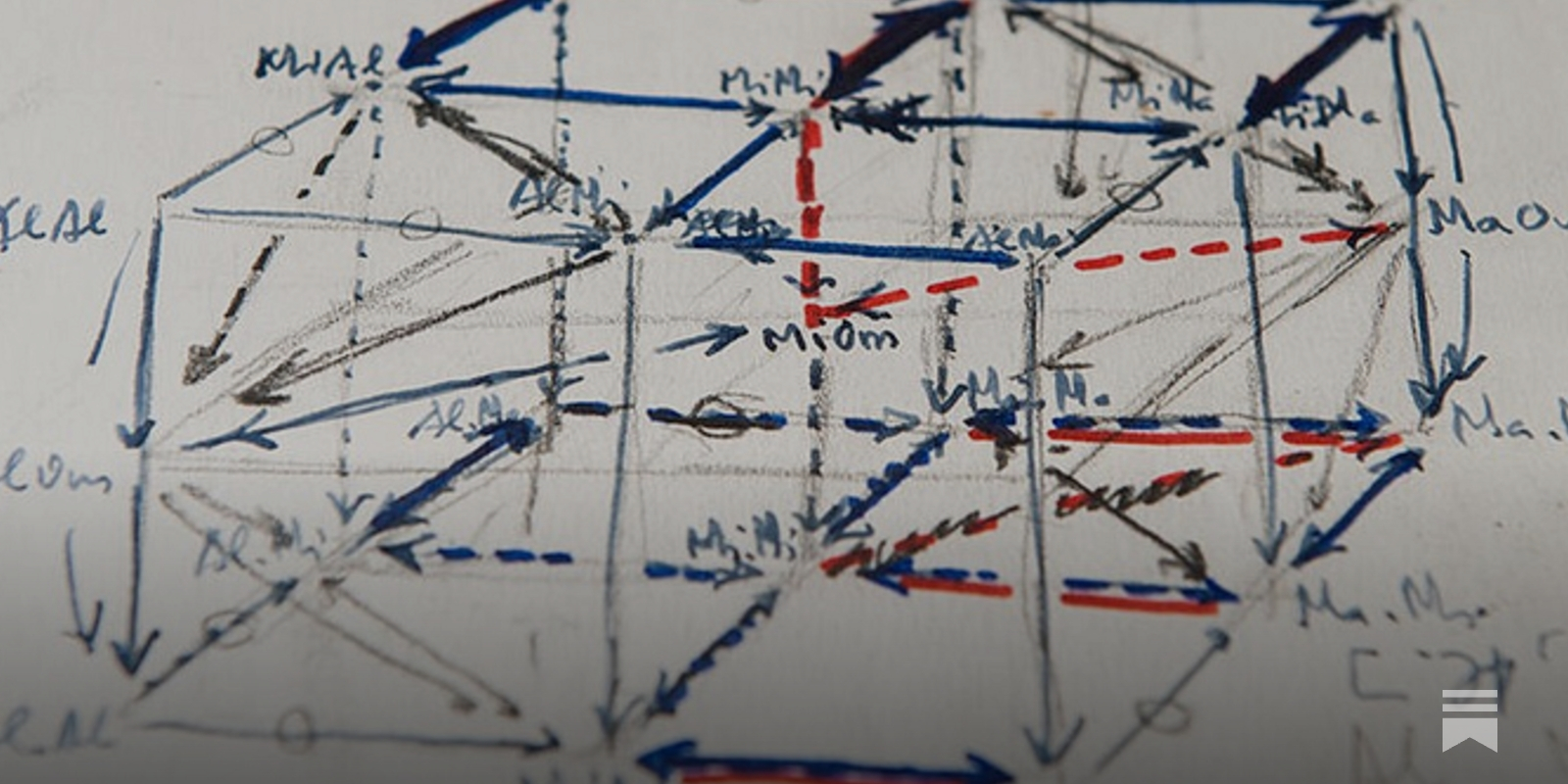
The fall of the theorem economy
How AI could destroy mathematics and barely touch it
Notes on a non-profit indicted for bank fraud
Private intelligence agency discovers predictable challenges in moving money; attempts creative solution.
ADDICTION BY DESIGN: Machine Gambling in Las Vegas – Natasha Dow Schüll
Slot machines, revamped by evermore compelling digital and video technology, have unseated traditional casino games as the gambling industry’s revenue mainstay. Drawing on fifteen years of field research in Las Vegas, anthropologist Natasha Dow Schüll explores the dark side of machine gambling—a solitary, rapid, continuous form of play that has less to do with the competitive thrill of winning than with the pull of “the machine zone,” as gamblers call the trancelike state they enter.