


Real-time evaluation makes sense, unless it gets too dystopian.
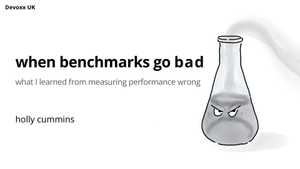
When benchmarks go bad - what I learned from measuring performance wrong - Holly Cummins
The world of performance analysis is littered with flawed claims, cognitive biases, dangerous intuitions, and beguiling fallacies. Sadly…
Open-world evaluations for measuring frontier AI capabilities
Introducing CRUX, a new project for evaluating AI on long, messy tasks
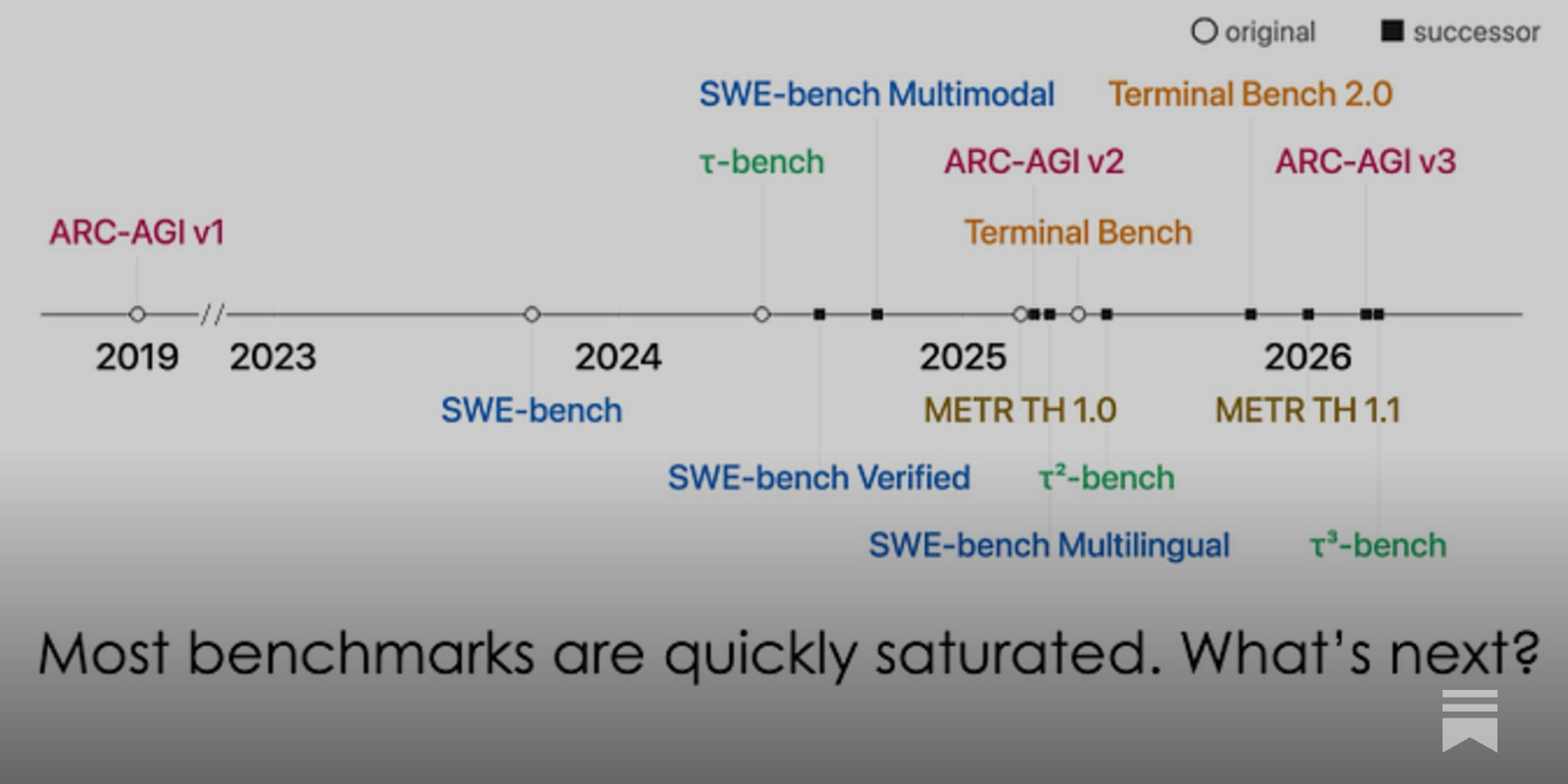
Artificial Analysis v5 and the benchmarker's dilemma
A sort of review of the benchmarking industry and what's missing.
AI-assisted Reviewing is Necessary and Should be Open
Peer review is facing a death spiral. AI production tools are speeding it up. AI-assisted reviewing is necessary and should be open.
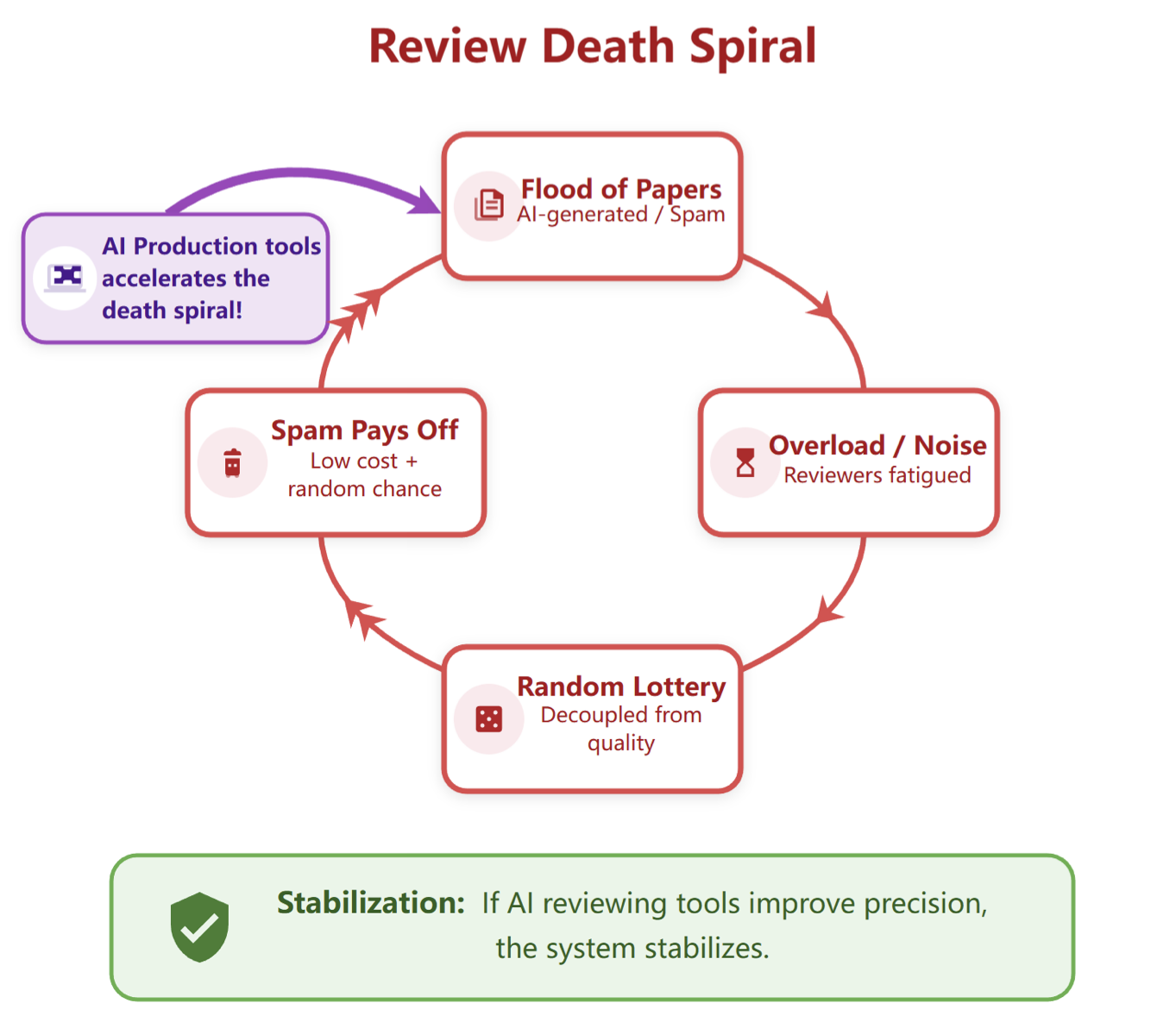
AI-assisted Reviewing is Necessary and Should be Open
Peer review is facing a death spiral. AI production tools are speeding it up. AI-assisted reviewing is necessary and should be open.
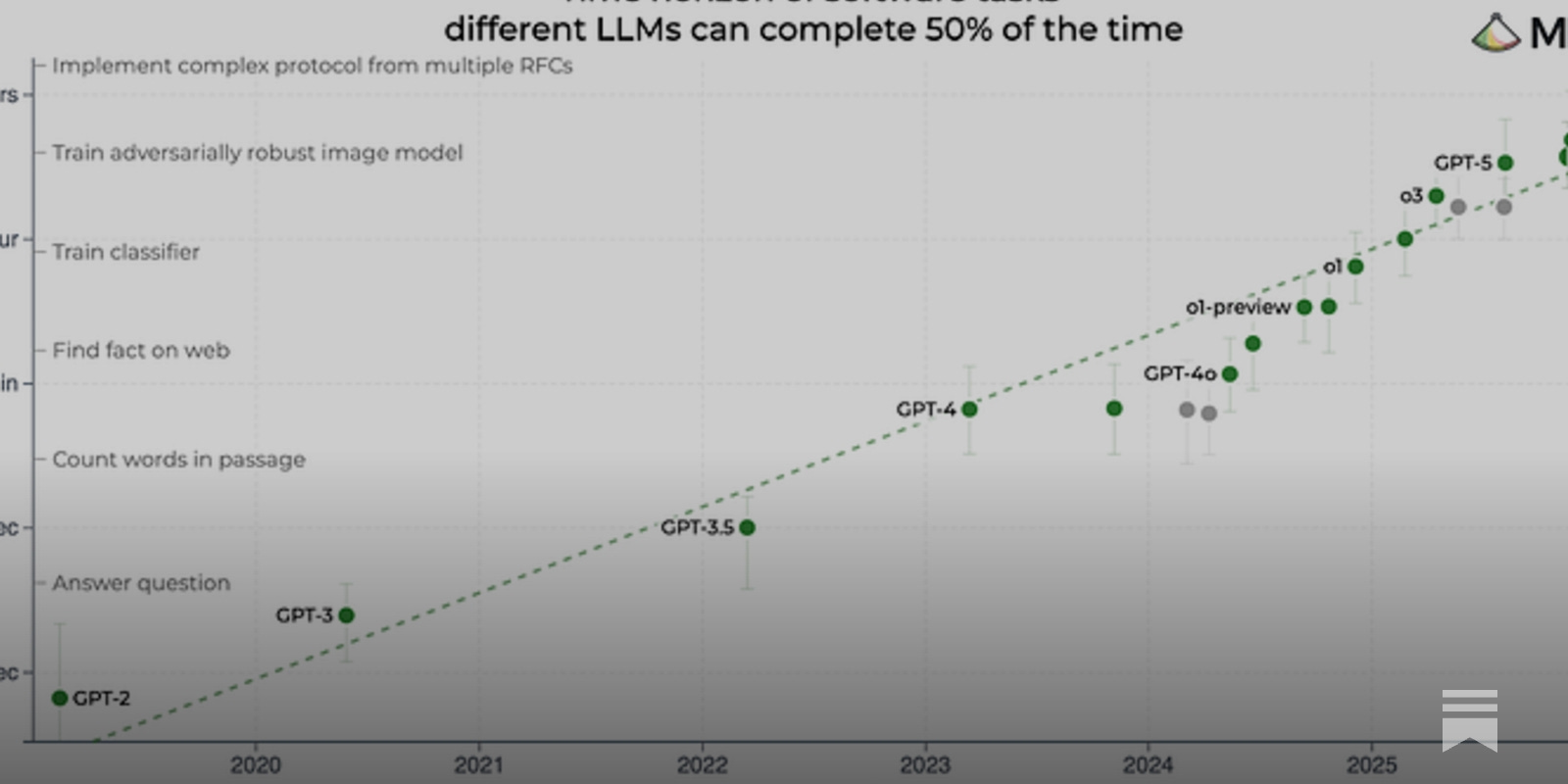
Why it’s getting harder to measure AI performance
The most famous chart in AI might be obsolete soon.
Evaluations Are the Real Codebase - The Phoenix Architecture
Why behavior outlives implementations

AI-Assisted Peer Review at Scale: The AAAI-26 AI Review Pilot
Scientific peer review faces mounting strain as submission volumes surge, making it increasingly difficult to sustain review quality, consistency, and timeliness. Recent advances in AI have led the community to consider its use in peer review, yet a key unresolved question is whether AI can generate technically sound reviews at real-world conference scale. Here we report the first large-scale field deployment of AI-assisted peer review: every main-track submission at AAAI-26 received one clearly identified AI review from a state-of-the-art system. The system combined frontier models, tool use, and safeguards in a multi-stage process to generate reviews for all 22,977 full-review papers in less than a day. A large-scale survey of AAAI-26 authors and program committee members showed that participants not only found AI reviews useful, but actually preferred them to human reviews on key dimensions such as technical accuracy and research suggestions. We also introduce a novel benchmark and find that our system substantially outperforms a simple LLM-generated review baseline at detecting a variety of scientific weaknesses. Together, these results show that state-of-the-art AI methods can already make meaningful contributions to scientific peer review at conference scale, opening a path toward the next generation of synergistic human-AI teaming for evaluating research.

AI Research Evaluation: Negative Findings and Failure Modes | Arvind Narayanan posted on the topic | LinkedIn
📢AI agents can autonomously conduct AI research when the result is easily verifiable, but what about open-ended AI research? That’s much harder to study, and our new preprint is our first crack at doing so. Our main finding is negative, and we identify five recurring failure modes. https://lnkd.in/eGKYi4Sa Our results are tentative, and we are working to address the limitations (sample size, potential scaffold improvements). But if the finding holds up, what are the implications? It depends on whether you think recursive self improvement can be achieved simply by hill climbing at scale (I personally don’t think so) and whether you think current limitations of open-ended research like judgment and creativity could change quickly (I’m personally very open to this possibility). We plan to continue this style of evaluation — which we call shadow evaluation — on a regular basis. We’ve wanted to do this for two years, but it took so long because we wanted to get the method right. The idea behind shadow evaluation was suggested by some of the UK AISI coauthors of the paper and refined by the Princeton team. This method has important advantages (and limitations) over the current ways of evaluating agents’ ability to conduct AI research. If you’re an AI researcher interested in working with us on a shadow evaluation based on one of your papers, we’d love to hear from you. https://lnkd.in/ecyp55SW This type of evaluation necessarily involves a ton of researcher flexibility in design, execution, and interpretation. Members of the core team have a particular position in the debate on recursive self-improvement / superintelligence, and this could influence how we conduct the research. We have a detailed section in the paper on our potential biases and how we address them. We sought out a team of collaborators who don’t all share our priors, and we explicitly surface the interpretive disagreements that resulted. For future evaluations, we are interested in having “adversarial collaborators” as part of the core team. This paper exists because of the careful, time-consuming and very much human work that Peter Kirgis, Sayash Kapoor, Andrew Schwartz, and Stephan Rabanser did over the last few months. I’m also very grateful to the larger group of collaborators and co-authors. The work is part of the larger CRUX project that pushes frontier AI agents beyond what benchmarks can measure (https://cruxevals.com/). We are looking for a senior researcher to join the team: https://lnkd.in/e9dC22X5

Performance Reviews Are the Scorecard of Capitalism (And Why That Should Free You)
Credit: Daniel Dalea / Unsplash Every review season is an emotional rollercoaster. Anxiety. Self assessments. Anticipation. Disappointment. As an IC, I felt like how much it impacted me was a perso…

AI Coding Agents Productivity Gains Offset by Human Review
AI coding agents are cranking out significantly more code. But those efficiency gains are being wiped out by human review “bottlenecks”.

The AI "Evaluation Crisis" Is an Opportunity to Get Data Flow Right
Why the AI evaluation crisis could force a reckoning on dataset provenance, attribution, and consent.

Evaluating chain-of-thought monitorability
OpenAI introduces a new framework and evaluation suite for chain-of-thought monitorability, covering 13 evaluations across 24 environments. Our findings show that monitoring a model’s internal reasoning is far more effective than monitoring outputs alone, offering a promising path toward scalable control as AI systems grow more capable.
Peer review is facing a death spiral, and AI production tools are speeding it up. AI-assisted reviewing is necessary and should be open. We built OpenAIReview: open AI reviewing for everyone, for the cost of a coffee. openaireview.github.io/blog.html 🧵

AI-assisted Reviewing is Necessary and Should be Open
openaireview.github.io