


Two new books take aim at the moral failures of meritocracy. But we can advocate for a more just society without giving up on merit.
The myth of meritocracy: who really gets what they deserve?
The long read: Sorting people by ‘merit’ will do nothing to fix inequality

Meritocracy: the great delusion that ingrains inequality | Jo Littler
From Theresa May to Donald Trump, our leaders sell it as a utopian system of fairness – but ‘merit’ has been manipulated to privilege the wealthy

Why Meritocracy Doesn't Work: The Math Behind the Myth
Even a 1% hiring bias compounds dramatically across hierarchies and growth. Here's the math proving why meritocracy fails and diversity initiatives matter.

The Post-Meritocracy Manifesto - Created by Coraline Ada Ehmke
Meritocracy is a founding principle of the open source movement, and the ideal of meritocracy is perpetuated throughout our field in the way people are recruited, hired, retained, promoted, and valued.
The School for Moral Ambition
Moral ambition redefines success: not by what we accumulate, but by what we contribute. Build a legacy that truly matters. Join the movement.


Fairness is what the powerful ‘can get away with’ study shows
The willingness of those in power to act fairly depends on how easily others can collectively push back against unfair treatment

Another now: dispatches from an alternative present
What would a fair and equal society actually look like?…

Restorative Justice
The Paper Pilot's digital garden of thoughts on philosophy, politics, and sociology. Reading time: ~1 minute read | Published: Apr 13, 2025 | Updated: Oct 4, 2026

Deaths of Despair and the Future of Capitalism
A New York Times BestsellerA Wall Street Journal BestsellerA New York Times Notable Book of 2020A New York Times Book Review Editors' ChoiceShortlisted for the Financial Times and McKinsey Business Book of the YearA New Statesman Book to ReadFrom economist Anne Case and Nobel Prize winner Angus Deaton, a groundbreaking account of how the flaws in capitalism are fatal for America's working class


On liberty
Introductory -- Of the liberty of thought and discussion -- Of individuality, as one of the elements of well-being -- Of the limits to the authority of society over the individual -- Applications; Book, leather; Explanatory note by H.E. Barker attached; 18

Demis Hassabis on the New Coming Age
Google CEO Demis Hassabis offered us a first rate second rate essay, A Framework for Frontier AI and the Dawning of a New Age. I’ll go over that essay and various responses to it in Part 1.


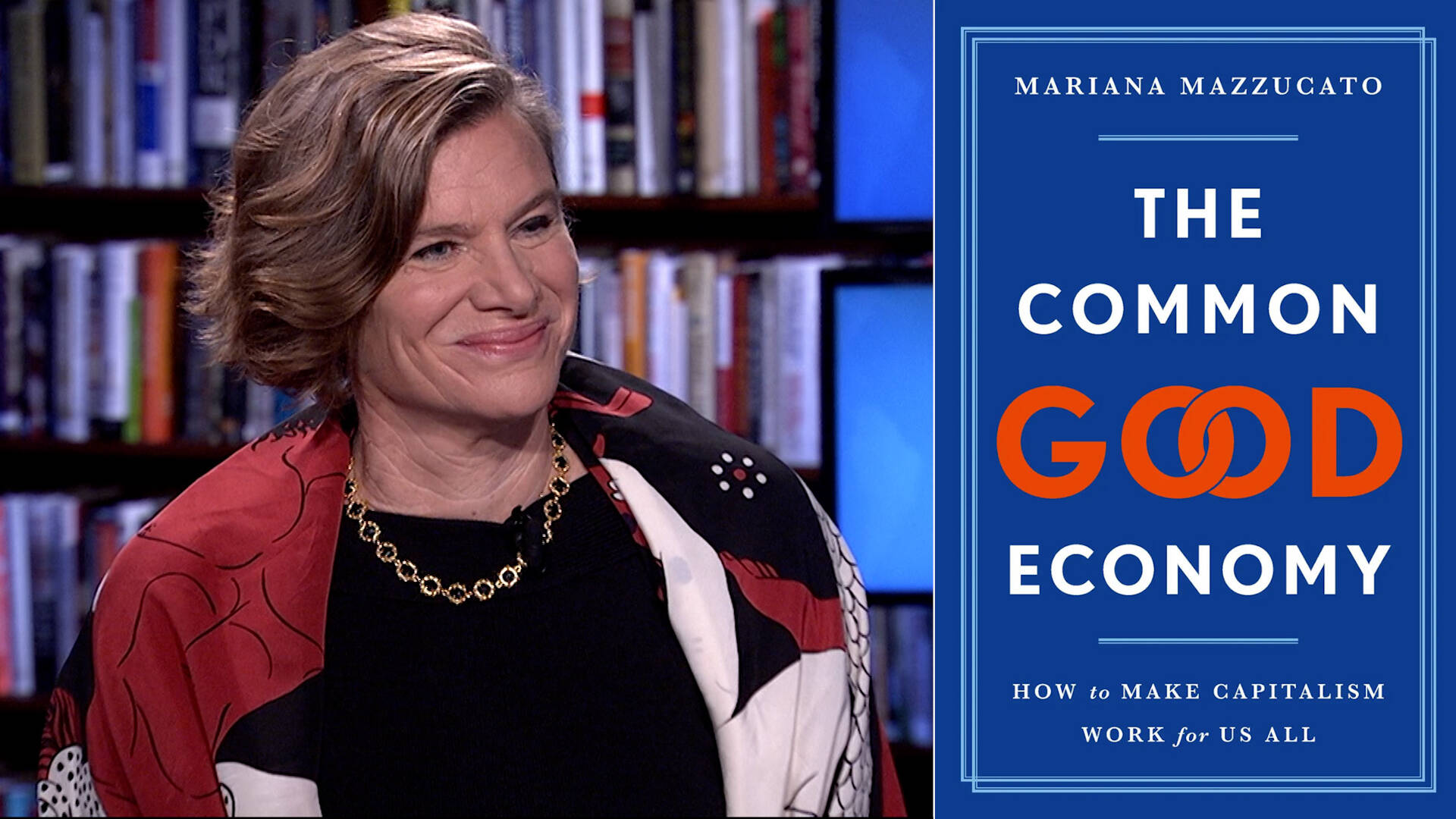
“The Common Good Economy”: Mariana Mazzucato on Fixing Capitalism
We speak with the economist Mariana Mazzucato, author of the new book The Common Good Economy: A New Compass.
10 Principles of Disability Justice | Sins Invalid
INTERSECTIONALITY “We do not live single issue lives” –Audre Lorde. Ableism, coupled with white supremacy, supported by capitalism, underscored by heteropatriarchy, has rendered the vast majority of the world “invalid.”