

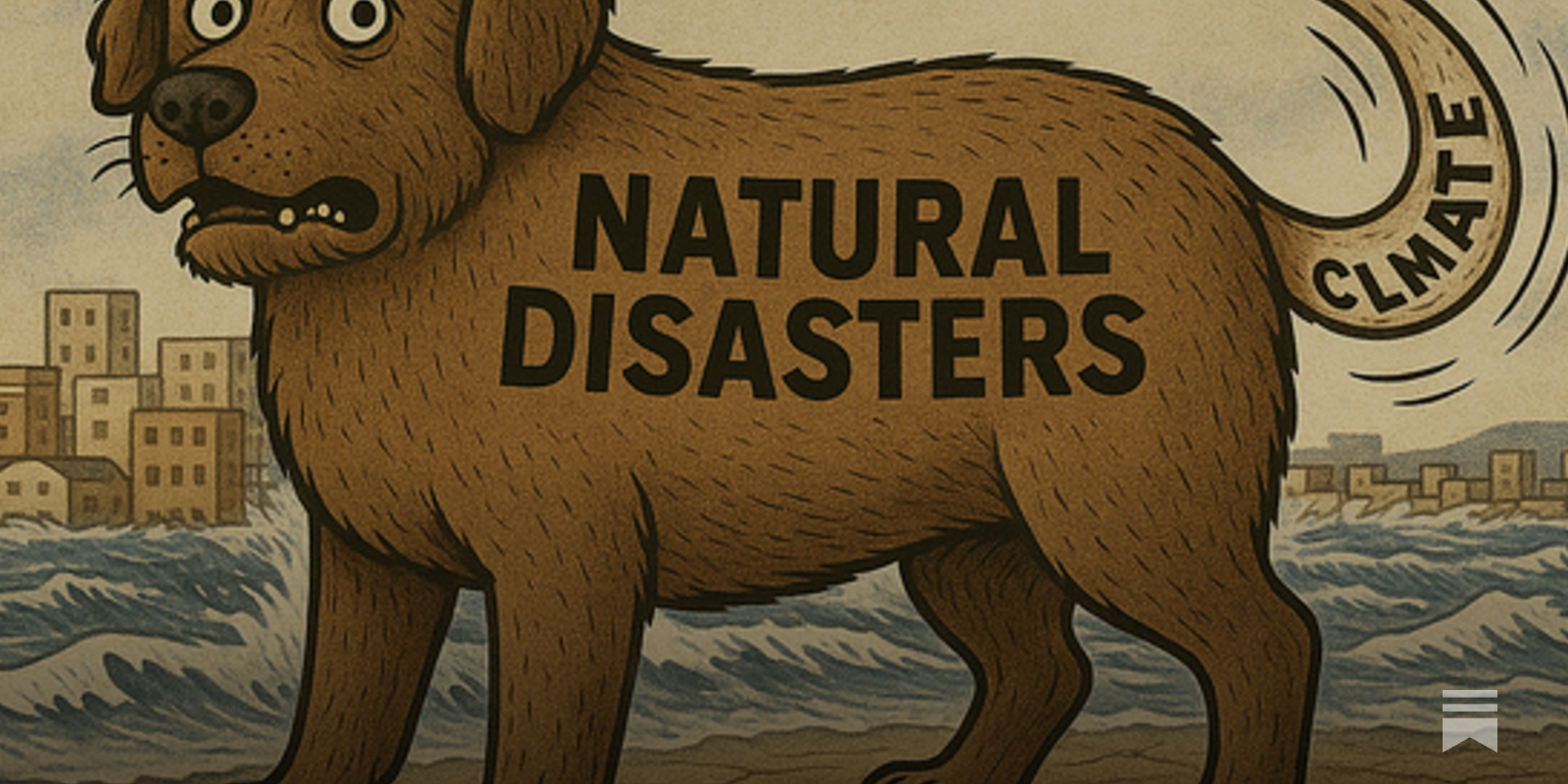
And why so many climate pragmatists can’t quit catastrophism
What if We Stopped Pretending the Climate Apocalypse Can Be Stopped?
The climate apocalypse is coming. To prepare for it, we need to admit that we can’t prevent it.


Correcting climate ‘misperceptions’ may not boost climate action - Carbon Brief
Most people "underestimate" general support for climate change and "overestimate" actual, real-world climate action.
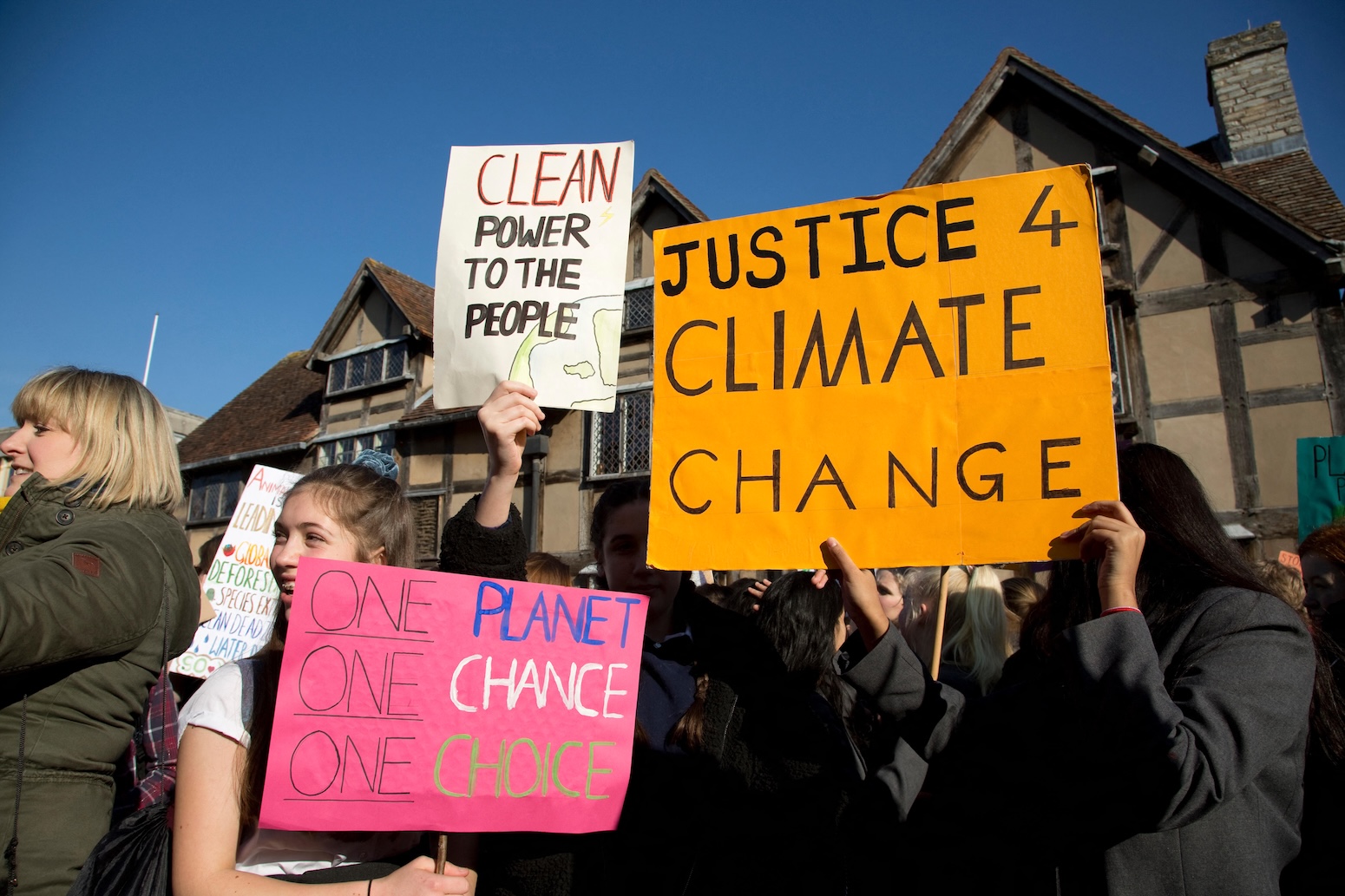
Humans need to become smarter thinkers to beat climate denial | Dana Nuccitelli
Dana Nuccitelli: A new paper shows that climate myths consistently fail critical thinking tests

Appropriate Technology, Permacomputing, Post Growth, and Ecomodernism.
To adapt to the changing climate, we need to radically rethink how and why we do the things we do. From technology, to social movements, to economics. The world is at stake. And we can change it.
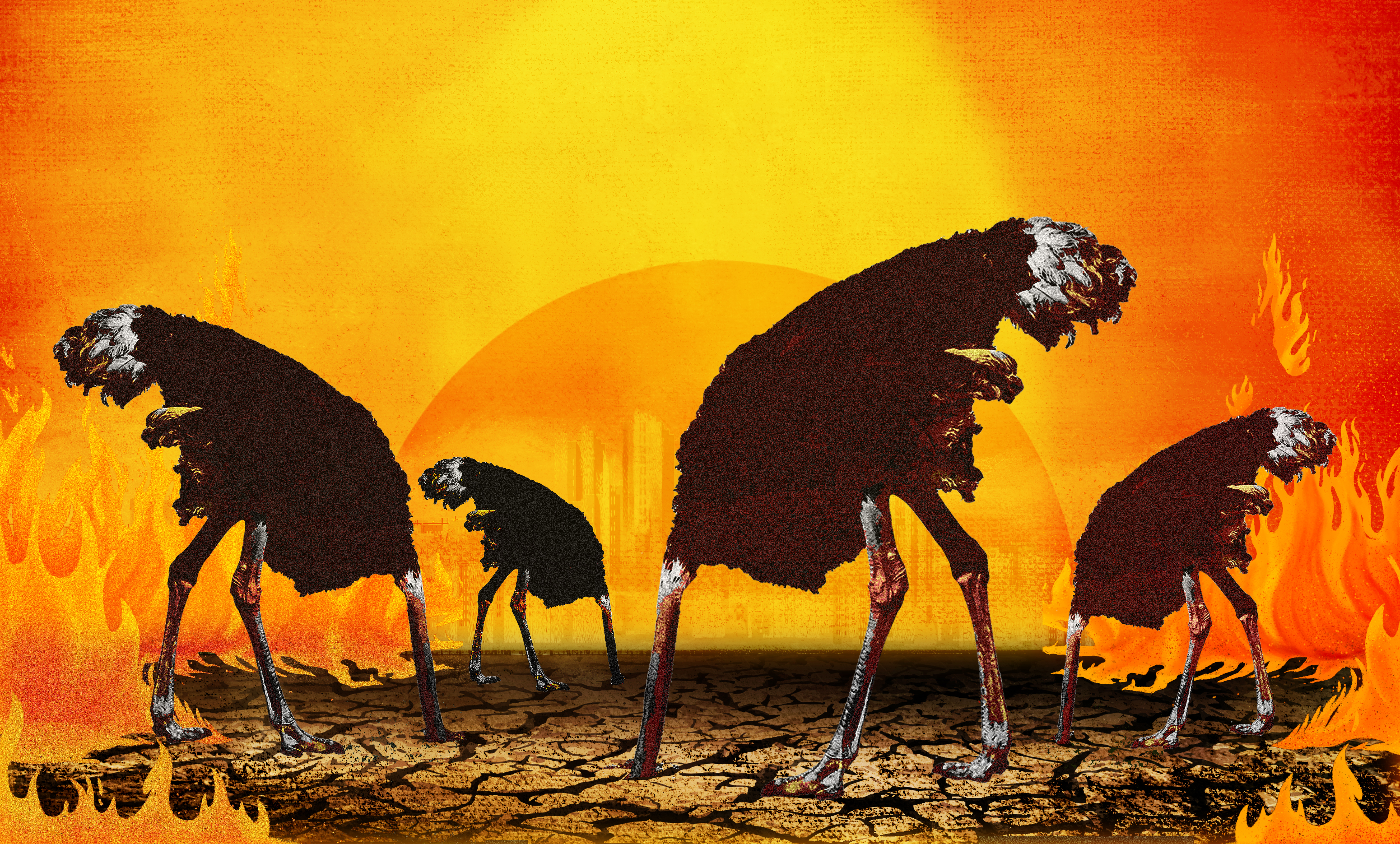
Natasha Walter: We’ve gone from climate denial to something worse – climate fatalism
The message in the western media, as global heating becomes undeniable, seems now to be that nothing can be done. That is unacceptable – especially for those in developing countries who are suffering so greatly from the crisis we created
Show Your Stripes
Visualising how the climate has changed for every country across the globe
Home - ClimateAction.Tech
The climate crisis is happening all around us. As tech workers, we can use our skills to take and accelerate climate action.

‘Overwhelming and terrifying’: the rise of climate anxiety
Experts concerned young people’s mental health particularly hit by reality of the climate crisis
Climate change deniers’ new battle front attacked
‘Pernicious’ campaign is unfair on well-meaning people who want to help – expert
The Gargantuan Lie That is Collapsing The World’s Climate
Thinking we have time left to address climate change, or that “Net Zero by 2050” will save us, is driving us toward full social collapse in ways that become more obvious with every new broken temperature record.
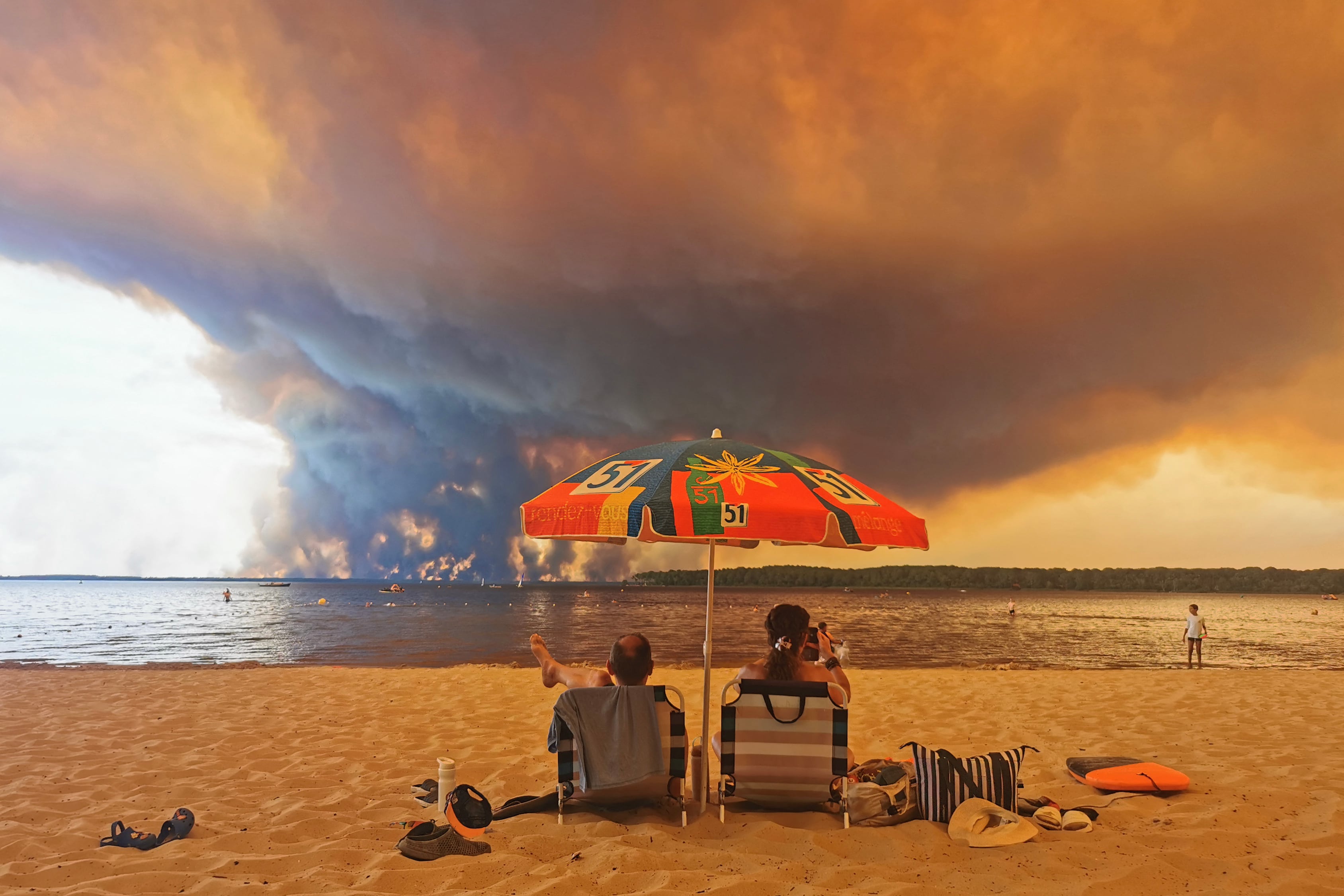
Climate change and conflict: The vicious cycles undermining climate action, and what can be done to break them
Abstract In this review, we synthesize evidence to argue that climate change and conflict are mutually reinforcing. We first examine conflict as a barrier to mitigation, focusing on four faultlines that slow climate action: (a) ideological polarization, (b) “elite versus ordinary people” narratives, (c) intranational, place‐based conflicts, and (d) international disputes. The consequence of these conflicts is worsening climate change, which in turn increases the prevalence of factors known to be conflict amplifiers: heat stress, economic stress, widening inequality, and forced displacement. Our analysis points to the potential for recursive “climate–conflict loops”, fuelled in part by erosion of institutional trust, shrinking moral circles, political polarization, and de‐prioritization of long‐term climate goals. In a spirit of optimism, however, we identify three buffers capable of breaking these vicious cycles: maintenance of procedural and distributive justice, enhancing information integrity, and scaffolding institutional cooperation. We conclude by proposing a research agenda that integrates psychological mechanisms into dynamic, multi‐level accounts of how climate impacts and political conflict coevolve.

The climate crisis: a war on the world
The climate crisis is a self-destructive war, with aggressors and victims

Mapping out the tribes of climate
Climate is a gravity well for talent, but why don’t other, equally impactful topics attract talent in the same way? Why isn’t everyone dropping everything to work on homelessness, or global poverty, or curing cancer? With many peers in tech now working on climate issues, I tried to understand why this topic holds such purchase for so many people – and its incredible staying power over the decades.
The Climate Movement Isn’t in Retreat, It’s Under Attack…and It’s Time to Fight Back | Newsletter
In 2020, a source shared a presentation with me from an internal branding workshop they’d been asked to attend for bp. It was fascinating for a number of reasons, not least because it indicated that the oil major felt genuinely threatened by a surprising new enemy: young people. There have always been ebbs and flows […]
The Climate Change Paper So Depressing It's Sending People to Therapy
On average, three people read an academic paper. At least 100,000 have read this—and a lot of them haven't taken it very well.
