

The hard part of writing software has never been the writing. It was building a working model of the domain in your head first. Before you could ship a payroll…
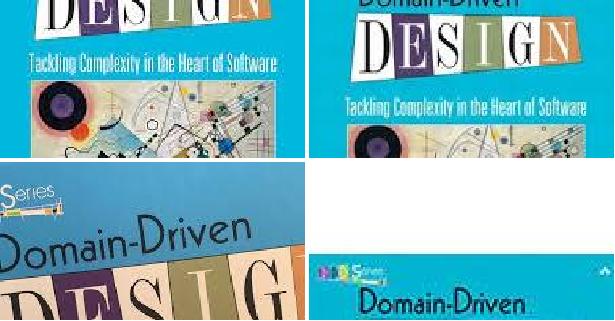
Domain-Driven Design: Tackling Complexity in the Heart of Software
Domain-Driven Design fills that need. This is not a book about specific technologies. It offers readers a systematic approach to domain-driven design, presenting an extensive set of design best ...
Hitting the High Notes
In March, 2000, I launched this site with the shaky claim that most people are wrong in thinking you need an idea to make a successful software company: The common belief is that when you’re …

Why Don't We Just Do This Together? - AT Protocol
Jim sits down with members of the core team building and governing Standard.site, the shared Lexicon for publishing longform writing on atproto. Brooke from pckt.blog, Jared from Leaflet, and Miguel from Offprint cover the design tradeoffs in creating a new shared format, tales of data migrations, strategies for shared governance, and why you shouldn't buy a premium domain name.

Open Source is Not Enough
by James Halliday // The open source movement has fundamentally changed how software gets written. But in the process, corporations have been given a vast gift of free labor.
Writing software is hard
Good software is uncommon because writing it is hard. In the abstract, we all know that it is hard. We talk incessantly about how it’s hard. And yet, we also collectively seem shocked — just shocke…

Liberatory Computing
We live under a capitalist mode of computing. The tools, languages, techniques, and assumptions of digital systems are structured by economic forces that shape not just what we can do, but what we can imagine doing. By separating production from use, producing inflexible software, and slicing up computing into siloed apps, your agency is held back by a tech industry that profits from a population rendered computationally passive.
Liberatory Computing
We live under a capitalist mode of computing. The tools, languages, techniques, and assumptions of digital systems are structured by economic forces that shape not just what we can do, but what we can imagine doing. By separating production from use, producing inflexible software, and slicing up computing into siloed apps, your agency is held back by a tech industry that profits from a population rendered computationally passive.
Software developers are not okay
Writing at the end of the world, from Hveragerði, Iceland
We should rethink how we teach people to code | deadSimpleTech
It's fair to say that the tech industry at the moment is not in a good place. Software engineers tend to be detached, demotivated and unwilling to care much about the work they're doing beyond their paycheck. Code quality is poor on the whole, made worse by the current spate of vibe coding and whatever other febrile ideas come out of Sam Altman's brain. Much of the software that we write is either useless or actively hurts people. And the talented, creative people that we most need in the industry are pushed to the margins of it.

The developer’s dilemma
When it comes to making money, software developers are an odd bunch. Developers produce code, and code is in high demand. At a glance, it…
The blue-collar WordPress worker and the 2,500+ websites built to grow the CMS
I'm not foolish enough to think that the entirety of WordPress' growth is driven by our love for the software, but that we consultants are responsible for

Malleable Software in the Age of AI - Geoffrey Litt
Software Should Be Allowed to Be Weird - Ewan’s Blog
A fairly large amount of the software I write would probably die in a corporate planning meeting. There would be questions about the target audience, the bu…
“They had no concept of a duty of care to their users.” – Unsung
A blog about software craft and quality
This is SO INCREDIBLY EXTREMELY valuable! Writing policy is really difficult, whether it's designed for humans or machines.

Dave Willner
At TrustCon this year I talked about a technique we’ve developed for automatically optimizing content-moderation policies, using an inversion of the binocular labeling approach Zentropi had already pioneered. Today we're shipping the tool that technique became. blog.zentropi.ai/optimizing-our-policy-optimiz…
The idea of a "tech industry" has always relied on "computer" being a special kind of medium, akin to alchemy. And if tech demands to be king, AI hype has now elevated LLMs to a king of kings. But the solipsism has hit a dead end. The only way forward is to recognize that computers are not special.

LLMs are just normal technology. But tech is just a normal medium.
productpicnic.beehiiv.com
