


This Budget provides real help, right now – and delivers new solutions to make life easier, safer and more affordable.
Opinion | The Tyranny of Convenience (Published 2018)
All the personal tasks in our lives are being made easier. But at what cost?

The cost of driving versus using a bike and transit (or: how to save over $7,000 a year)
I thought it would be fun to find out: how much money did I save in 2025 by cycling and using transit compared to using a car as my primary way of getting around?

Why efficiency is dangerous and slowing down makes life better | Psyche Ideas
The urge to do everything faster and better is risky. Far wiser to do what’s good enough for the range of possible futures


Connect, protect, and build everywhere
Make employees, applications and networks faster and more secure everywhere, while reducing complexity and cost.

Why We Can’t Figure Out Why Infrastructure Is So Expensive
And why it’s going to be so expensive to find an answer.

Bridging on a budget
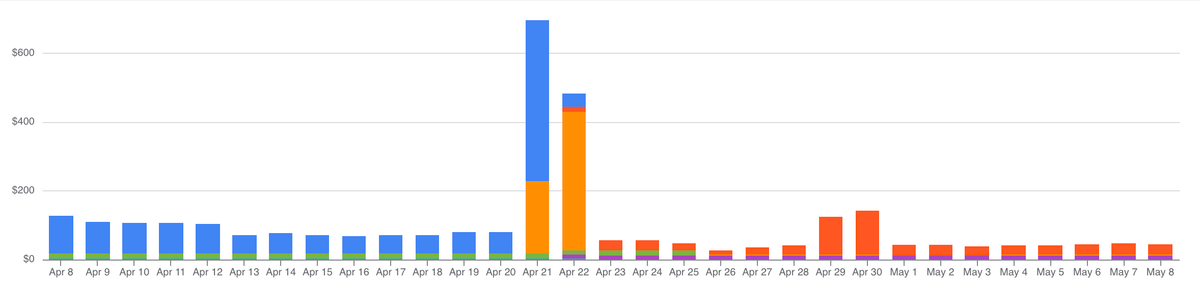
Over the last few months, instead of adding new features to Bridgy Fed or Bounce, I’ve been focusing on cost cutting. It’s not fun, exactly. I’d rather be building new things! But we’re a non-profit, surviving on grants and individual donations from people who don’
More Money For Better Open-Source Software
Make Housing Affordable | The Australian Greens
But housing is too expensive because Labor and the Liberals give special treatment to the big banks and the property industry. It doesn’t have to be this way.

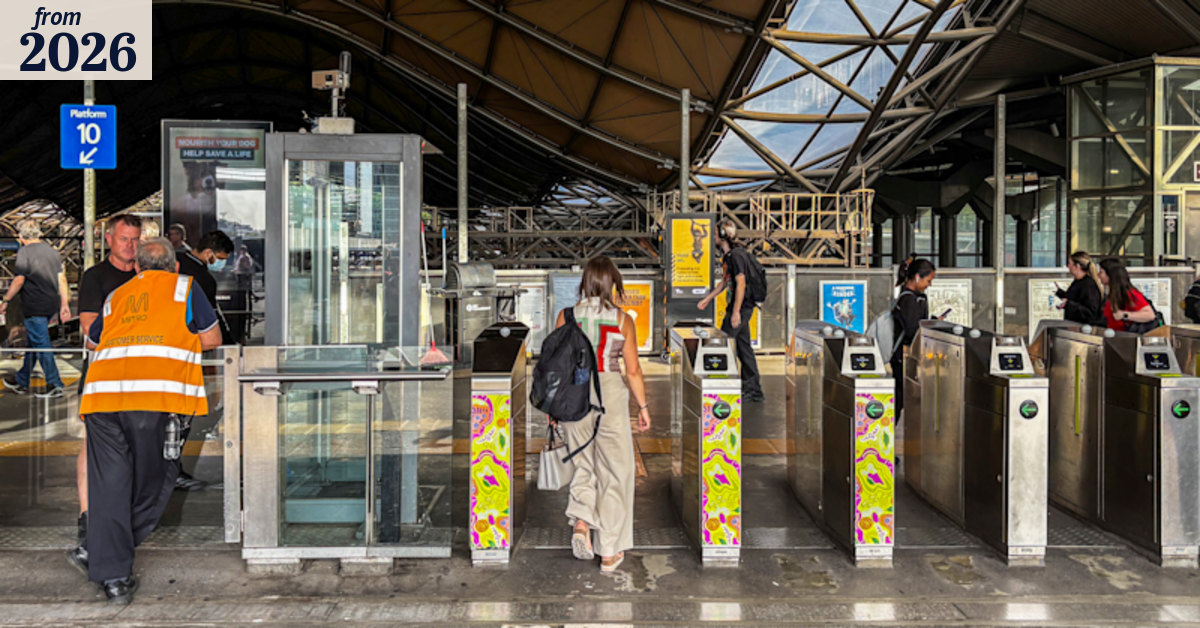
Enjoying free train rides? Here’s what it would cost to make it permanent
Would it make more sense to make public transport free forever, or spend the money brought in by fares on improving services?
Cash Works. Place and Amount Matter.
Two excellent new reports from our friends at the Economic Security Project make a strong case for direct cash — and reveal why rural, county-level research matters. Right on Time argues that cash is particularly effective during major transitions: * having a child * losing a job * leaving foster care or incarceration

Why Public Transportation Works Better Outside the U.S.
The widespread failure of American mass transit is usually blamed on cheap gas and suburban sprawl. But the full story of why other countries succeed is more complicated.

How three-day weekends can help save the world (and us, too) | Trellis
It's not just reduced emissions from less commuting that helps.

Can Consumers Make Affordable Care Affordable? The Value of Choice Architecture
Tens of millions of people are currently choosing health coverage on a state or federal health insurance exchange as part of the Patient Protection and Affordable Care Act. We examine how well people make these choices, how well they think they do, and what can be done to improve these choices. We conducted 6 experiments asking people to choose the most cost-effective policy using websites modeled on current exchanges. Our results suggest there is significant room for improvement. Without interventions, respondents perform at near chance levels and show a significant bias, overweighting out-of-pocket expenses and deductibles. Financial incentives do not improve performance, and decision-makers do not realize that they are performing poorly. However, performance can be improved quite markedly by providing calculation aids, and by choosing a “smart” default. Implementing these psychologically based principles could save purchasers of policies and taxpayers approximately 10 billion dollars every year.

