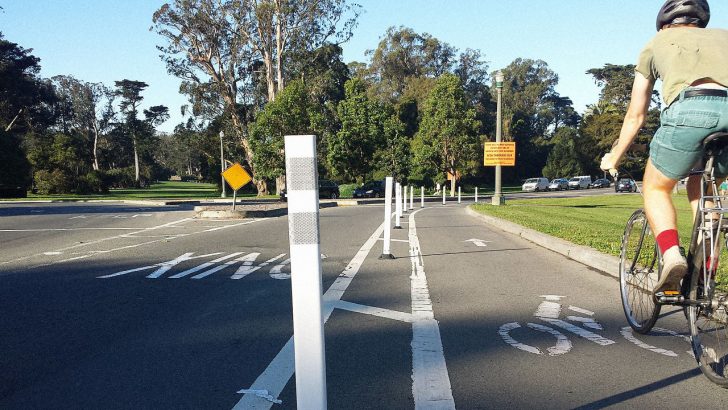
Research proves that bike lanes are good for business. So why do so many stores and restaurants still oppose them?
Chicago's Bike Lanes Don't Hurt Businesses, City Report Finds
As protected bike lanes face opposition in some neighborhoods, city-backed case studies found lanes in a half-dozen corridors have not contributed to a negative impact on economic activity.

When Adding Bike Lanes Actually Reduces Traffic Delays
In New York, smart street design helped the city have its safety and its speed, too.

Motorists in one of a Montreal’s busiest boroughs support bike lanes
There are real tensions between cyclists, motorists and pedestrians sharing the road, but Montrealers believe traffic-calming measures — bike lanes, speed humps and curb extensions — can improve safety for all road users.

Cycling Toward a Cooler Toronto | The Power of Bike Lanes
Why is the Trump administration calling bike lanes ‘DEI’? | Dave Schilling
The government apparently has an issue with paths for cyclists. Take it from someone who can’t ride a bike: this makes no sense
For Wealthy Chinese, Bicycles Become Status Symbols
Rich Chinese are buying bicycles that cost more than the average citizen makes in three years, motivated by nostalgia for the days when two wheels were the primary means of transport.

Opinion: The e-bike revolution is here. San Francisco isn’t ready for it
Bike commutes are up 52%, shared bike and scooter usage has doubled, and injuries are rising too. What the city needs isn’t a ban — it’s a backbone.
Reflection on Berkeley’s Bike Lane Drama
Hopkins bike lanes get approved for at least a third time. The drama won’t stop here.
Gov. Phil Murphy signs e-bike bill criticized by bike advocates • New Jersey Monitor
Bill supporters say they want to increase public safety. Critics say the bill targets low-income e-bike users.

Data From Millions Of Smartphone Journeys Proves Cyclists Faster In Cities Than Cars And Motorbikes
Real-time smartphone data from millions of actual journeys traveled by Deliveroo food couriers shows what bicycle advocates have long said: cycling is the swiftest way to get through town.

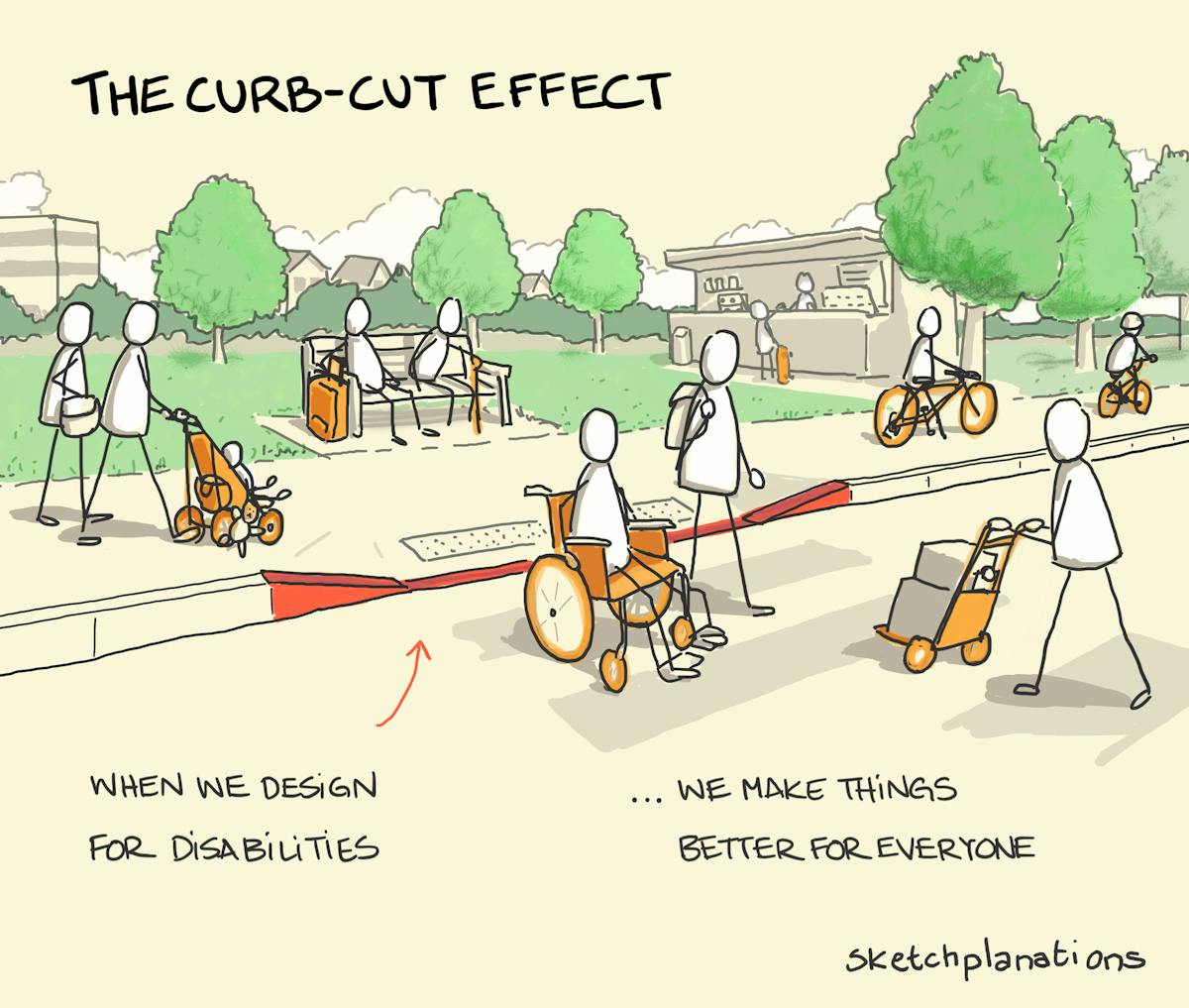
The curb-cut effect
The curb-cut effect illustrates how when we design to benefit disadvantaged or vulnerable groups we end up helping society as a whole. Angela Glover Blackwell explains how campaigning by students with disabilities in Berkeley in the early 1970s led to adding curb cuts to the Berkeley sidewalks to make access easier for those in wheelchairs. Yet it wasn't just people in wheelchairs that it helped. Curb cuts also made life easier for people pushing children in strollers, people using trolleys for deliveries, people pulling a suitcase, those wheeling bikes or on skateboards, and it also helps save lives by guiding people to cross at safe locations. Another example is adding closed captioning to TV that helps anyone watch in a noisy bar, a waiting room, or watching an airline safety video. Or a classic example of universal design in the OXO Good Grips range originally made to be comfortable for holding a peeler even if you have arthritis. It's also a useful analogy for "how laws and programs designed to benefit vulnerable groups, such as the disabled or people of color, often end up benefiting all," (PolicyLink) whether that be increasing broadband access, improving public transport or taking cuts out of curbs. Here's a short, fun video of Gary Karp explaining the curb-cut effect. Thanks to my patron Quintin Balsdon for sharing it with me.
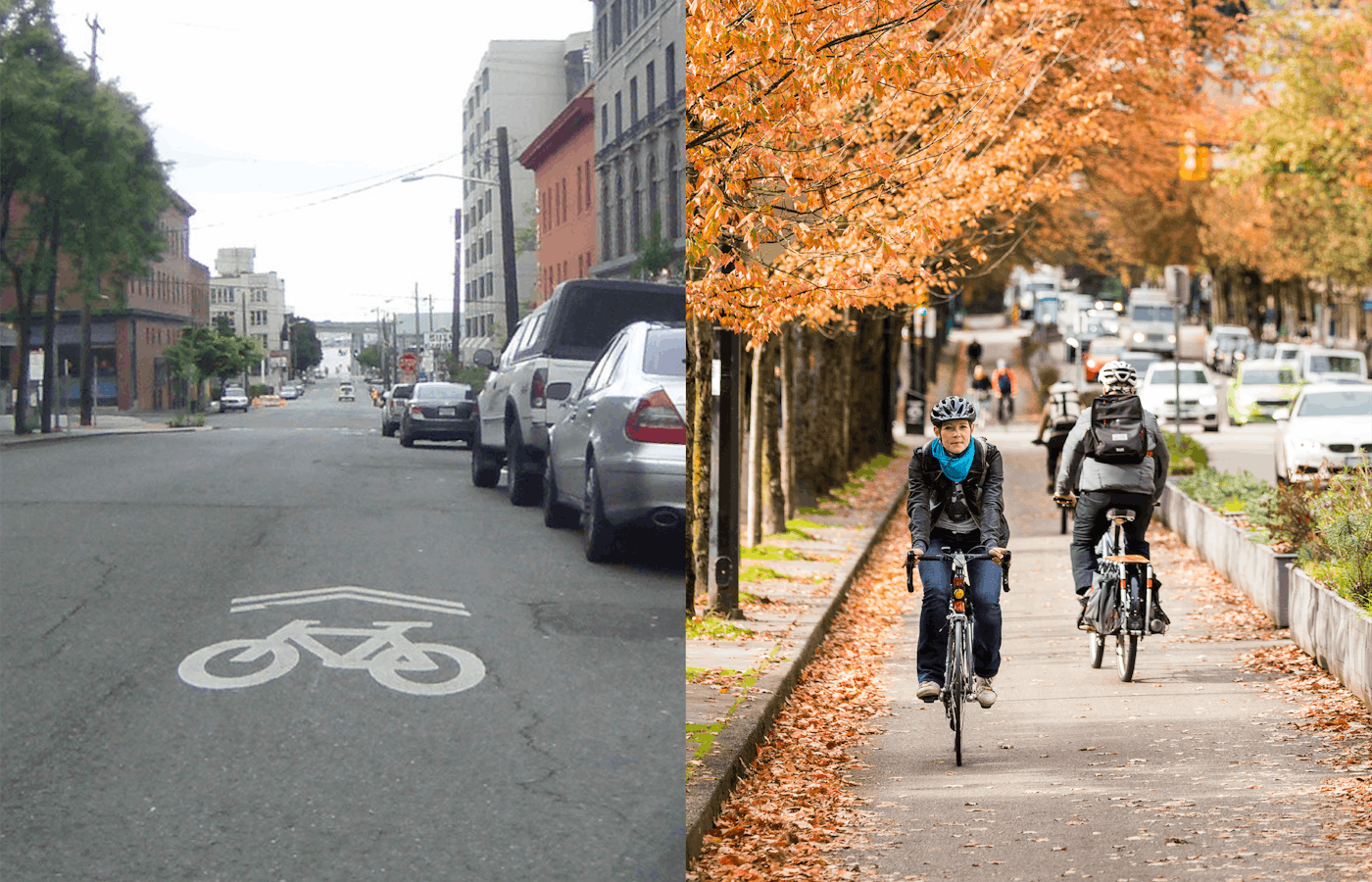
We Were Wrong About Sharrows | PeopleForBikes
It was the late 1990s and I thought we were so clever. We had just convinced the San Francisco Department of Parking and Traffic to incorporate an innovative new design into its bike plan, a bold statement conveying “bikes belong” right there in the middle of the street. I had first seen a shared-use marking, or “sharrow” — a white bicycle painted directly on asphalt — in photos of Paris and Chicago, put there to help bicyclists get through intersections by indicating their path of travel. In 1993, James McKay, a bike planner in Denver, used it on a trial basis to emphasize a bicyclist’s right to ride in the middle of the lane.
Rescuing Restaurants: How to Protect Restaurants, Workers, and Communities from Predatory Delivery App Corporations - American Economic Liberties Project
What the apps have done, instead of competing to serve customers and restaurants, is use Wall Street money to accumulate market power, raise barriers to entry, and then merge with each other and set up regional monopolies.The people who have invested tens of billions of dollars in the four dominant delivery apps tolerate huge short-term losses purely because they see the likelihood of monopoly power.

Taking imagery of bike lanes at risk and using it to help fix bike parking
We took street-level imagery on Bloor St, Yonge St, University Ave, Queen’s Park Cres, and Avenue Rd to create a digital record of bike lanes at risk from Ontario Bill 212 and to help analyze…

Guerrilla Bike Lanes: San Francisco Makes Illicit Infrastructure Permanent - 99% Invisible
When two cyclists were tragically killed in hit-and-run collisions this past summer, a group of anonymous urban activists known as the San Francisco Transformation Agency erected a set of protected bike lanes using traffic cones. Usually such guerrilla interventions are temporary. They raise awareness but ultimately get taken down by municipal authorities. But when the same group recently (and illegally)