


In an edited extract from his upcoming book <a href="https://www.amazon.com/dp/B07PS16XY9/" target="_blank">Ruined by Design</a>, Silicon Valley veteran Mike Monteiro explains how designers destroyed the world.
The Open Internet is Dead. What Comes Next?
Justin Hendrix spoke to Mallory Knodel and Burcu Kilic about their recent essay, titled "Big Tech Redefined the Open Internet to Serve Its Own Interests."
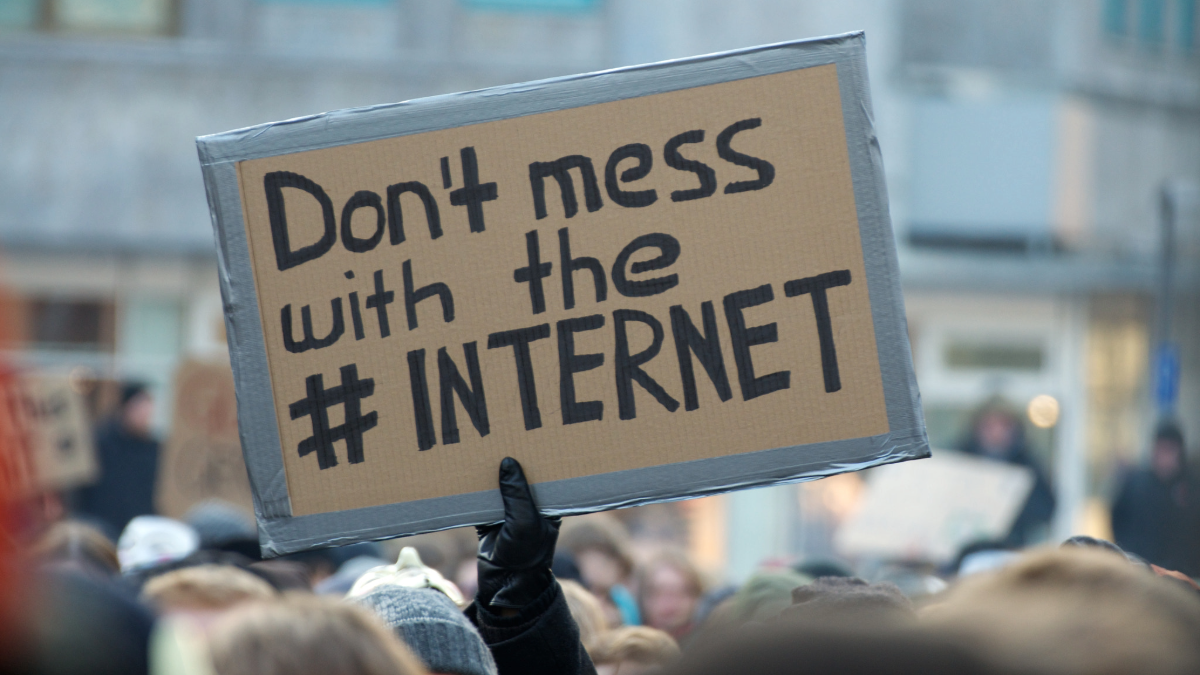
An Apology for the Internet — From the People Who Built It
Even those who designed our digital world are aghast at what they created. A breakdown of what went wrong.
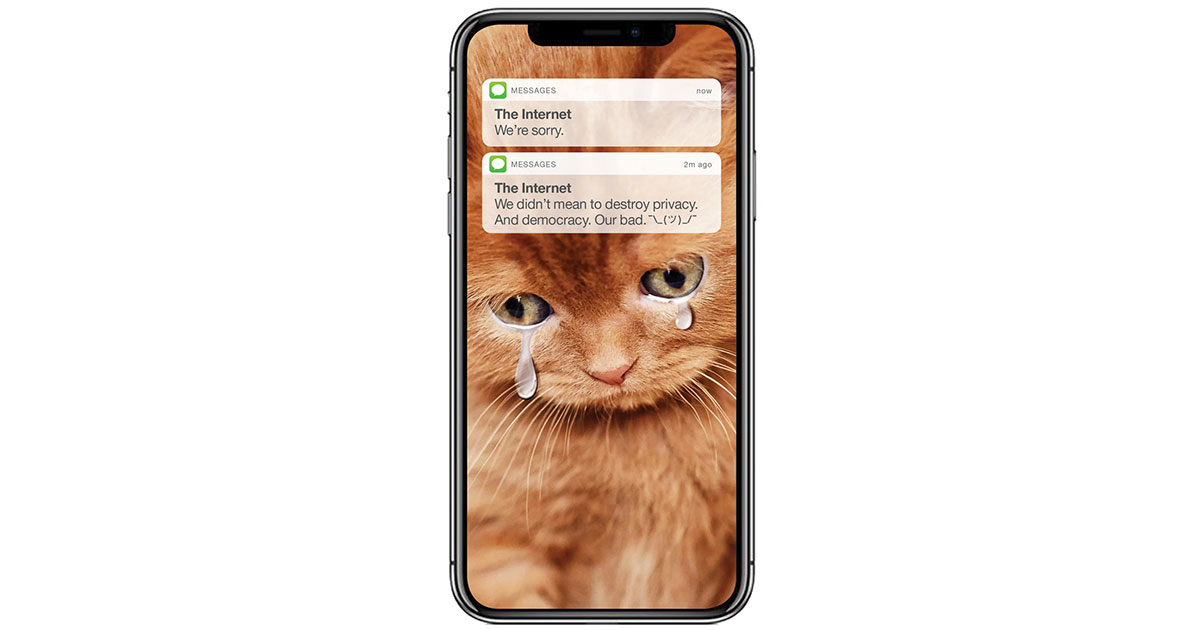
Please Let the Internet Die
Online spaces are captured by oligarchs and saturated with slop—and they’re exacerbating humanity’s worst impulses. It’s time to start over.

The Next Great (Digital) Extinction
How today's internet is rapidly and indifferently killing off many systems while allowing new types of organizations to emerge.

Internet for the People: The Fight for Our Digital Future
"For all the informational convenience the internet offers, it is deeply flawed. How can it be improved? Writer Ben Tarnoff proposes one possibility in this intriguing book, which urges the development of 'a public lane on the information superhighway.' It's worth checking out for yourself." – Seth MacFarlane Why is the internet so broken, and what could ever possibly fix it? In Internet for the People, leading tech writer Ben Tarnoff offers an answer. The internet is broken, he argues, because it is owned by private firms and run for profit. Google annihilates your privacy and Facebook amplifies right-wing propaganda because it is profitable to do so. But the internet wasn't always like this—it had to be remade for the purposes of profit maximization, through a years-long process of privatization that turned a small research network into a powerhouse of global capitalism. Tarnoff tells the story of the privatization that made the modern internet, and which set in motion the crises that consume it today. The solution to those crises is straightforward: deprivatize the internet. Deprivatization aims at creating an internet where people, and not profit, rule. It calls for shrinking the space of the market and diminishing the power of the profit motive. It calls for abolishing the walled gardens of Google, Facebook, and the other giants that dominate our digital lives and developing publicly and cooperatively owned alternatives that encode real democratic control. To build a better internet, we need to change how it is owned and organized. Not with an eye towards making markets work better, but towards making them less dominant. Not in order to create a more competitive or more rule-bound version of privatization, but to overturn it. Otherwise, a small number of executives and investors will continue to make choices on everyone’s behalf, and these choices will remain tightly bound by the demands of the market. It's time to demand an internet by, and for, the people now.
Should we design for iffy internet? | Hacker News
All of a sudden one day, I was cut off from all my music, by the creators of the iPod!
Alex Komoroske on Twitter / X
What if technology didn’t feel so… hollow?Some friends and I just released a manifesto about a world where tech leaves us feeling nourished (along with an evolving list of theses about how we can build it)https://t.co/sfKBVZ2zXr— Alex Komoroske (@komorama) December 5, 2025
Kill The Internet IRL in Austin TX
A night of philosophizing in the digital age of chaos and decay. Discussions with three online public philosophers on technology, privacy, and the state of our internet enmeshed civilization.The D...

The Boring Internet
The internet you grew up on isn't dying. A commercial veneer glued on top of it is.
The Boring Internet
The internet you grew up on isn't dying. A commercial veneer glued on top of it is.
When, How, and Why to Abandon the Internet
Should we abandon the internet? Voice memos from Douglas Rushkoff, Bridget Todd, Robin Berjon, Janet Vertesi and more on leaving, rebuilding or saving it.

About Us
Around the world, building the internet’s operating system—and a better way to work. In a world of tech companies fighting for growth at any cost, imagine one that gives away its most successful pr…

The Digital Sublime: Myth, Power, and Cyberspace
Interpreting the myths of the digital age: why we believed in the power of cyberspace to open up a new world.The digital era promises, as did many other te
The Internet is a Series of Webs
The fate of the open web is inextricable from the other ways our world is in crisis. What can we do about it?

The Internet, and how we've developed with it

Not "doomscrolling has killed our lives". But how, looking back, our enjoyment of the internet has shaped our experience of life.
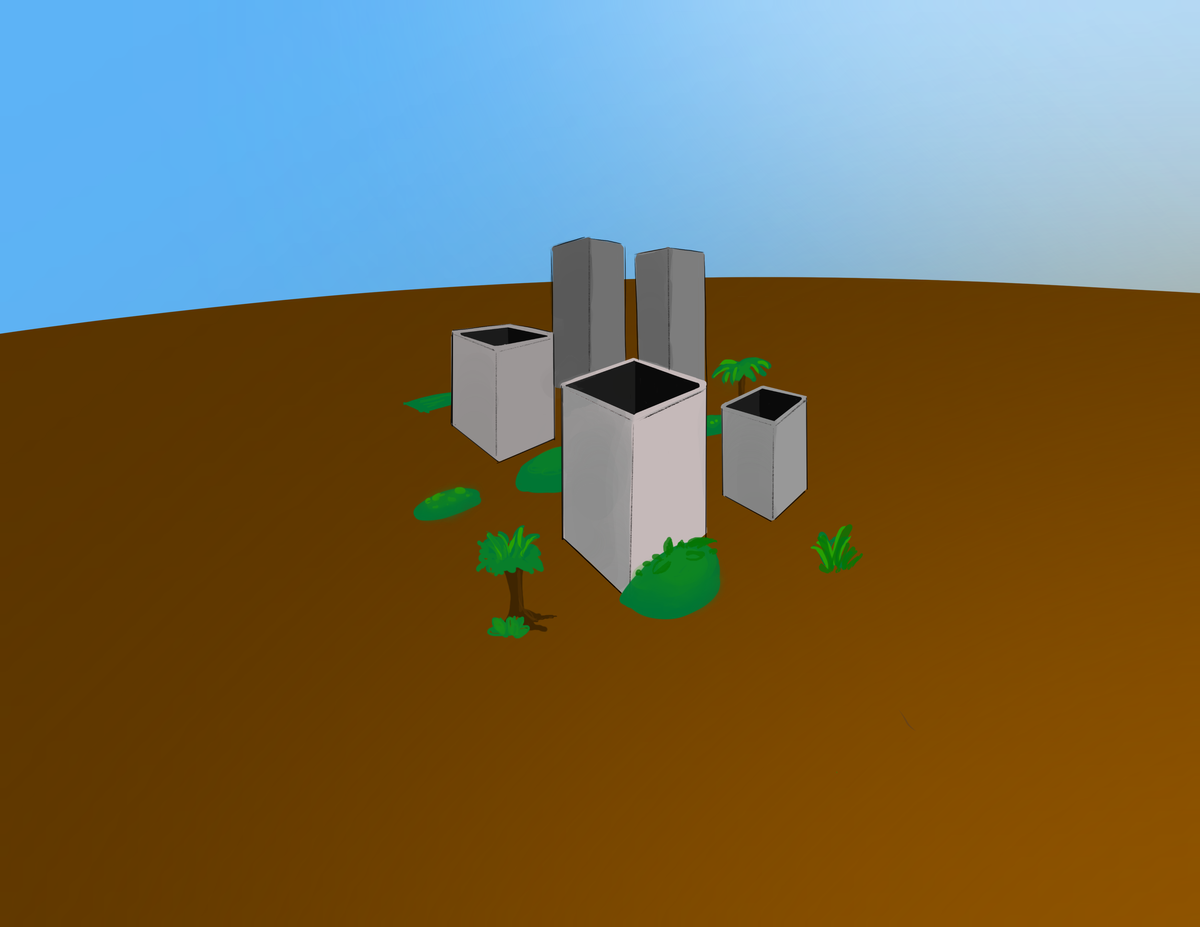
We can have a different web

My journey to the heart of the forgotten internet

VC&G | » My memories of what life was like before the Internet

Habbo Hotel Memories - Sneer Campaign
blogs.loc.gov

My old SoundCloud page is a time capsule