This page was updated on September 23rd 2024. Given their vast acreages and high water requirements, almonds are a controversial crop in California. They’ve also sparked disputes because they are largely an export crop, with 80% of the annual harvest shipped overseas. Here are some b
Amazon’s data centers used 2.5 billion gallons of water last year
Amazon’s using a lot of water, but claims it’s using it efficiently.

California produce supplier is sued, accused of causing E. coli outbreak unreported by FDA
An E. Coli outbreak in November killed one person and sickened at least 88 more. The FDA did not name a culprit, but victims blame Salinas produce supplier Taylor Fresh Foods.

State of the Water Industry
What topics and trends are driving the water community forward? Read the AWWA State of the Water Industry Report for data-driven insights into key issues.
https://www.thegardensaltspring.com/The Garden Salt Spring Island | cold-hardy citrus & avocado production in Canada | growing healthy soils & nutrient dense food | anaerobic digestion & Johnson-Su
The Garden is an innovative farm in Canada's Pacific Southwest. It focuses on developing resource-efficient systems for greenhouse and orchard production. It applies regenerative practices for on-farm nutrient cycling. The farm operates a small-scale anaerobic digester, has extensive rainwater catchment, and assesses progress with on-farm analysis of soil and plants using Soil Food Web microscopy, brix, and off-farm leaf sap analysis. Visit our blog, YouTube channel and workshop opportunities.
How much of a problem is AI’s water use?
AI’s water footprint is growing, but location and cooling technology make a difference.

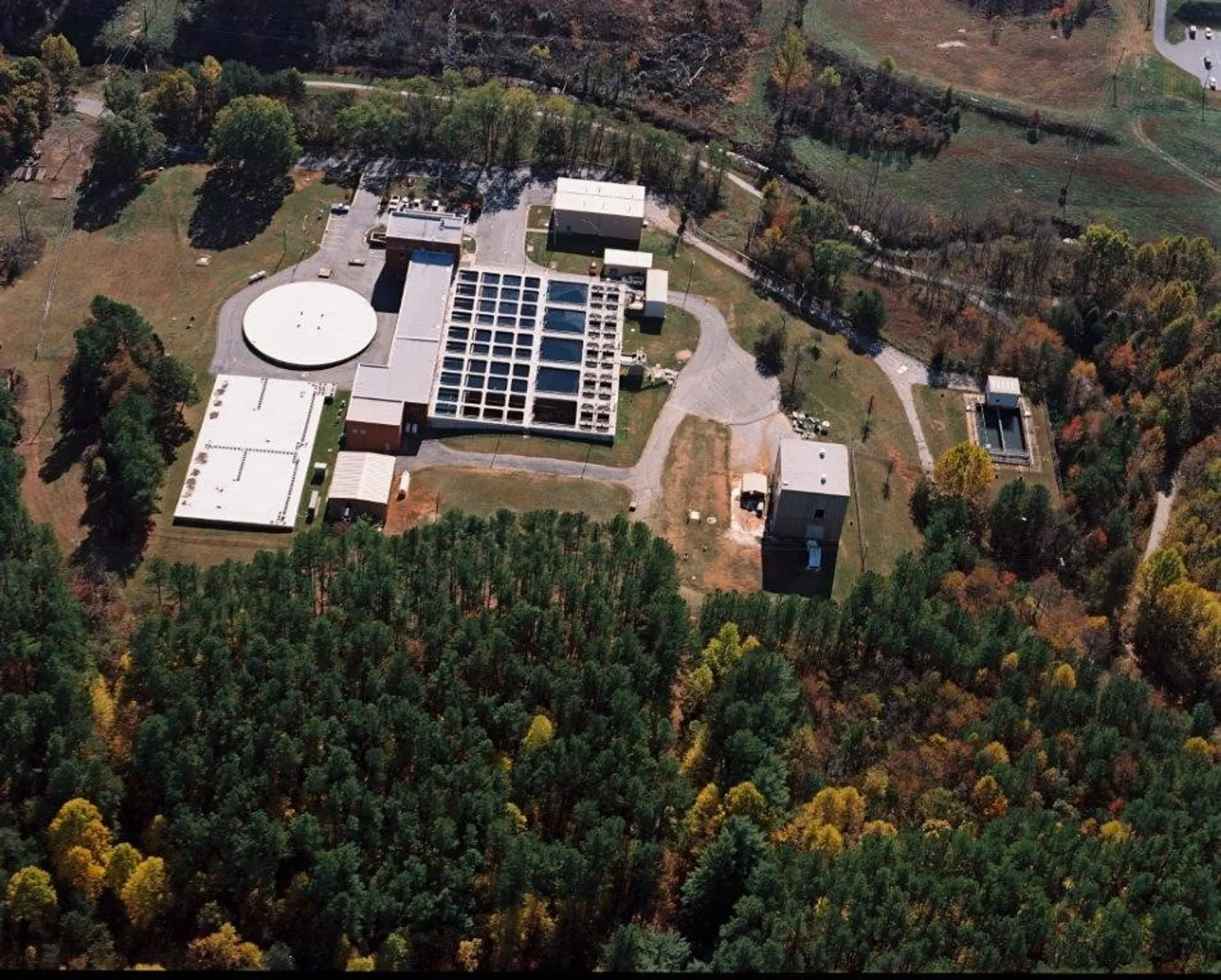
2025 Water Quality Report: Statesville Water Quality Report Released – All State & Federal Standards Met
The City of Statesville has released its 2025 Water Quality Report, confirming that the City’s drinking water meets or exceeds all health standards set by the U.S. Environmental Protection Agency (EPA) and the North Carolina Department of Environmental and Natural Resources (DENR).
Annual Reports | CAA
For archived content, please refer to the National Diet Library's Web Archiving Project (WARP).
Almost nowhere in California is building enough, according to the state. Here’s why
California ordered cities and counties to plan for 2.5 million new homes by 2030. Only five jurisdictions are on track to hit their numbers.

Download OpenStreetMap for Northern California | Geofabrik Download Server
Download OpenStreetMap data for Northern California for self-hosting or data analysis. OSM PBF and Shapefiles available.

Water Use Isn’t a Data Center Problem, It’s an AI Problem
Critics of the AI build-out are picking the wrong fight when they attack data centers for their water use. But they are right when they say the digital economy is getting thirstier and the tech industry should answer for it.The whole AI supply chain is water intensive, and reducing use in one ...

Emails show Amazon colluding with other firms to raise prices, California authorities allege
The previously redacted messages were unveiled as part of an antitrust battle with California attorney general Rob Bonta

Zucchini Banana Bread
Vegan zucchini banana bread with walnuts and warm spices. One bowl, no draining, no mixer. The answer to your zucchini and banana surplus.

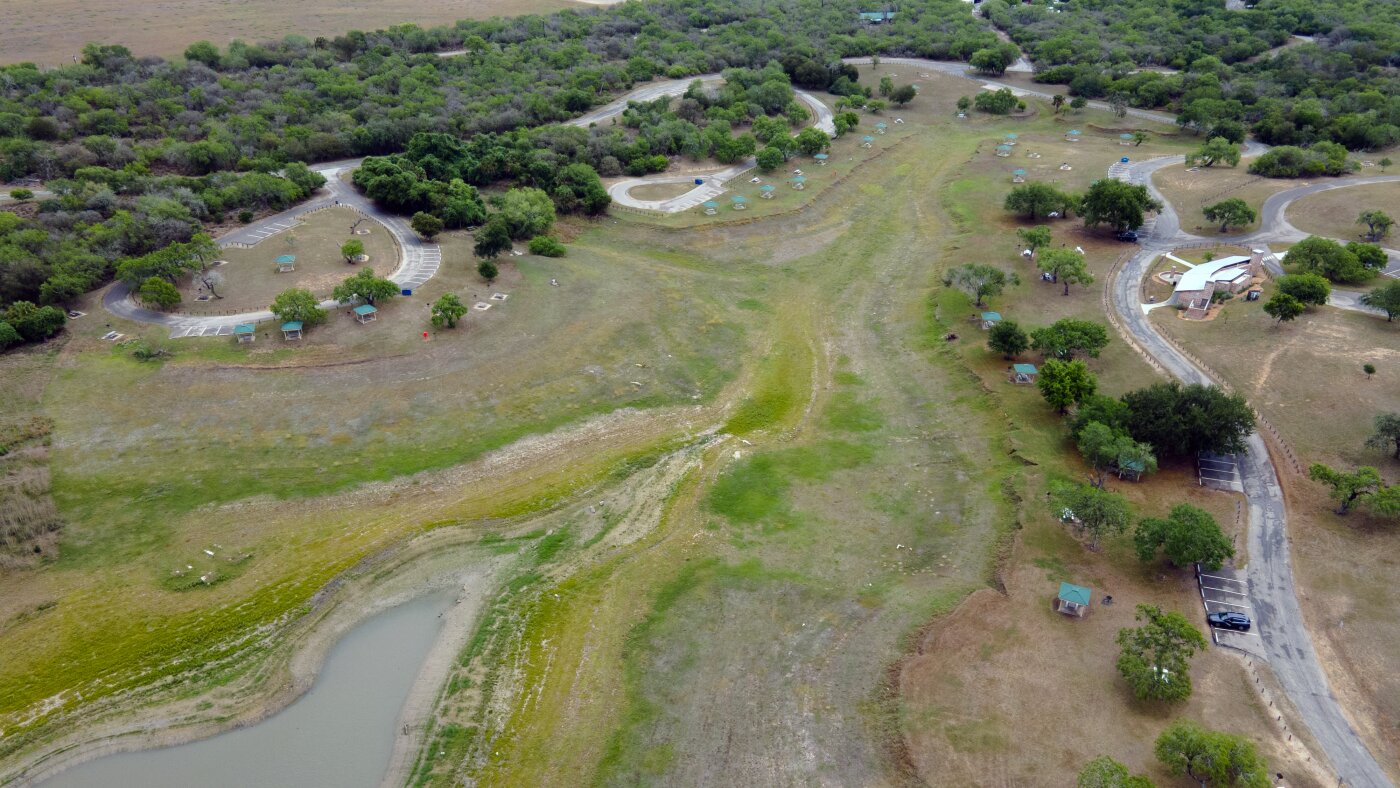
Texas coastal city faces worsening water shortage due to prolonged drought
After years of drought and rising demand, Corpus Christi's water supply is nearing critical levels, raising concerns for residents and one of the nation's largest energy hubs.
From Redlining to Greenlining: The Political Ecology of Race, Class, and Access to Green Space in Oakland, California from 1937-2020
Author(s): Corbin, Chryl Natasha Elaine | Advisor(s): Morelli-Frosch, Rachel | Abstract: Since the 1960s, Oakland, California, has been represented as a predominantly African American, low-income, and high crime urbanity. In the 2000s, the municipality started to become recognized as a top green city, and by the 2010s the city began to emerge as a gentrification hot spot. This dissertation elucidates how the relationships between race, class, housing, and access to green spaces have changed from redlining—prior to the Civil Rights Acts of 1964, 1965, and 1968—to 2020, after Oakland adopted an environmental agenda and began to establish itself as a green city starting in the 1990s. I question how Oakland’s urban environmental “sustainable development” agenda has impacted residents’ access to green spaces, and to what extent and how are these policies and practices creating, exacerbating, and/or mitigating urban environmental (in)justice issues. I examine both sides of environmental (in)justice, uneven distribution of environmental harms and the uneven development of environmental goods in which low-income residents and communities of color are disproportionally exposed to environmental hazards while also being prevented from benefiting from environmental amenities. I interrogate Oakland as a 21st century sustainable green city while also examining the historical urban policies and practices embedded in legal residential segregation and the current green gentrification processes which influence and contribute to the environmental (in)justices being (re)produced today.

When it comes to total water use, AI data centers are a drop in the bucket
Even moderately sized data centers can have an outsized local impact.

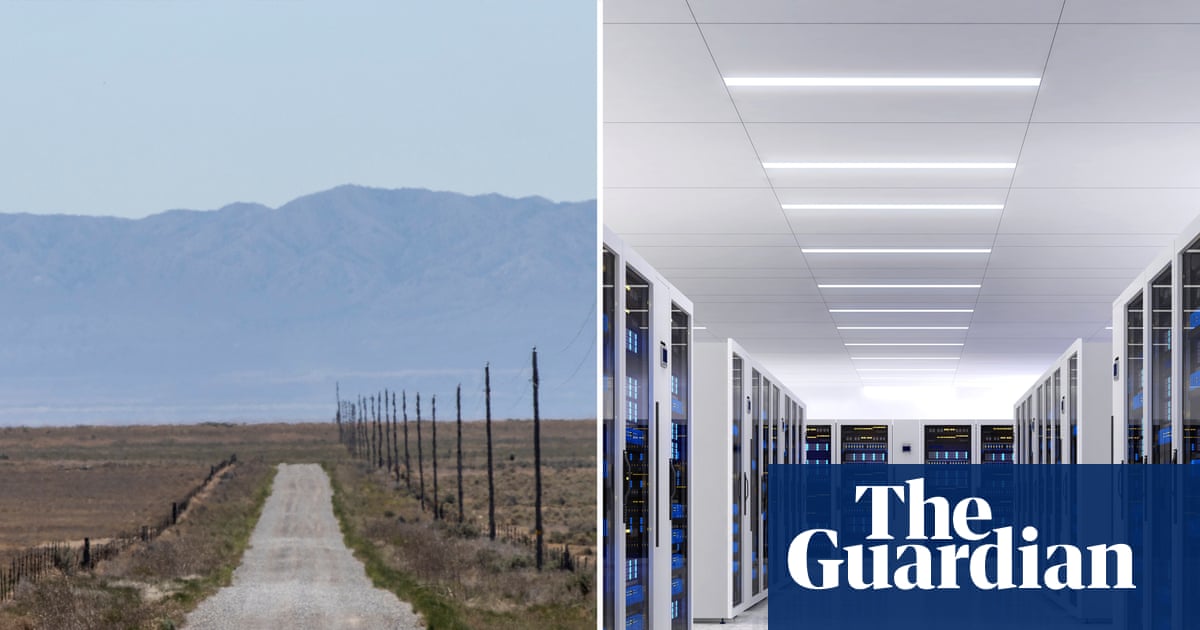
Majority of US’s new AI datacenters to be built on drought-hit land
Guardian analysis finds facilities to be built in some of the driest areas as outcry grows over water needed to power AI