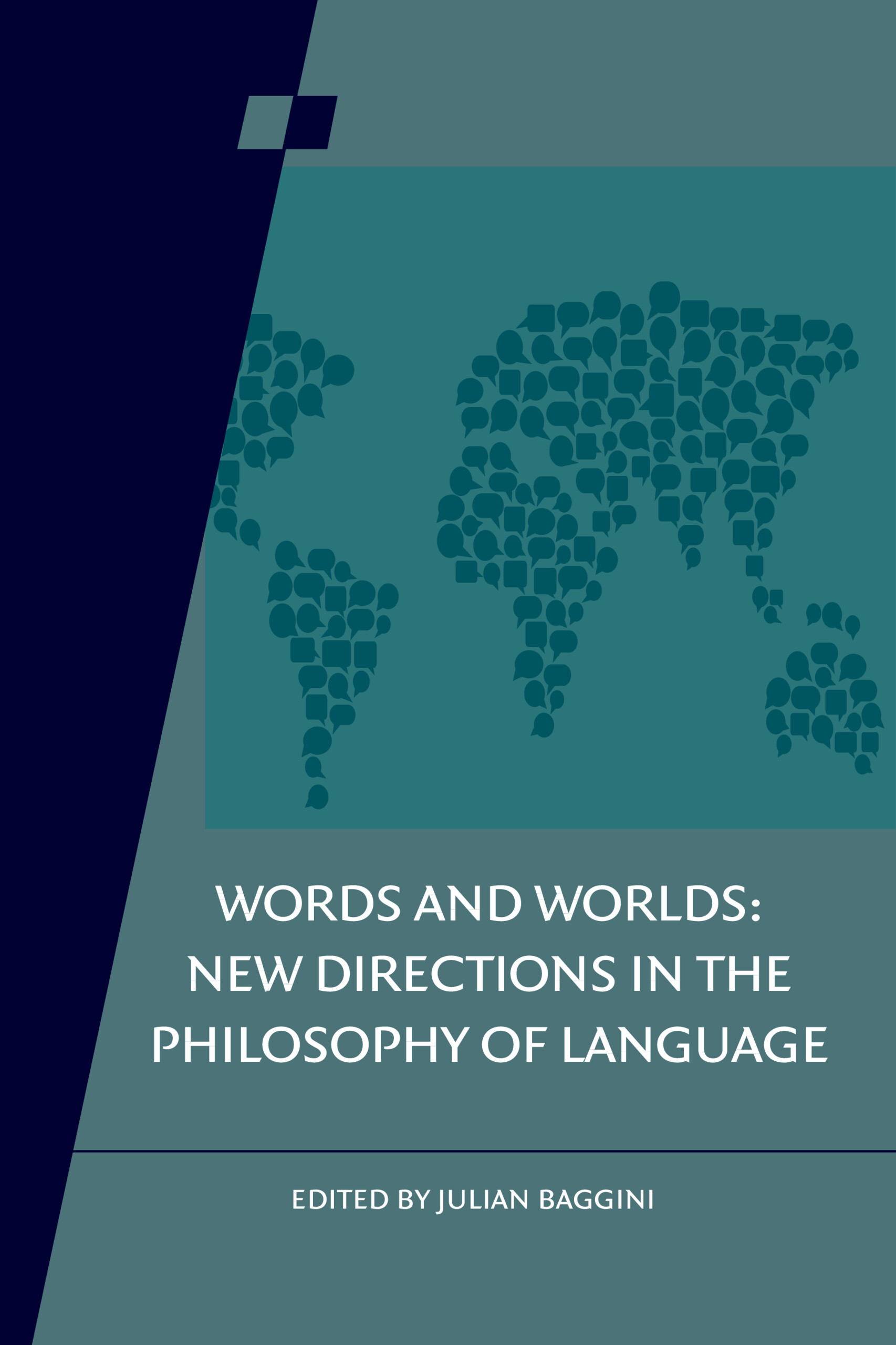
Is philosophy like plumbing? I have made this comparison a number of times when I have wanted to stress that philosophising is not just grand and elegant and difficult, but is also needed. It is not optional. The idea has caused mild surprise, and has sometimes been thought rather undignified. The question of dignity is a very interesting one, and I shall come back to it at the end of this article. But first, I would like to work the comparison out a bit more fully.
Learn Your Philosophical Beliefs | ClearerThinking.org
Find your direction in life with our philosophical compass, a tool to explore your beliefs, values and purpose!

Daily Dose of Philosophy on Twitter / X
"Love is not what you say. Love is what you do."— Daily Dose of Philosophy (@PhilosophyDose_) October 12, 2026
A Manifesto for a Future Philosophy (guest post) - Daily Nous
“This project of re-envisaging, looking at past ideas, and developing new ones to deal with our difficult situation will take the work of many people…” […]
The Transformative Potential of Asian Philosophies | Epoché Magazine
A free online philosophy magazine, delivered monthly
(PDF) Building a Conceptual Framework: Philosophy, Definitions, and Procedure
PDF | In this paper the author proposes a new qualitative method for building conceptual frameworks for phenomena that are linked to multidisciplinary... | Find, read and cite all the research you need on ResearchGate
Why Context Matters: Or, Where Did Anglo-American Philosophy Go Wrong? - Imprint Academic
Why were so many luminaries of European philosophy — such as Bergson, Heidegger, Husserl, Merleau-Ponty, and Sartre, even Marx and Freud — kept out of the philosophy curriculum of Anglo-American universities for most of the 20th century? Why were the schools of philosophy they founded derided as continental philosophy and deemed more suitable for the departments of literature and psychology than philosophy? This book argues that the institutionally sanctioned contrast between allegedly legitimate philosophy and its spurious continental counterpart became entrenched thanks to two intertwined metaphysical presuppositions at the heart of positivism. The first is the principle that higher-level complex systems are epiphenomenal. The second is that all causes are mechanical. In contrast to their continental European counterparts, Anglo-American metaphysicians and philosophers of science repeatedly resisted the idea that higher level phenomena might be, ontologically-speaking, relational. This book proposes that, had the alternative path that emphasizes context-dependence been selected, a scientifically respectable relational ontology might have come to inform Anglo-American metaphysics and epistemology as well as the actual practice of science — without falling prey to non-natural deus ex machina proposals. Four female British philosophers at Oxford during WWII attempted to do exactly that. Anscombe, Foot, Midgley, and Murdoch raised serious objections to Oxbridge’s Newton-inspired Positivism as early as the 1940s. The four good friends advocated for a context-dependent worldview. This book situates the four women philosophers’ valiant challenge to the entrenched paradigm as a case study of exactly why and how context matters. Paperback 165 pp. £14.95

Assemblage (philosophy)
Assemblage (from everyday French: agencement, – arrangement, layout, "a collection of things which have been gathered together or assembled") is a philosophical concept developed by Gilles Deleuze and Félix Guattari[1] and subsequently taken up by other theorists, such as Bruno Latour and Michel Callon who developed actor-network theory,[2] Manuel DeLanda in his work on assemblage theory,[3] and Jane Bennett who combines Latour with Deleuze and Guattari forming her own assemblage theory.[4][5][6] Bennett’s assemblage thinking has influenced environmental philosophy (e.g. Timothy Morton’s Hyperobjects), political theory (e.g. William Connolly’s work on complexity and politics), and new materialism (e.g. Rosi Braidotti, Karen Barad).
Should Philosophy Retire?
Richard Rorty thought philosophy’s days were numbered and spent most of his career explaining why.

philosophy for life on Twitter / X
“Your mind is your greatest power and your greatest prison.”- Marcus Aurelius— philosophy for life (@philosophy_life) October 11, 2026
Why read old philosophy?
I’m going to try to explain a mystery that puzzled me for years. This answer finally dawned on me in the middle of one of those occasional conversations in which non-perplexed friends patiently try…

- 1000-Word Philosophy: An Introductory Anthology
Welcome to 1000-Word Philosophy: An Introductory Anthology, an ever-growing set of essays on philosophical questions, theories, figures, and arguments.

philosophy for life on Twitter / X
“Any fool can know. The point is to understand.”- Albert Einstein— philosophy for life (@philosophy_life) October 11, 2026
Aesthetics
Aesthetics[a] is the branch of philosophy that studies beauty, taste, and related phenomena. In a broad sense, it includes the philosophy of art, which examines the nature of art, artistic creativity, the meanings of artworks, and audience appreciation.
Philosophy Tube
Philosophy Tube
Process Philosophy, Aesthetic Judgment, and the Field of Freedom
Reflections on Whitehead's Process Philosophy