

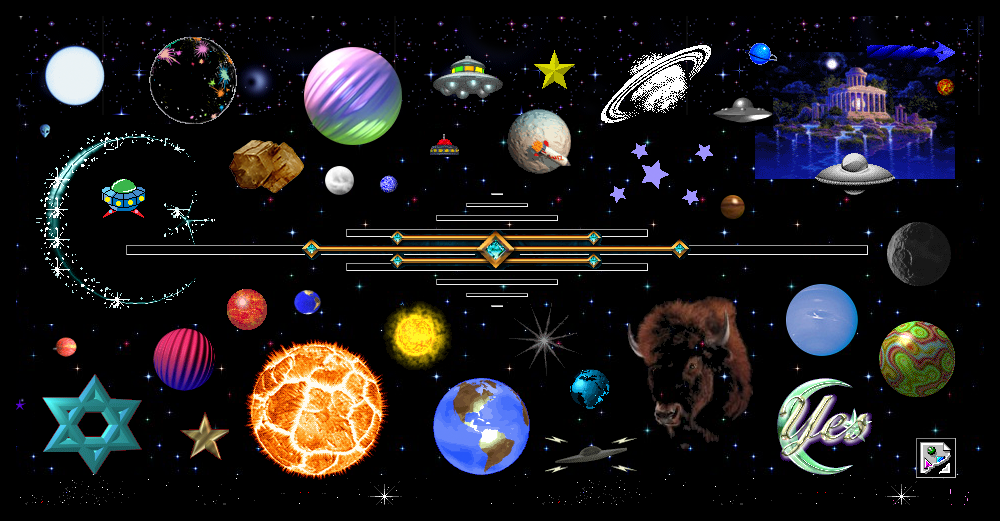
🌍 A web-collage of text and images excavated from the buried neighbourhoods of GeoCities.
your long-form atmosphere · pub search
what you publish, who reads it, your semantic neighborhoods, and what you recommend
GeoCities in 1995: Building a Home Page on the Internet
GeoCities, known throughout most of 1995 as Beverly Hills Internet, is one of the first commercial internet services to make it easy for people to publish a home page on the World Wide Web.


The Dark Forest and the Cozy Web
An illustrated diagram exposing the inner layers of the dark and cozy web
Home Page
We are an international community of communities bound by a common interest in persistent infrastructure. So far, we have welcomed agencies that manage communities spanning entertainment, standards, the built environment, natural history collections, scholarly communications, and research data.
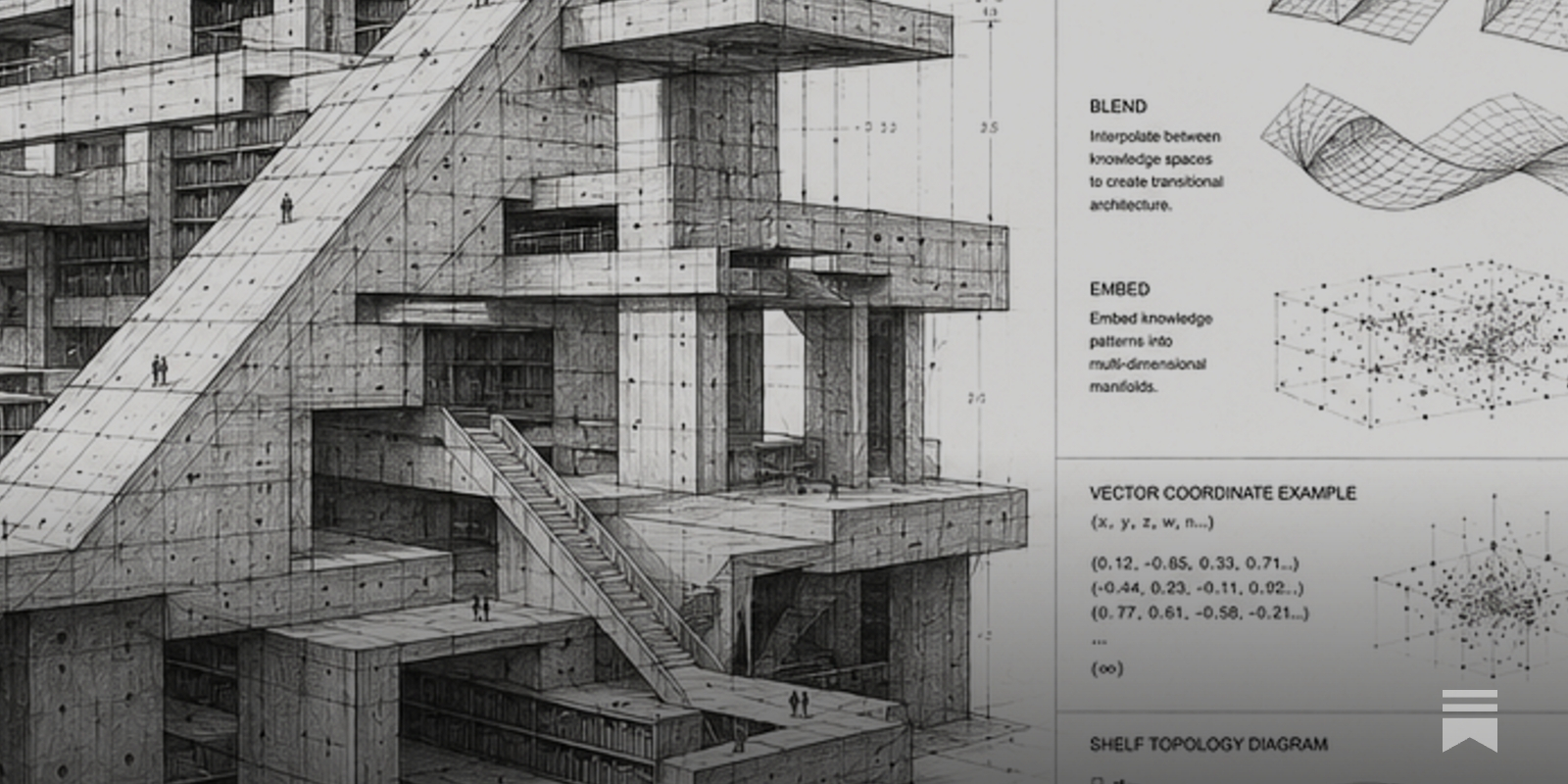
The Skeleton Library
On Interpolatable Archives, Part 1: Compulsions to Connect, Warburg, Borges and Goldsmith, Cultural Technologies and Digital Oralities
Search the world's information, including webpages, images, videos and more. Google has many special features to help you find exactly what you're looking for.
Search the world's information, including webpages, images, videos and more. Google has many special features to help you find exactly what you're looking for.
Search the world's information, including webpages, images, videos and more. Google has many special features to help you find exactly what you're looking for.
homepages.news — News Homepages documentation
An open-source archive that gathers, saves, shares and analyzes news homepages