


Trade associations and conferences won't solve what's wrong with online advertising
Why Stack Overflow Doesn’t Care About Ad Blockers - Stack Overflow
Hi! I’m Steve Feldman, Senior Ad Ops Manager at Stack Overflow. My whole life I’ve been fascinated by advertising. Even as a kid, I wondered what a company was trying to tell me by using one word instead of another in an ad. Over time, I developed a strong (read: subjective) opinion of what makes an ad ’good,’ and what makes an ad ’bad.’ It took me many years-- in fact, it wasn’t until joining the Ad Sales team at Stack Overflow-- to finally figure out that the common thread shared by the best ads is relevance. Maintaining that relevance is how we’ve managed to avoid one of the biggest issues facing publishers today: ad blocking.

uBlock Origin - Free, open-source ad blocker extension
uBlock Origin is a free, open-source ad blocker extension and content blocker. Block ads on YouTube, Twitch, and across the web with low CPU and memory usage. Available for Firefox, Edge, Opera, and Chrome via uBlock Origin Lite.

Thank you for ad blocking | thankyouforadblocking.com is a public awareness campaign focused on increasing awareness about the danger associated with online advertising.
I became interested with the topics of privacy and internet user rights more than 20 years ago in my native Finland, which at the time was toted as the first information society in the world. I was one of the first commercial internet developers, and became fascinated with the user data aspect of the internet the moment I saw awstats for the first time. It was an early server-log based web analytics solution, in the time when there were no tracking tag based solutions available. The idea of allowing 3rd-party tags on websites came later. Today it is not hard to find premium websites with more than 100 such 3rd-party tags.
Privacy vs. Profit: The Impact of Google's Manifest Version 3 (MV3) Update on Ad Blocker Effectiveness
Google's recent update to the manifest file for Chrome browser extensions, transitioning from manifest version 2 (MV2) to manifest version 3 (MV3), has raised concerns among users and ad blocker providers, who worry that the new restrictions, notably the shift from the powerful WebRequest API to the more restrictive DeclarativeNetRequest API, might reduce ad blocker effectiveness. Because ad blockers play a vital role for millions of users seeking a more private and ad-free browsing experience, this study empirically investigates how the MV3 update affects their ability to block ads and trackers. Through a browser-based experiment conducted across multiple samples of ad-supported websites, we compare the MV3 to MV2 instances of four widely used ad blockers. Our results reveal no statistically significant reduction in ad-blocking or anti-tracking effectiveness for MV3 ad blockers compared to their MV2 counterparts, and in some cases, MV3 instances even exhibit slight improvements in blocking trackers. These findings are reassuring for users, indicating that the MV3 instances of popular ad blockers continue to provide effective protection against intrusive ads and privacy-infringing trackers. While some uncertainties remain, ad blocker providers appear to have successfully navigated the MV3 update, finding solutions that maintain the core functionality of their extensions.

This $0 netbook server blocks ALL ads (micro server)
Ads and Ad blockers
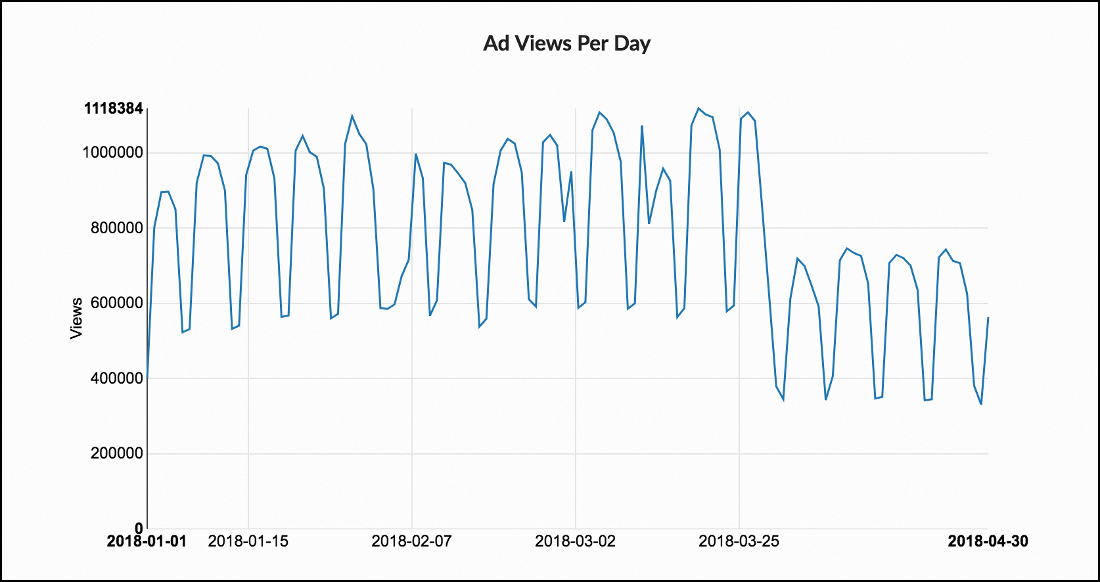
Last time, we shared how ethical advertising works to keep Read the Docs sustainable without creepy ad targeting. This time, we will share about one of our biggest challenges with advertising. At the beginning of April, Read the Docs was added to one of the most popular ad block lists: the Easyli...
Dare Obasanjo (@carnage4life@mas.to)
The decline of the advertising supported internet is inevitable yet sad. Tech has been unique in being an equalizer. A poor Nigerian kid, a techie in the US or Jeff Bezos all used the same apps and websites. Now many charge $5-$15 per month creating a huge financial divide. Online advertising is a progressive form of taxation as the rich, mostly US-based consumers who buy goods & services from ads subsidized the internet for everyone else. We now live in the flat tax version of the internet.
Anthropic’s Third-Party Harness Ban and Why it Matters for Enterprise
On April 4th, Anthropic cut off Claude Pro and Max subscribers from routing their flat-rate, OAuth usage through OpenClaw and other…
Facebook’s Attack on Research is Everyone's Problem
Facebook recently banned the accounts of several New York University (NYU) researchers who run Ad Observer, an accountability project that tracks paid disinformation, from its platform. This has

wukko on Twitter / X
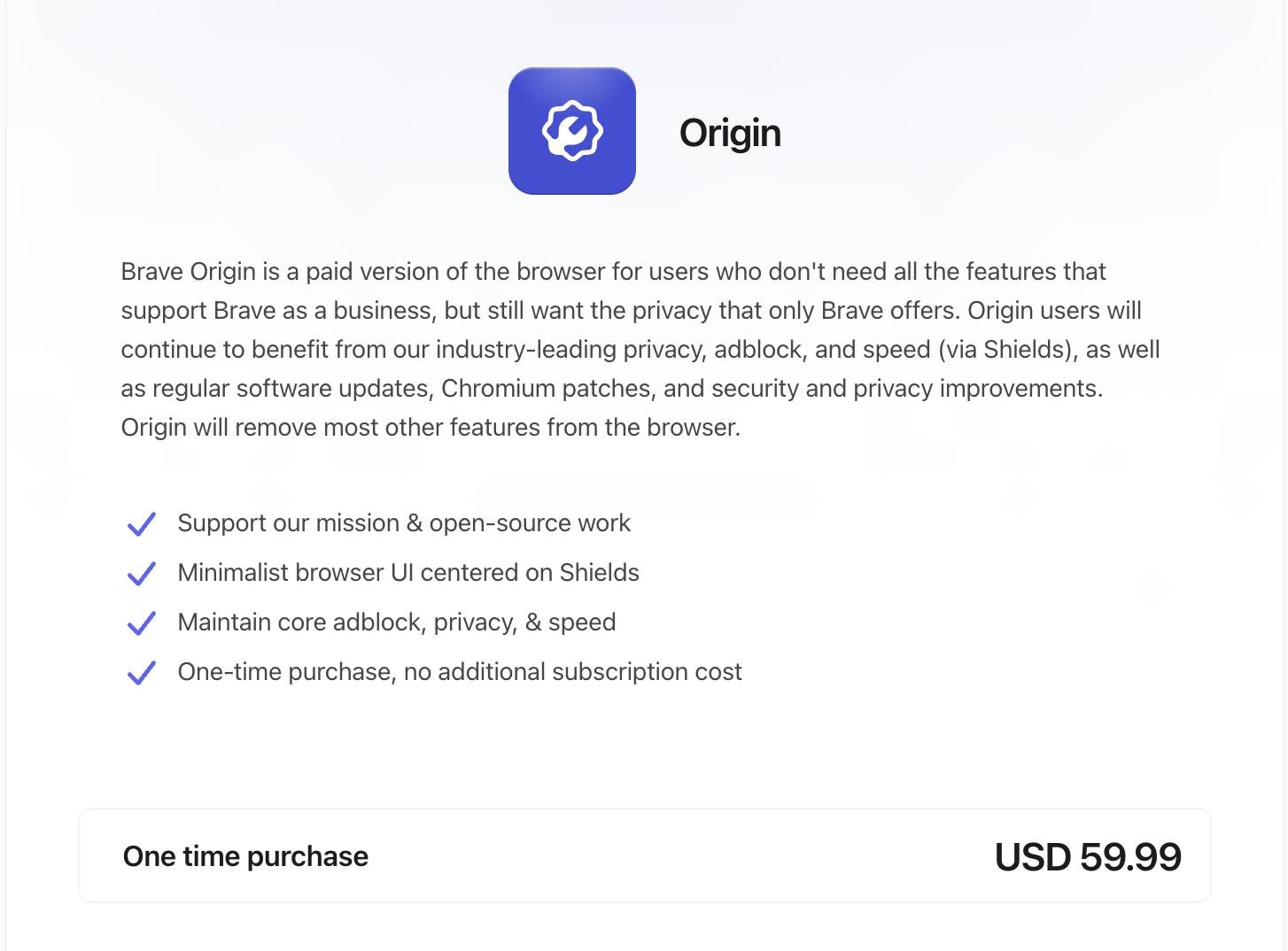
maybe i should start selling a chromium browser with an ad blocker for $60 too https://t.co/4kRPDwOrd6 pic.twitter.com/peLwQtvFNZ— wukko (@uwukko) April 12, 2026
Everything is Changing; So Should Antitrust
WPP is dealing with not only a changing advertising industry but a changing world, thanks to the Internet. Antitrust needs to change as well.

The Aggregator Paradox
Google is winning with AMP and blocking ads in Chrome: both seem bad, but aren’t they actually good for consumers? That is the paradox of aggregation.

A new paper examines blocking on Bluesky: "…blocking does not decrease the popularity and activity of the blocked users and has a limited effect on the social graph." There is a lot more nuance in here. h/t @index.internet.exchangepoint.tech.ap.brid.gy openaccess.city.ac.uk/id/eprint/36822/
City Research Online - Open or Blocked Skies? Community Moderation Practices in Bluesky
openaccess.city.ac.ukFor our first launch of the year, we're kicking off with more blocking features! Rolling out today: ATProto across Bluesky, Blacksky, and any other PDS can apply domain blocklists to Bridgy Fed. Blocks come with if you Bounce, and we even added a handy list of reputable blocklists to choose from.

Launch: Domain Blocklists
blog.anew.social
