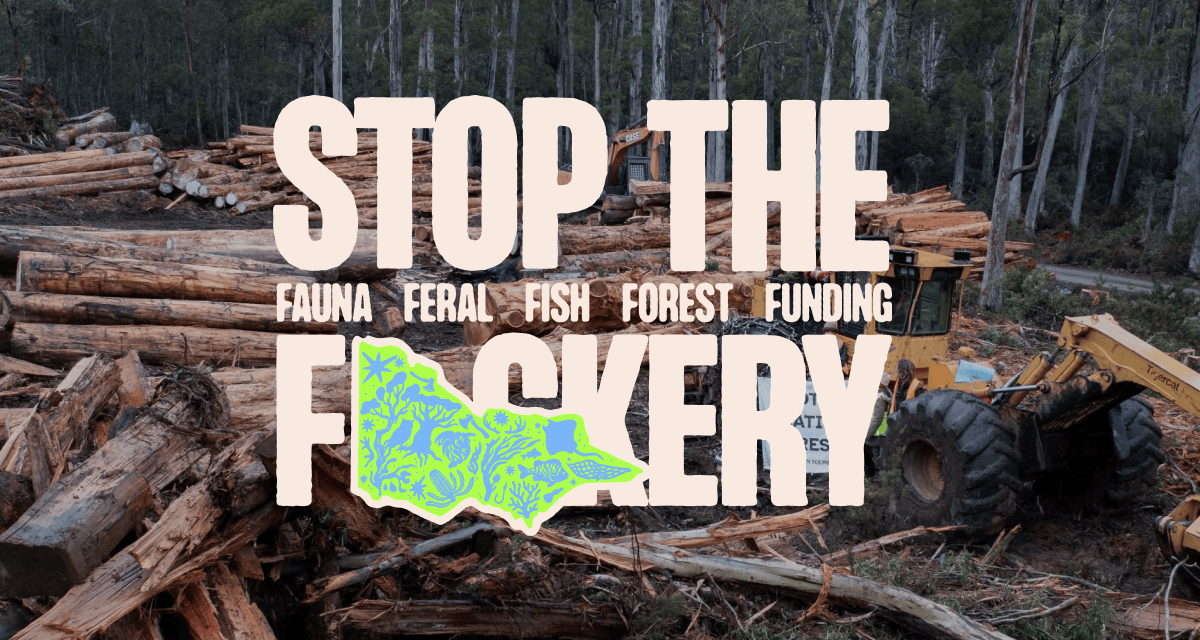
After London workers cut down a monarch butterfly habitat without the homeowner's permission, an environmental lawyer says Ontario cities must rethink policies addressing complaints over butterfly-friendly wild flowers.
Monarch butterflies’ mass die-off in 2024 caused by pesticide exposure – study
New peer-reviewed research found an average of seven pesticides in each of 10 butterflies tested
The gardener who took a Canadian city to court for the right to not mow his lawn
Mississauga officials have twice forcibly cut Wolf Ruck’s grass and billed him, after he decided to rewild his garden

What if our cities were designed for wildlife as well as people?
New research argues urban planning must recognise animals, plants and ecosystems as fellow inhabitants of our cities.
Carney government passes law allowing authorization of banned pesticides | CBC News
The federal government has brought in major changes to how pesticides are regulated in Canada, granting cabinet the power to authorize the use of pesticides — even ones that Health Canada has deemed unsafe.

Report suggests nature restoration matters most right near where people live | CBC News
Restoration is the key to Canada’s efforts to reverse biodiversity loss — now a part of the country’s international obligations, after the COP15 UN biodiversity conference which was hosted in Montreal last December.

Conservationists and birders call out trampling of ecologically sensitive Surrey, B.C., park | CBC News
Conservationists and birders are concerned that the City of Surrey isn't doing enough to prevent the public from trampling all over sensitive habitat at Blackie Spit in Surrey, B.C. The spit is an important stop for dozens of species of migratory birds.

‘It’s an abomination’: battle brewing over proposed US laws to protect pesticide companies
Exclusive: Even as juries decide against a herbicide maker, proposed industry-backed measures would limit lawsuits and local use restrictions

Taking direct action against invasive species is helping these volunteers calm their climate anxiety | CBC News
People who spend their free time doing back-breaking labour to remove invasive plants from their local green spaces say it's worth it because they're doing something tangible to mitigate the effects of climate change.

Less red tape, more pesticides? Bee careful what you ‘simplify’
Follow the Money - Platform for investigative journalism

Couple's win forces Ontario town to revisit its approach to 'naturalized' lawns | CBC News
A Smiths Falls, Ont., couple say they're pleased the town has rescinded an order to uproot their "naturalized" lawn, but fear the battle isn't over yet.

Habitat's road to release: 03 ReBAC on spaces - building [at] habitat
Fine-grained permissioning on top of spaces.
Environmental epidemiology in a crossfire
Two tendencies have emerged in environmental epidemiology that hamper the translation of research findings into prevention of environmental hazards. One is the increased focus on highlighting weaknesses of epidemiology research that is clearly meant to explain away the research conclusions and weaken their possible implications for interventions to control environmental hazards. Another is the voluminous amount of information sharing that involves a substantial amount of misinformation, as part of the ongoing infodemic. In this light, the appearance of the catalogue of doubt-raising strategies, indeed the worst practices of scientific inference, is good news. Collected under the auspices of the International Network for Epidemiology in Policy, it serves to illustrate the range of possible (and impossible) forms of critique that may be raised on behalf of vested interests or other groups who for some reason disagree with the epidemiological conclusions. We believe that this systematic list will be useful in our field and help to identify critiques of policy options that are hidden and sometimes suppressed in weighing the epidemiological evidence.
Is There Need for “The New Wild”?: The New Ecological Quarrels | Los Angeles Review of Books
Pearce takes aim at the edifice that has coalesced around conservation efforts in the face of invasion.
We Regulate the Wrong Things
Most cities’ zoning and development regulations obsess over things that are easy to measure, like building height and density, at the expense of the things that actually determine whether we’re building quality places.

A grim report about climate change in Ontario was kept quiet for 8 months | CBC News
A new report commissioned by Premier Doug Ford’s government warns that climate change poses high risks to Ontario, with impacts on everything from food production to infrastructure to businesses.

Our Allies | Stop The Fuckery
Victorians for Nature exists to hold governments and corporations to account for the systematic destruction of nature in Victoria. And to demand better.