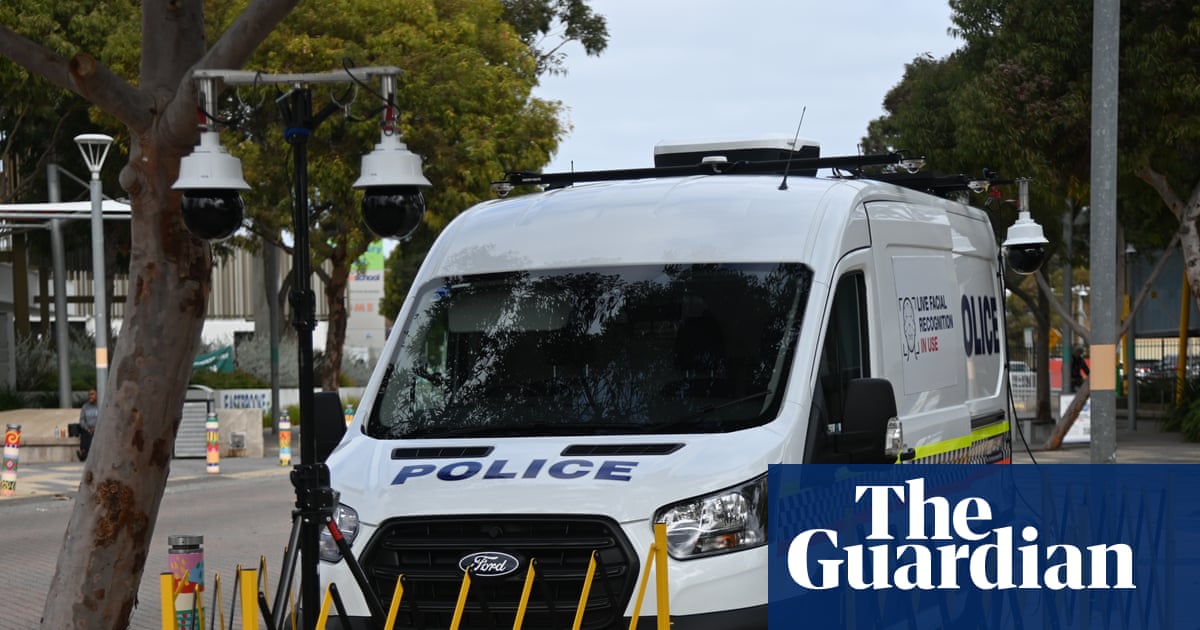
Privacy advocates are calling on all levels of government to create specific regulations around police use of facial recognition technology.
California Police Are Sharing Facial Recognition Databases to ID Suspects
New emails reveal how a private technology company is working to change law enforcement as we know it

Facial Recognition Software Moves From Overseas Wars to Local Police (Published 2015)
Dozens of police departments have begun using facial recognition technology to pursue conventional criminal suspects like drug dealers and prostitutes.

Facebook’s Push for Facial Recognition Prompts Privacy Alarms (Published 2018)
Facebook is working to spread its face-matching tools even as it faces heightened scrutiny from regulators and legislators in Europe and North America.

Police, Power and Privacy: Top secret RCMP files reveal digital roadblocks in terrorism, major crime cases | CBC News
Police, Power and Privacy is a special 5-part investigative series that looks at why police across the country want new powers to track tech-savvy suspects, and why privacy advocates say they should be denied.

Turnbull denies new facial recognition measures amount to 'mass surveillance'
Prime minister plays down privacy implications of automated face-matching regime under anti-terrorism deal struck with states

Facial recognition: It’s time for action - Microsoft On the Issues
In July, we shared our views about the need for government regulation and responsible industry measures to address advancing facial recognition technology. As we discussed, this technology brings important and even exciting societal benefits but also the potential for abuse. We noted the need for broader study and discussion of these issues. In the ensuing...

Facebook’s newest privacy problem: ‘Faceprint’ data
A court case moves forward over whether the social network is breaking the law for not asking your explicit permission for scanning and storing your facial features.

Why the U.S. is noticing this Canadian security bill | CBC News
A Liberal government bill that proposes giving police and spies easier access to information during investigations has fallen into the crosshairs of U.S. tech giants and two American congressional committees, threatening to become the latest irritant in the Canada-U.S. relationship.

Police use of Amazon’s face-recognition service draws privacy warnings
Cloud-based service can index millions of faces and recognize 100 people in an image.

Biometrics catches violent fugitive 25 years on the run
Like it or not, facial-recognition tech has become an everyday part of society.
China bets on facial recognition in big drive for total surveillance
Facial recognition is the new hot tech topic in China. Banks, airports, hotels and even public toilets are all trying to verify people’s identities by analyzing their faces. But the police and security state have been the most enthusiastic about embracing this new technology.

Why the iPhone X's facial recognition could be a privacy disaster
Experts say the technology exposes us to privacy and security risks.

Opinion | We’re Banning Facial Recognition. We’re Missing the Point. (Published 2020)
The whole point of modern surveillance is to treat people differently, and facial recognition technologies are only a small part of that.

Kiss your online privacy goodbye with Bill C-22, Canada
Civil liberties groups, legal experts and the Canadian Chamber of Commerce have been sounding the alarm for months on the privacy and cybersecurity issues contained in the Carney government’s Lawful Access Act, or Bill C-22. In a not-so-surprising twist, American lawmakers have now also added their voice to those warning about the bill.

When No One Is Just a Face in the Crowd (Published 2014)
Facial recognition technology may soon help stores track their best customers — and that has privacy advocates concerned.

Police use facial recognition to scan one million faces in WA trial leading to 122 arrests
Deployments of surveillance vans over five months resulted in nine false alerts and led officers to engage with 146 registered sex offenders