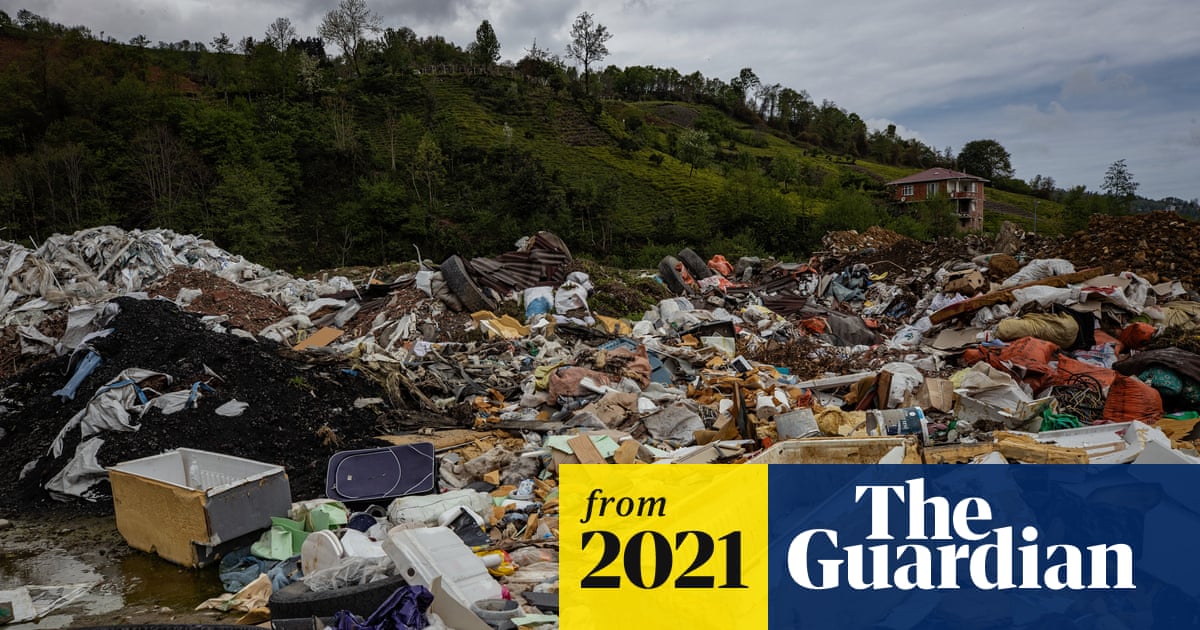
Canada's single-use plastic regulations face their first legal test today as the plastics lobby and the federal government head to court.
B.C. approves civic bylaws banning single-use plastics, provincewide bans on the way | CBC News
Province considers changes to community charter that would allow municipal bans without government approval.

Carney government passes law allowing authorization of banned pesticides | CBC News
The federal government has brought in major changes to how pesticides are regulated in Canada, granting cabinet the power to authorize the use of pesticides — even ones that Health Canada has deemed unsafe.

Privacy laws lag behind as some Canadian police forces begin to use facial recognition technology | CBC News
Privacy advocates are calling on all levels of government to create specific regulations around police use of facial recognition technology.

We depend on plastic. Now we’re drowning in it.
The miracle material has made modern life possible. But more than 40 percent of it is used just once, and it’s choking our waterways.

World in $1.5tn ‘plastics crisis’ hitting health from infancy to old age, report warns
Plastic production has increased more than 200 times since 1950 and hits health at every stage from extraction to disposal, says review in the Lancet
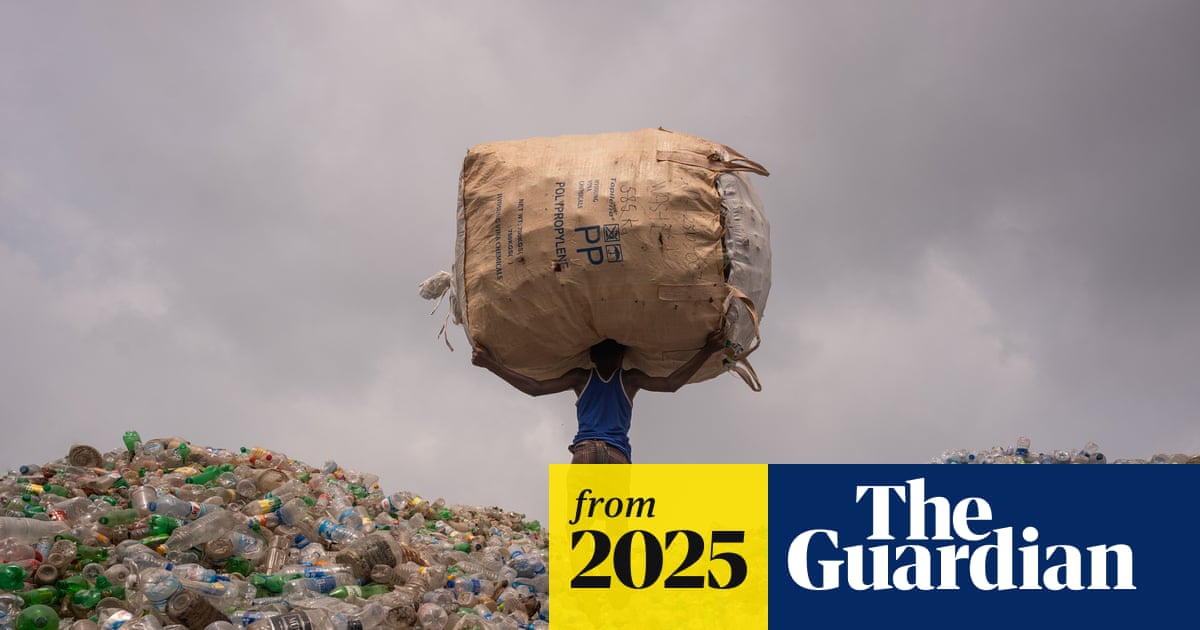
Plastic pollution problem may have more significant consequences than we think
Plastics are everywhere. They're in our water, in our food, and even in the air we breathe. They show up in remote glaciers and deep in the ocean.

Recycled plastic can be more toxic and is no fix for pollution, Greenpeace warns
Campaign group says plastics are incompatible with circular economy as countries prepare for treaty talks
Lawful Access and the Privacy of Canadians « Pirate Party of Canada
Ex-Minister of International Trade Peter Van Loan confirmed June 2nd, 2011, that the Harper Government would be tabling a massive crime bill that Fall [1]. Included in this crime bill is lawful access legislation, previously known as bills C-50, C-51, and C-52 [2]. At the time this is being written (09/2011) it is unknown whether or not legislation such as the “Canadian DMCA” bill C-32 will be included in this crime bill. This lawful access legislation mandates the disclosure of Internet provider customer information to government and police without any warrant, in addition to requiring Internet providers to dramatically re-work their networks to allow for real-time surveillance. Lawful access legislation negatively affects the privacy of all Canadians.
How microplastics are infiltrating the food you eat
Plastic pollution is one of the defining legacies of our modern way of life, but it is now so widespread it is even finding its way into fruit and vegetables as they grow.

Will Canada offer a safe supply as it decriminalizes hard drugs in B.C.? Here's what other countries do | CBC News
Public health advocates and experts warn that Canada needs to do more than decriminalize drugs to bring down overdose deaths. As calls for a regulated safe supply grow, here's how other countries have handled decriminalization and the influence of the black market.

‘They’re in the air, drinking water, dust, food …’ How to reduce your exposure to microplastics
No corner of the planet is free from minuscule fragments of plastic packaging, textiles or utensils. We ask scientists what this means for our health – and what we should do to protect it

Canadian patients fighting for psilocybin access sue federal government
‘This is the landmark case that is going to legalize psychedelics in Canada’

A Canadian mystery: Why was pot criminalized in 1923? | CBC News
Canada criminalized marijuana in 1923, one of the first countries to do so. There was no parliamentary or public debate and the government gave no explanation. And there were few pot smokers.

Starch-based bioplastic may be as toxic as petroleum-based plastic, study finds
Bioplastics, heralded for supposedly breaking down more quickly, can cause similar health problems to other plastics

Foundations of Digital Sovereignty | Canadian Shield Institute
The Canadian Shield Institute is an independent policy institute advancing Canada's economic resilience, sovereignty, innovation, and global competitiveness....

Microplastics cause damage to human cells, study shows
Harm included cell death and occurred at levels of plastic eaten by people via their food