


Keep rainwater you use safe by testing it, treating it if needed, and maintaining your system.
A complete guide to building and maintaining a rain garden
Rain gardens are not only beautiful, they are also functional. By planting a rain garden, you can help protect your property and the environment.

Rainwater Harvesting for Drylands and Beyond by Brad Lancaster
Award-winning books and resources to help you create abundant & productive homes, landscapes, and communities fed by the rain.
Top 20 Design Tips For Rain-Harvesting Systems
Top 20 Design Tips For Rain-Harvesting Systems
US drinking water quality: exposure risk profiles for seven legacy and emerging contaminants
Advances in drinking water infrastructure and treatment throughout the 20th and early 21st century dramatically improved water reliability and quality in the United States (US) and other parts of the world. However, numerous chemical contaminants from a range of anthropogenic and natural sources continue to pose chronic health concerns, even in countries with established drinking water regulations, such as the US.
Study challenges popular idea of mandatory water intake
975 votes, 162 comments. 35M subscribers in the science community. This community is a place to share and discuss new scientific research. Read about…

Guideline levels for PFOA and PFOS in drinking water: the role of scientific uncertainty, risk assessment decisions, and social factors
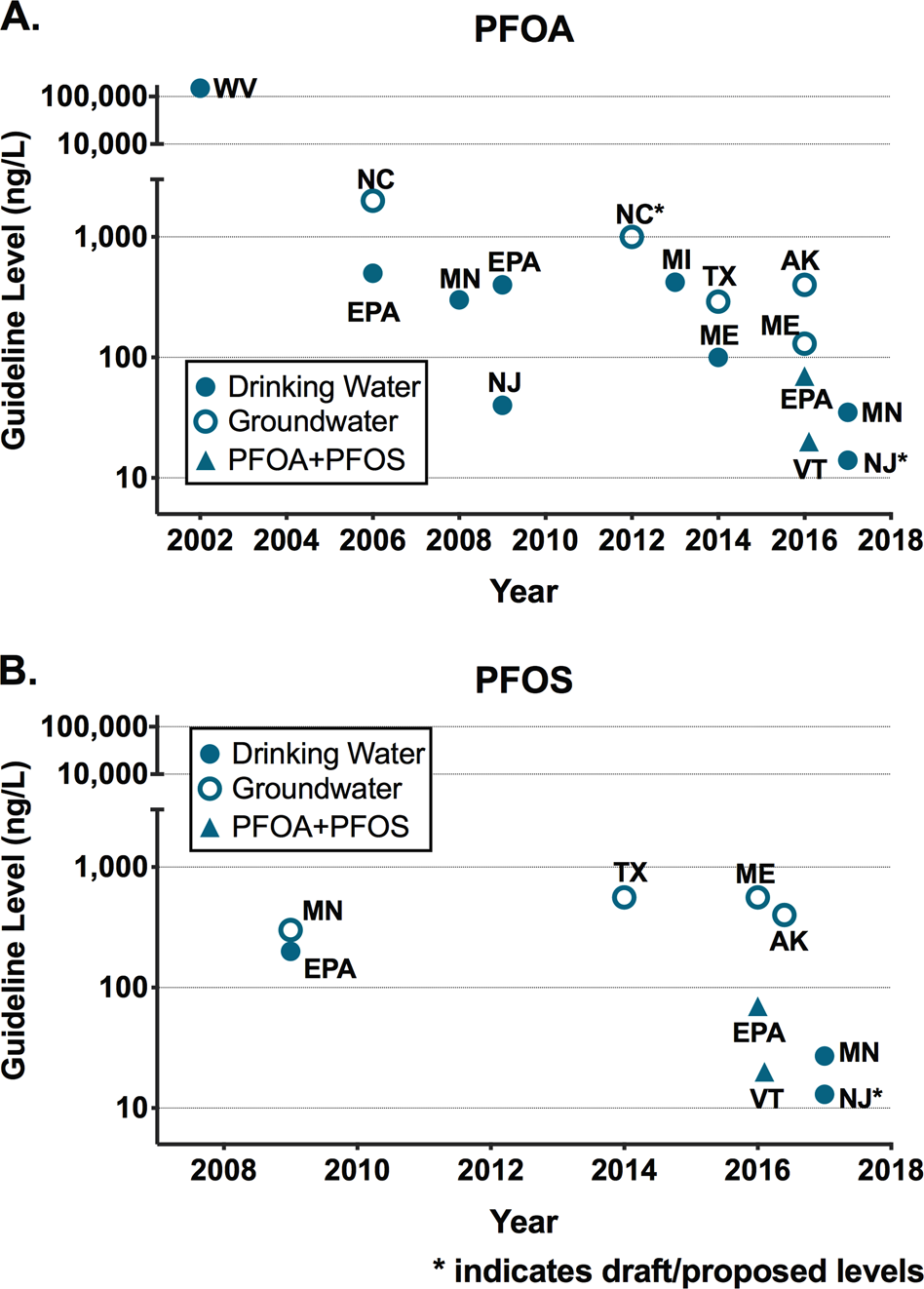
Communities across the U.S. are discovering drinking water contaminated by perfluoroalkyl and polyfluoroalkyl substances (PFAS) and determining appropriate actions. There are currently no federal PFAS drinking water standards despite widespread drinking water contamination, ubiquitous population-level exposure, and toxicological and epidemiological evidence of adverse health effects. Absent federal PFAS standards, multiple U.S. states have developed their own health-based water guideline levels to guide decisions about contaminated site cleanup and drinking water surveillance and treatment. We examined perfluorooctanoic acid (PFOA) and perfluorooctane sulfonate (PFOS) water guideline levels developed by the U.S. Environmental Protection Agency (EPA) and state agencies to protect people drinking the water, and summarized how and why these levels differ. We referenced documents and tables released in June 2018 by the Interstate Technology and Regulatory Council (ITRC) to identify states that have drinking water and groundwater guideline levels for PFOA and/or PFOS that differ from EPA’s health advisories (HAs). We also gathered assessment documents from state websites and contacted state environmental and health agencies to identify and confirm current guidelines. Seven states have developed their own water guideline levels for PFOA and/or PFOS ranging from 13 to 1000 ng/L, compared to EPA’s HA of 70 ng/L for both compounds individually or combined. We find that the development of PFAS guideline levels via exposure and hazard assessment decisions is influenced by multiple scientific, technical, and social factors, including managing scientific uncertainty, technical decisions and capacity, and social, political, and economic influences from involved stakeholders. Assessments by multiple states and academic scientists suggest that EPA’s HA is not sufficiently protective. The ability of states to develop their own guideline levels and standards provides diverse risk assessment approaches as models for other state and federal regulators, while a sufficiently protective, scientifically sound, and enforceable federal standard would provide more consistent protection.
Sociodemographic Factors Are Associated with the Abundance of PFAS Sources and Detection in U.S. Community Water Systems
Abstract. Drinking water contaminated by per- and polyfluoroalkyl substances (PFAS) is a widespread public health concern, and exposure–response relationsh

County-level associations between drinking water PFAS contamination and COVID-19 mortality in the United States
Epidemiologic and animal studies both support relationships between exposures to per- and polyfluoroalkyl substances (PFAS) and harmful effects on the immune system. Accordingly, PFAS have been identified as potential environmental risk factors for adverse COVID-19 outcomes.
Innovative Stormwater Management at the Property Scale
Tap Water Contributions to Plasma Concentrations of Poly- and Perfluoroalkyl Substances (PFAS) in a Nationwide Prospective Cohort of U.S. Women
Abstract Background: Between 2013 and 2015, concentrations of poly- and perfluoroalkyl substances (PFAS) in public drinking water supplies serving at least six million individuals exceeded the level set forth in the health advisory established by the U.S. Environmental Protection Agency. Other than data reported for contaminated sites, no systematic or prospective data exist on the relative source contribution (RSC) of drinking water to human PFAS exposures. Objectives: This study estimates the RSC of tap water to overall PFAS exposure among members of the general U.S. population. Methods: We measured concentrations of 15 PFAS in home tap water samples collected in 1989–1990 from 225 participants in a nationwide prospective cohort of U.S. women: the Nurses’ Health Study (NHS). We used a one-compartment toxicokinetic model to estimate plasma concentrations corresponding to tap water intake of PFAS. We compared modeled results with measured plasma PFAS concentrations among a subset of 110 NHS participants. Results: Tap water perfluorooctanoic acid (PFOA) and perfluorononanoic acid (PFNA) were statistically significant predictors of plasma concentrations among individuals who consumed ≥8 cups of tap water per day. Modeled median contributions of tap water to measured plasma concentrations were: PFOA 12% (95% probability interval 11%–14%), PFNA 13% (8.7%–21%), linear perfluorooctanesulfonic acid (nPFOS) 2.2% (2.0%–2.5%), branched perfluorooctanesulfonic acid (brPFOS) 3.0% (2.5%–3.2%), and perfluorohexanesulfonic acid (PFHxS) 34% (29%–39%). In five locations, comparisons of PFASs in community tap water collected in the period 2013–2016 with samples from 1989–1990 indicated increases in quantifiable PFAS and extractable organic fluorine (a proxy for unquantified PFAS). Conclusions: Our results for 1989–1990 compare well with the default RSC of 20% used in risk assessments for legacy PFAS by many agencies. Future evaluation of drinking water exposures should incorporate emerging PFAS. https://doi.org/10.1289/EHP4093
Build A Kit | Ready.gov
These resources teach you to build an emergency kit filled with the items you need to survive on your own for several days after a disaster. After an emergency, you may need to survive on your own for several days. Being prepared means having your own food, water and other supplies to last for several days. A disaster supplies kit is a collection of basic items your household may need in the event of an emergency.
Socioeconomic Disparities in Exposures to PFAS and Other Unregulated Industrial Drinking Water Contaminants in US Public Water Systems
Characteristics of ‘early adopters’ of water treatment capacity needed to remove PFAS and other emerging contaminants in the United States
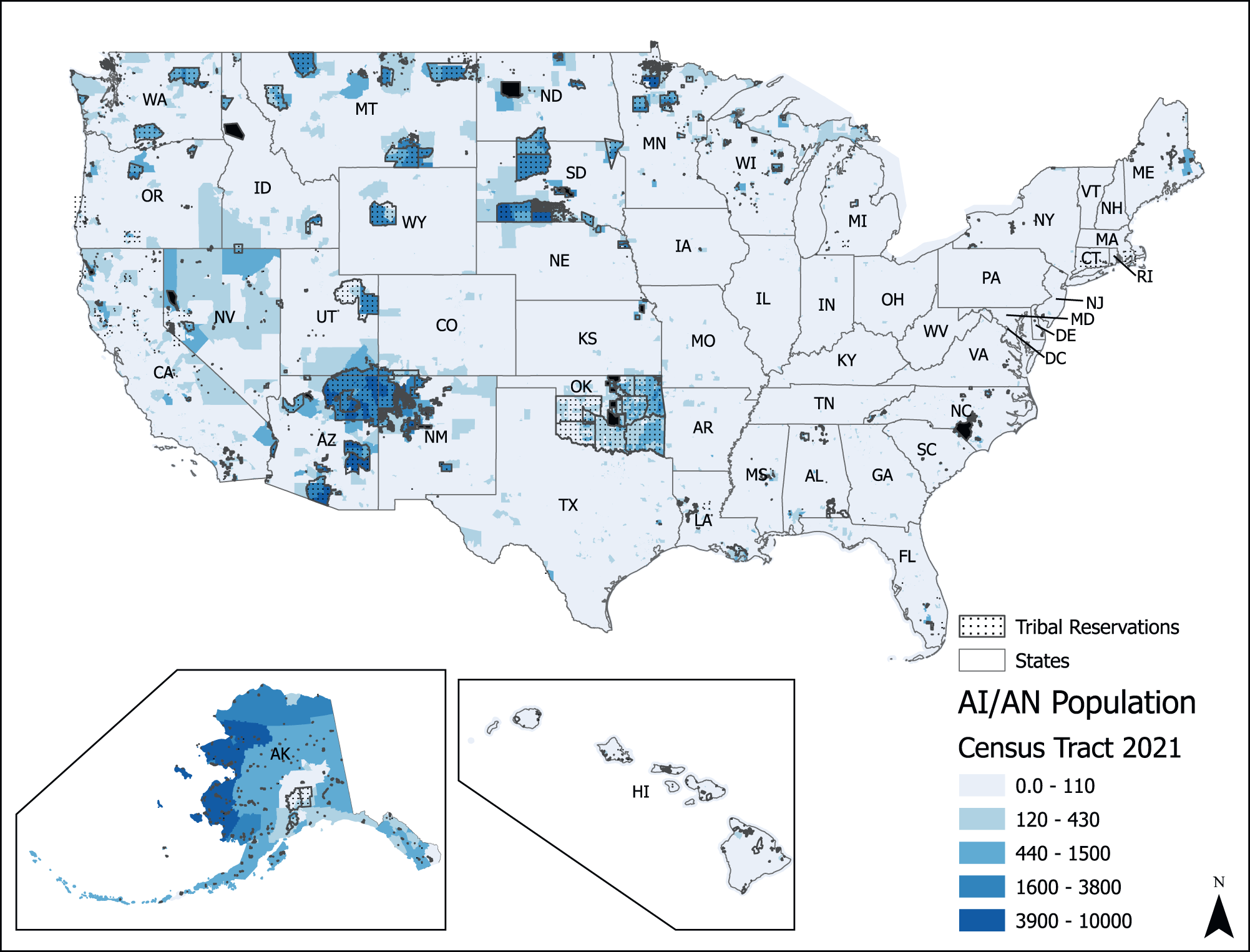
Larger CWS were 7–8 times more likely than smaller systems to adopt advanced treatment processes over 2004–2022. , Past work shows exposures to drinking water contaminants can differ among regions with varying sociodemographic composition, in part due to disparities in siting of pollution sources. Drinking water treatment by reverse osmosis, ion exchange, or activated carbon has been recommended by United States (US) regulatory agencies for community water systems (CWS) with elevated concentrations of emerging chemical toxicants such as per- and polyfluoroalkyl substances (PFAS). However, barriers faced by CWS in implementing such technologies are not well understood. Here we used a national scale ( n = 36 611 CWS) Kaplan–Meier “survival” analysis, as well as adjusted piecewise logistic regression models, to retrospectively examine characteristics of CWS that were “early adopters” of these treatment technologies between 2004–2022. Results showed the largest CWS serving >100 000 customers adopted the treatment technologies considered here 7–8 times faster than small and very small CWS serving <3300 customers from 2004–2022. Nationally and for a case study of CWS with elevated PFAS concentrations, the odds of CWS adopting the treatment technologies considered in this study between 2004–2022 were significantly lower (10–25%) for each 10% higher proportion of non-Hispanic Black residents. Results were generally consistent when focusing on CWS with prior MCL violations and in CWS across different US regions , system sizes, and source water types. The proportion of American Indian and Alaskan Native residents was also inversely associated with adoption of the treatment technologies for certain groups of CWS. These results suggest managerial and financial barriers to removal of high levels of emerging contaminants in drinking water may be most pronounced for some small CWS and those serving selected historically marginalized communities.
Asian Games athletes forced to evacuate amid record rainfall in Japan
Rainwater leaked into competition venues a day before some preopening ceremony competitions beginning on Thursday.
