

This online exhibition, developed by the World Trade Center (WTC) Health Program in partnership with the David J. Sencer CDC Museum, examines the ongoing health effects linked to 9/11 exposures and the emergence of WTC-related health conditions. It also explores the events and advocacy that established the WTC Health Program and research achievements that have led to improvements in medical treatment and knowledge.
9/11 Health
For over two decades the Registry researchers have been tracking health trends, investigating emerging health conditions, and identifying gaps in care among people affected by 9/11.
The New York City Council - File #: Res 0560-2024
Title: Resolution directing the Department of Investigation to conduct an investigation to ascertain the knowledge possessed by mayoral administrations on environmental toxins produced by the September 11, 2001 terrorist attacks on the World Trade Center and to submit a report to the Council thereon.
About Us - 9/11 Health Watch
Why do we need a 911 Health Watch? Even with the passage of the James Zadroga 9/11 Health and Compensation Act in 2010, and the law’s reauthorization in 2015, 2019, and the 2026 full funding of the World Trade Center Health Program, there is still much that needs to be done to ensure the Federal […]

Maloney, Nadler ask NYC mayors what they knew about health hazards at Ground Zero
What did then-New York City Mayors Rudy Giuliani and Michael Bloomberg really know about the toxic threats posed by the ruins for the World Trade Center, and when did they know it? More than two decades after the catastrophic attacks, and…

THE AIR OF UNCERTAINTY Experts weigh health risks of twin towers fires & dust
Some people living or working near Ground Zero may have faced serious health risks since Sept. 11, but environmental experts say they don’t know enough to be certain about long-term harm. For months, toxic contamination in the…

Confronting New York City's Lies About Toxic Air After 9/11
Plus, a selection of some of the best writing on 9/11, and more news to take you into the weekend.
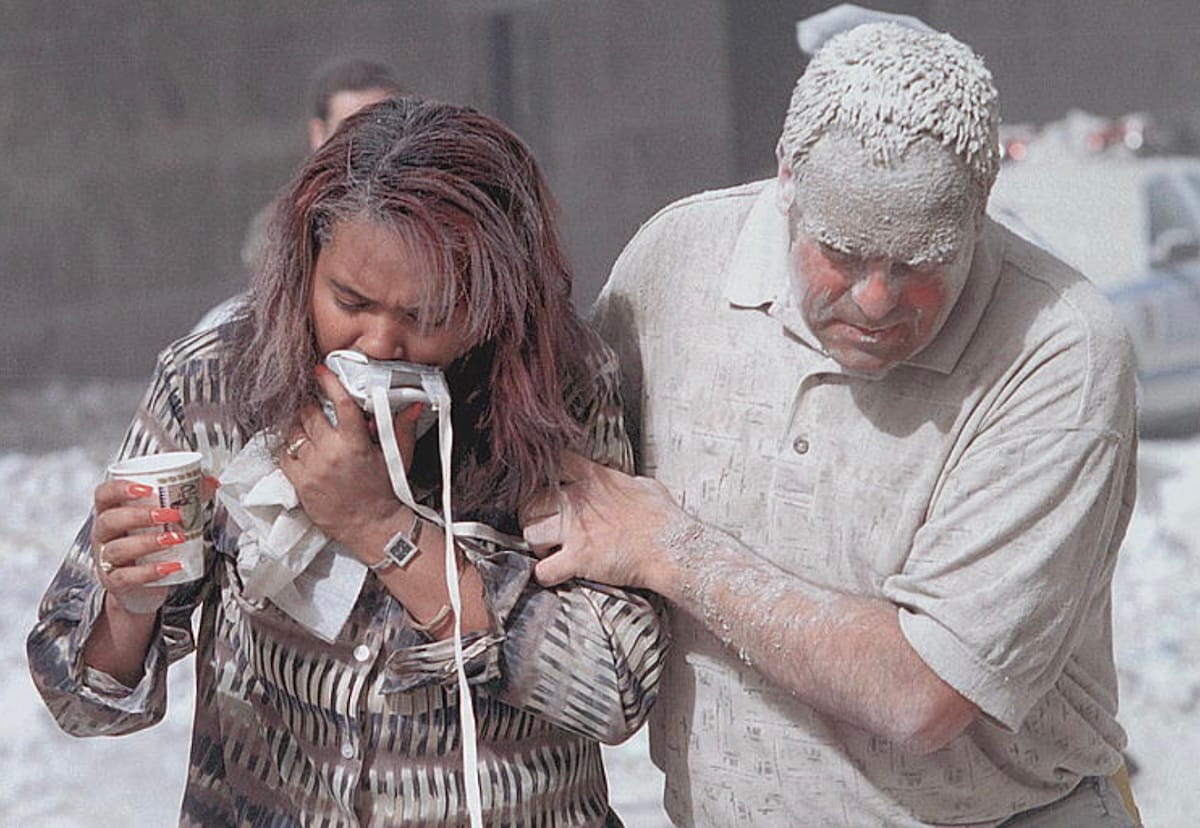
9/11 health program recruits patients exposed to Ground Zero as kids, young adults
The search is on for those who have since developed health conditions related to their proximity to the site.

The Other Victims of 9/11
Twenty-five years after the attack, tens of thousands of people have gotten sick. I am one of them.
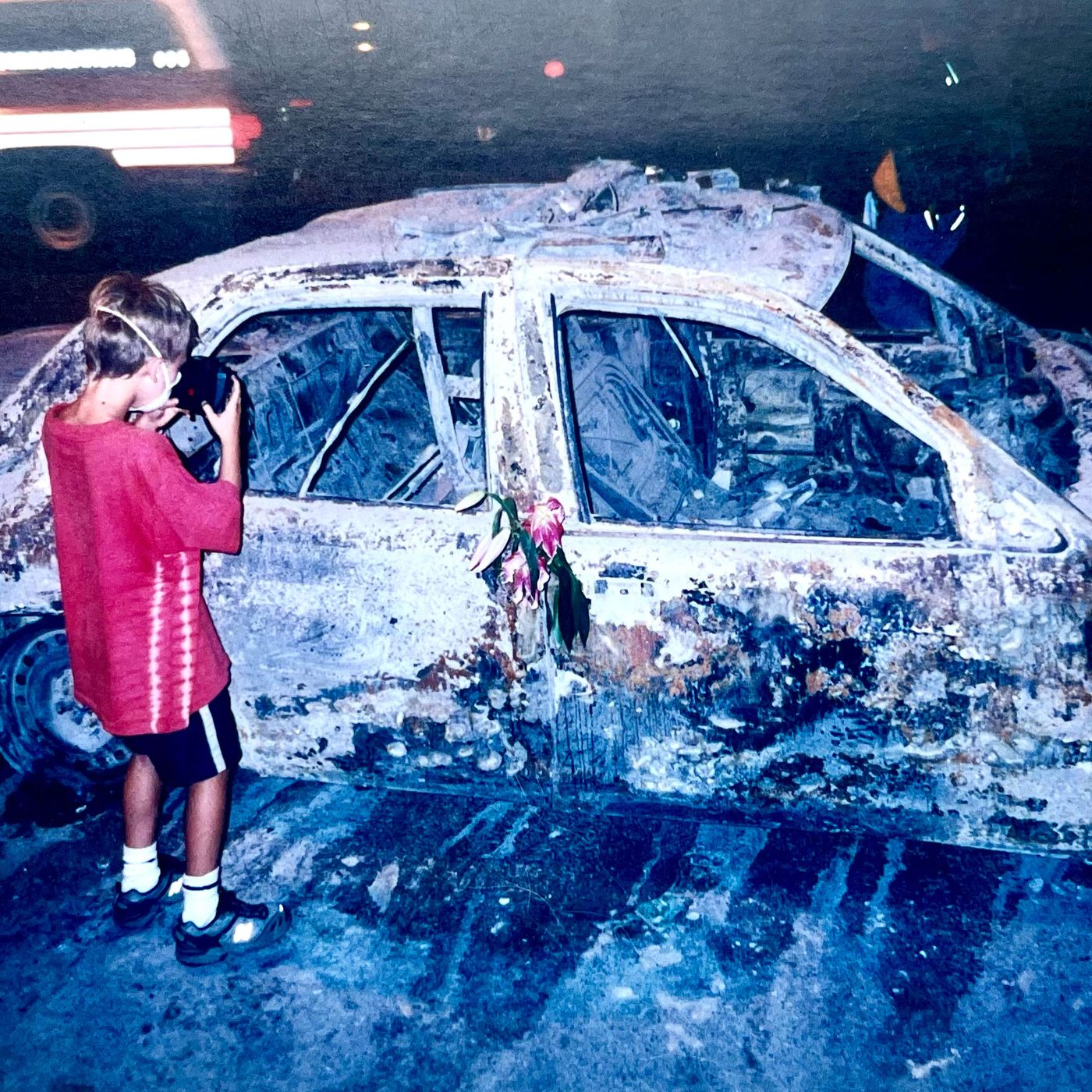
Mayor Mamdani releases 170K documents related to post-9/11 air quality
The Mamdani administration said the public was misled about health risks after the attacks.

Cancer’s toll on 9/11 survivors is accelerating 25 years later
The number of victims receiving aid has tripled in recent years, a Post analysis finds, as the illness’s toll becomes more apparent.

Cyclospora and salmonella outbreaks raise concerns about U.S. food safety
Public health concerns are widening as cyclosporiasis cases surge and a salmonella outbreak across 17 states has many Americans raising concerns about U.S. food safety. Back-to-back cases where people are getting sick from food have put many on edge. William Brangham discussed the concerns with Caitlin Rivers, an epidemiologist at Johns Hopkins University.

Biofilms, unwashed hands: FDA found violations at McDonald’s ex-onion supplier
The outbreak sickened at least 104 across 14 states, killing one and hospitalizing 34.
Kenya’s Health Deal Is a Stress Test for the America First Global Health Strategy
U.S. agreements must contend with national data protection laws to make durable foreign policy instruments.
Safeguarding human health in the Anthropocene epoch: report of The Rockefeller Foundation–Lancet Commission on planetary health
Far-reaching changes to the structure and function of the Earth's natural systems represent a growing threat to human health. And yet, global health has mainly improved as these changes have gathered pace. What is the explanation? As a Commission, we are deeply concerned that the explanation is straightforward and sobering: we have been mortgaging the health of future generations to realise economic and development gains in the present. By unsustainably exploiting nature's resources, human civilisation has flourished but now risks substantial health effects from the degradation of nature's life support systems in the future.

The words we choose matter: recognising the importance of language in decolonising global health
Recognition of the relevance of colonial history to the contemporary practice of global health is not new, but the recent increase in visibility and prominence given to it by global health institutions and flagship journals is welcome when accompanied by meaningful reflection and action.1

Masks and respirators for prevention of respiratory infections: a state of the science review
SUMMARY This narrative review and meta-analysis summarizes a broad evidence base on the benefits—and also the practicalities, disbenefits, harms and personal, sociocultural and environmental impacts—of masks and masking. Our synthesis of evidence from over 100 published reviews and selected primary studies, including re-analyzing contested meta-analyses of key clinical trials, produced seven key findings. First, there is strong and consistent evidence for airborne transmission of severe acute respiratory syndrome coronavirus 2 (SARS-CoV-2) and other respiratory pathogens. Second, masks are, if correctly and consistently worn, effective in reducing transmission of respiratory diseases and show a dose-response effect. Third, respirators are significantly more effective than medical or cloth masks. Fourth, mask mandates are, overall, effective in reducing community transmission of respiratory pathogens. Fifth, masks are important sociocultural symbols; non-adherence to masking is sometimes linked to political and ideological beliefs and to widely circulated mis- or disinformation. Sixth, while there is much evidence that masks are not generally harmful to the general population, masking may be relatively contraindicated in individuals with certain medical conditions, who may require exemption. Furthermore, certain groups (notably D/deaf people) are disadvantaged when others are masked. Finally, there are risks to the environment from single-use masks and respirators. We propose an agenda for future research, including improved characterization of the situations in which masking should be recommended or mandated; attention to comfort and acceptability; generalized and disability-focused communication support in settings where masks are worn; and development and testing of novel materials and designs for improved filtration, breathability, and environmental impact.
