

Our mission is to advance the effective implementation of evidence-based practices for children and families involved with the child welfare system.
Home | 3ie
We are a mission-driven non-profit organization dedicated to using evidence to transform people’s lives. We collaborate with governments, foundations, NGOs, development and research organizations across the globe.

Home | Protecting Kids Online
Our mission is to protect children and defend parental rights by equipping families and citizens with the tools to keep kids safe online. We oppose government surveillance disguised as child safety legislation and seek to build an informed, independent parent-led coalition to #ProtectKidsOnline.

A 2024 Review of Child Care and Early Learning in the United States
Updated data on child care and early learning in the United States illustrate the urgent need for holistic public policymaking and robust investments that support young children, families, and early educators.

Home
Evidence synthesis (ES) is the process of converting scientific outputs – such as articles, reports and data – into reliable and digestible evidence that can inform management or policy.
Programs Reviewed
Evidence Based Programs seeks to identify social programs related to K-12 education, employment and training, crime preventions, and other key areas of…

Intervention Tool | Centre for Homelessness Impact
A single, accessible and trusted entry-point to current body of evidence for homelessness interventions. The tool provides one-page overviews of the available evidence, including simple ratings for strength of evidence, cost-effectiveness and impact, as well as detail on what the studies say about each intervention.

First-ever Home Office data reveals hundreds of child refugees wrongly treated as adults, despite expert warnings | Helen Bamber
After years of campaigning, the Home Office has for the first time published its own data confirming that hundreds of child refugees arriving in UK alone are being wrongly treated as adults, with devastating consequences. These children are routinely placed in adult accommodation, immigration detention and even adult prisons.
What Works for Health
Evidence matters. Our What Works for Health tool will help you find policies and programs that are a good fit for your community's priorities.

Le management « evidence-based » comme technique d’autodéfense intellectuelle
Et si le management, pour se débarrasser de son image pseudo-scientifique, devenait « evidence-based », à l’instar de la médecine ? Une transformation nécessaire, mais difficile à mettre en œuvre.

evidence.guide
Evidence intelligence platform: dashboards, docs, and tooling for trustworthy research quality.

Evidence appraisal: a scoping review, conceptual framework, and research agenda
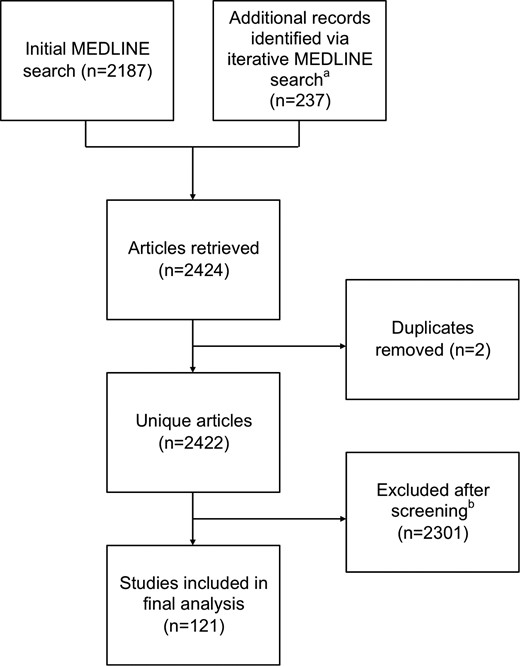
Abstract Objective Critical appraisal of clinical evidence promises to help prevent, detect, and address flaws related to study importance, ethics, validity, applicability, and reporting. These research issues are of growing concern. The purpose of this scoping review is to survey the current literature on evidence appraisal to develop a conceptual framework and an informatics research agenda. Methods We conducted an iterative literature search of Medline for discussion or research on the critical appraisal of clinical evidence. After title and abstract review, 121 articles were included in the analysis. We performed qualitative thematic analysis to describe the evidence appraisal architecture and its issues and opportunities. From this analysis, we derived a conceptual framework and an informatics research agenda. Results We identified 68 themes in 10 categories. This analysis revealed that the practice of evidence appraisal is quite common but is rarely subjected to documentation, organization, validation, integration, or uptake. This is related to underdeveloped tools, scant incentives, and insufficient acquisition of appraisal data and transformation of the data into usable knowledge. Discussion The gaps in acquiring appraisal data, transforming the data into actionable information and knowledge, and ensuring its dissemination and adoption can be addressed with proven informatics approaches. Conclusions Evidence appraisal faces several challenges, but implementing an informatics research agenda would likely help realize the potential of evidence appraisal for improving the rigor and value of clinical evidence.
Results First Clearinghouse Database
To assist policymakers at all levels of government in identifying evidence-based programs and making data-driven budget decisions, the project has created the Results First Clearinghouse Database. This one-stop online resource provides policymakers with an easy way to find information on the effectiveness of various interventions as rated by eight national research clearinghouses.

OpenAI releases its framework for AI child safety policies.
The blueprint — created with the help of NCMEC and the Attorney General Alliance — is aimed at “modernizing laws” to address AI-generated CSAM, improving the reporting process, and building systems that interrupt exploitation attempts. [Link: Introducing the Child Safety Blueprint | https://openai.com/index/introducing-child-safety-blueprint/ | OpenAI]

Coop 1.0: World’s First Free, Open Source Child Safety Infrastructure for Every Platform
Robust Open Online Safety Tools or ROOST is a new non-profit entity designed to address the urgent need for accessible, high-quality safety tools in the rapidly evolving digital landscape.
The Matrix - The Center for Evidence-Based Crime Policy (CEBCP)
The Evidence-Based Policing Matrix What strategies can be effective in reducing crime and disorder in policing? The Evidence-Based Policing Matrix is a research-to-practice translation tool that collects, summarizes, and organizes moderate to very rigorous evaluations of police interventions, allowing agencies and researchers to view the field of research in this area. The Matrix includes studies…