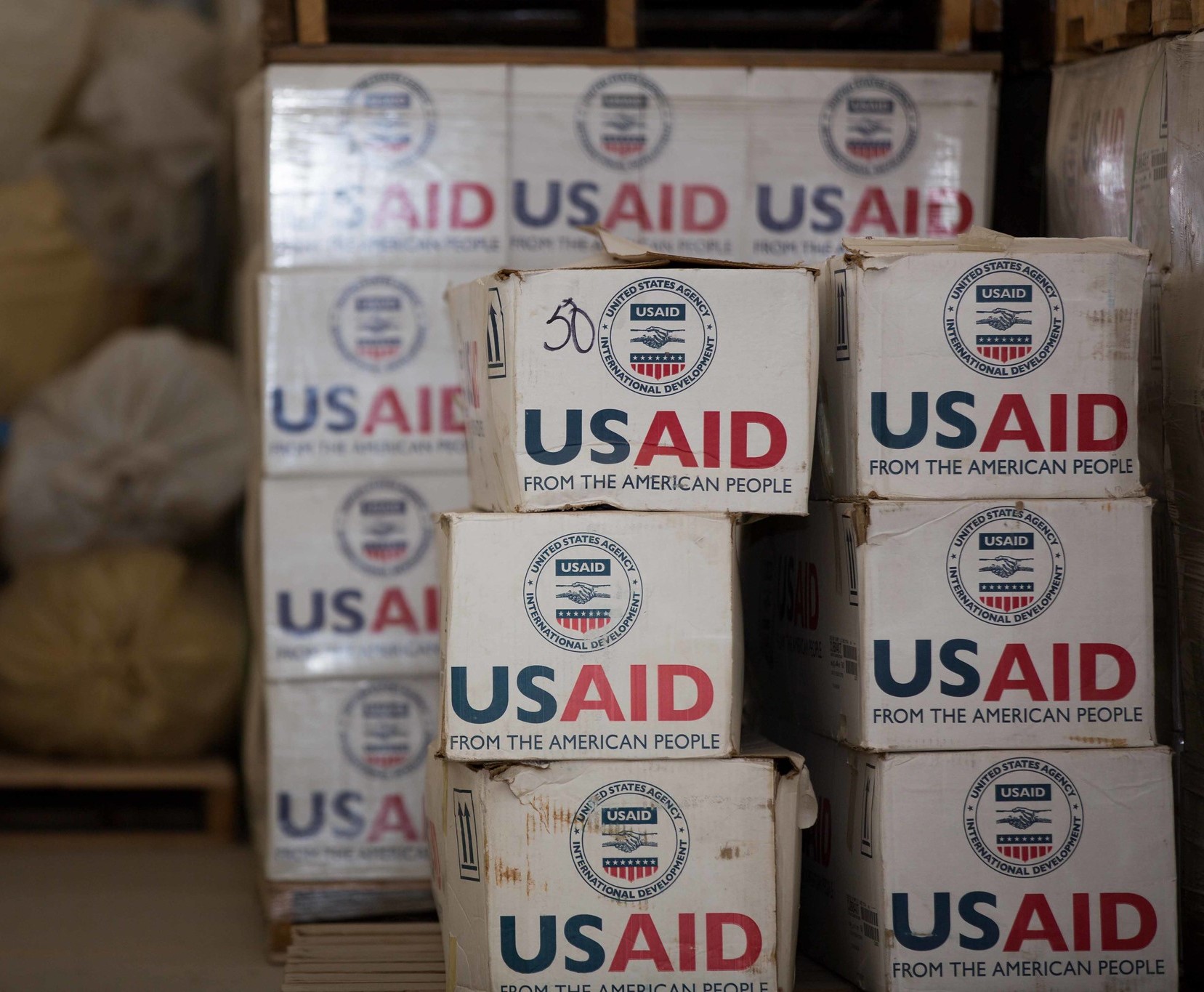
We present some estimates for lives saved by US assistance worldwide, with illustrative estimates by recipient country. Our core estimates are for deaths prevented from HIV/AIDS, vaccine-preventable illnesses covered by Gavi, tuberculosis, malaria, and emergency/humanitarian relief. We suggest the number of lives saved per year may range between 2.3 to 5.6 million with our preferred number resting on gross estimates of 3.3 million.
Global aid cuts could lead to 23 million deaths by 2030, study estimates
Lab tests are negative for more than 200 pathogens, but testing continues.

After aid: Thoughts on a localised humanitarian system (part 1)
You have probably read 100+ articles on this topic — USAID shutdown, funding cuts from several EU governments and the UK. An…

Cancer’s toll on 9/11 survivors is accelerating 25 years later
The number of victims receiving aid has tripled in recent years, a Post analysis finds, as the illness’s toll becomes more apparent.

Humanitarian aid turns to AI as crises outpace capacity
Purpose-designed AI agents with a focus on safety can provide critical assistance to vulnerable populations.

Avoidable mortality, risk factors and policies for tackling noncommunicable diseases – leveraging data for impact: monitoring commitments in the WHO European Region ahead of the Fourth United Nations High-Level Meeting
The report notes that, in order to tackle NCDs and address the commercial, social, environmental and digital determinants of health, there is a need for accelerated multisectoral whole-of-government and whole-of-society action, integrated policies, enhanced preventive measures and strengthened health systems.

Foreign aid and the ‘root causes’ of migration
Foreign aid is often used to address the root causes of migration as a way to reduce migrant flows. However, the effectiveness of such approaches remains unclear. This column combines individual survey data with data on World Bank projects and on bilateral migration flows to examine how foreign aid influences migration preferences and flows. Results show that aid can temporarily reduce irregular migration but may lead to increased regular migration as conditions improve over time. Policymakers should consider these dynamics when designing migration strategies to balance immediate and long-term effects.
What is US foreign assistance? | Brookings
George Ingram answers common questions about U.S. foreign assistance and how it supports American interests.
Why Do Americans Have Shorter Life Expectancy and Worse Health Than Do People in Other High-Income Countries?
Americans lead shorter and less healthy lives than do people in other high-income countries. We review the evidence and explanations for these variations in longevity and health. Our overview suggests that the US health disadvantage applies to multiple mortality and morbidity outcomes. The American health disadvantage begins at birth and extends across the life course, and it is particularly marked for American women and for regions in the US South and Midwest. Proposed explanations include differences in health care, individual behaviors, socioeconomic inequalities, and the built physical environment. Although these factors may contribute to poorer health in America, a focus on proximal causes fails to adequately account for the ubiquity of the US health disadvantage across the life course. We discuss the role of specific public policies and conclude that while multiple causes are implicated, crucial differences in social policy might underlie an important part of the US health disadvantage.

Effects of international sanctions on age-specific mortality: a cross-national panel data analysis
Background Previous research has shown a correlation between the imposition of sanctions and worsening health conditions in target countries. However, the direction of causality in this relationship remains unclear. No study has yet examined the effects of sanctions on age-specific mortality rates in cross-country panel data using methods designed to address causal identification in observational data. Methods In this cross-national panel data analysis, we analysed the effect on health of sanctions using a panel dataset of age-specific mortality rates and sanctions episodes for 152 countries between 1971 and 2021. We apply a range of methods designed to address causal questions using observational data, including entropy balancing, Granger causality, event-study representations, and instrumental variables. Findings Our findings showed a significant causal association between sanctions and increased mortality. We found the strongest effects for unilateral, economic, and US sanctions, whereas we found no statistical evidence of an effect for UN sanctions. Mortality effects ranged from 8·4 log points (95% CI 3·9–13·0) for children younger than 5 years to 2·4 log points (0·9–4·0) for individuals aged 60–80 years. We estimated that unilateral sanctions were associated with an annual toll of 564 258 deaths (95% CI 367 838–760 677), similar to the global mortality burden associated with armed conflict. Interpretation Sanctions have substantial adverse effects on public health, with a death toll similar to that of wars. Our findings underscore the need to rethink sanctions as a foreign-policy tool, highlighting the importance of exercising restraint in their use and seriously considering efforts to reform their design. Funding The Center for Economic and Policy Research.
If no-one helps you after a car crash in India, this is why
Fifteen people are killed on India's roads every hour - but when crashes happen, nobody wants to help.

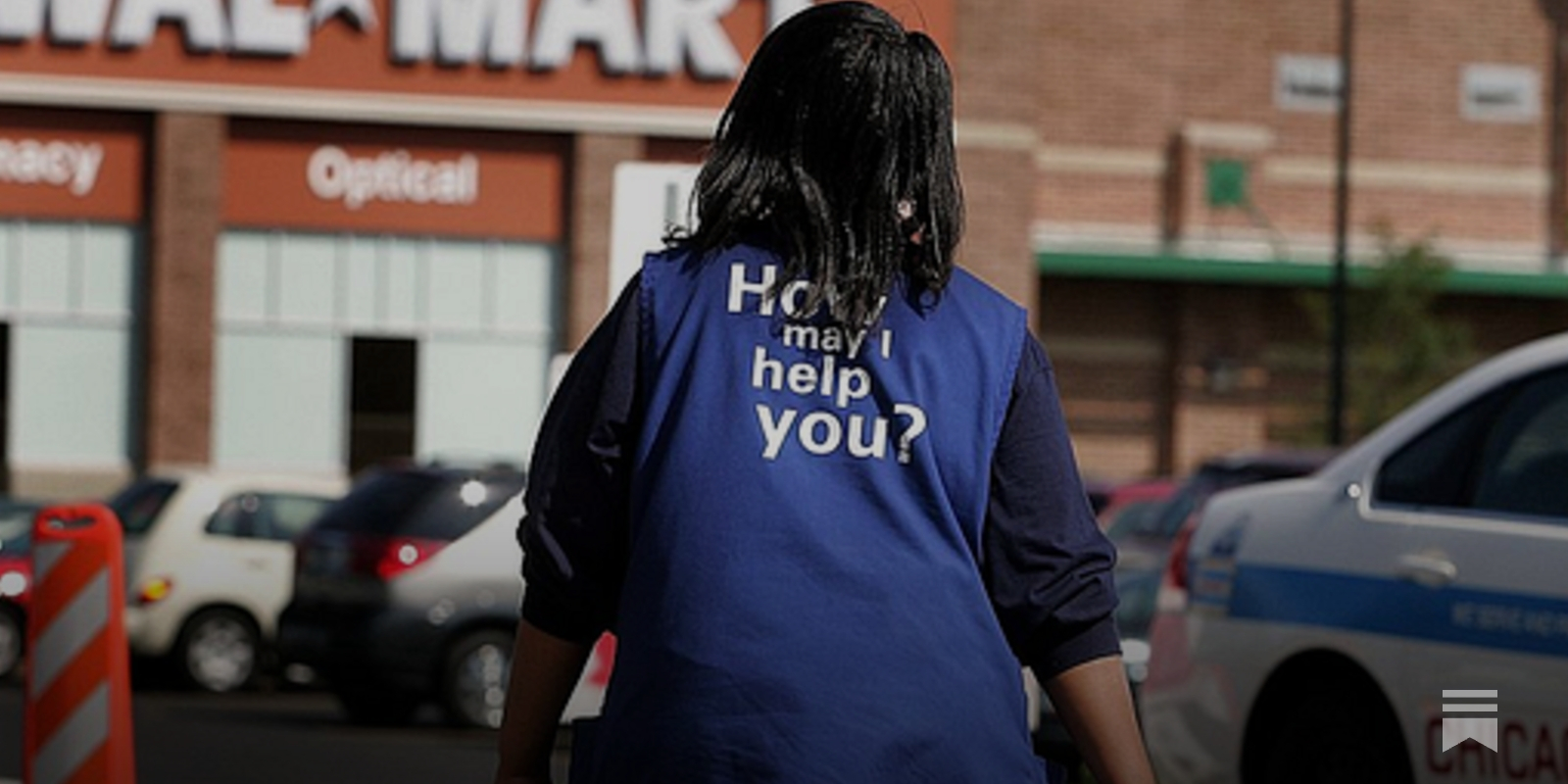
Taxpayers spend about $2 billion annually on Medicaid for Amazon and Walmart employees
American taxpayers are spending billions every year providing Medicaid benefits to hundreds of thousands of employees of Amazon and Walmart, a new analysis by Popular Information reveals.
Home
Coefficient has directed over $4 billion in grants since 2014. Our mission is to help others as much as we can with the resources available to us.

CNN.com - Congress approves $15 billion airline bailout - September 22, 2001
In the wake of last week's terrorist attacks involving hijacked airplanes, Congress Friday passed a measure for a $15 billion financial aid package to help the crippled airline industry and set up a government compensation fund for victims to help deter lawsuits.
Death toll in Japan earthquake rises to 30 as rescue efforts continue
Rescue efforts are continuing as time runs down on the critical three-day window for rescues following the quake. Officials have not detailed how many people were reported missing but local media say dozens remain unaccounted for.

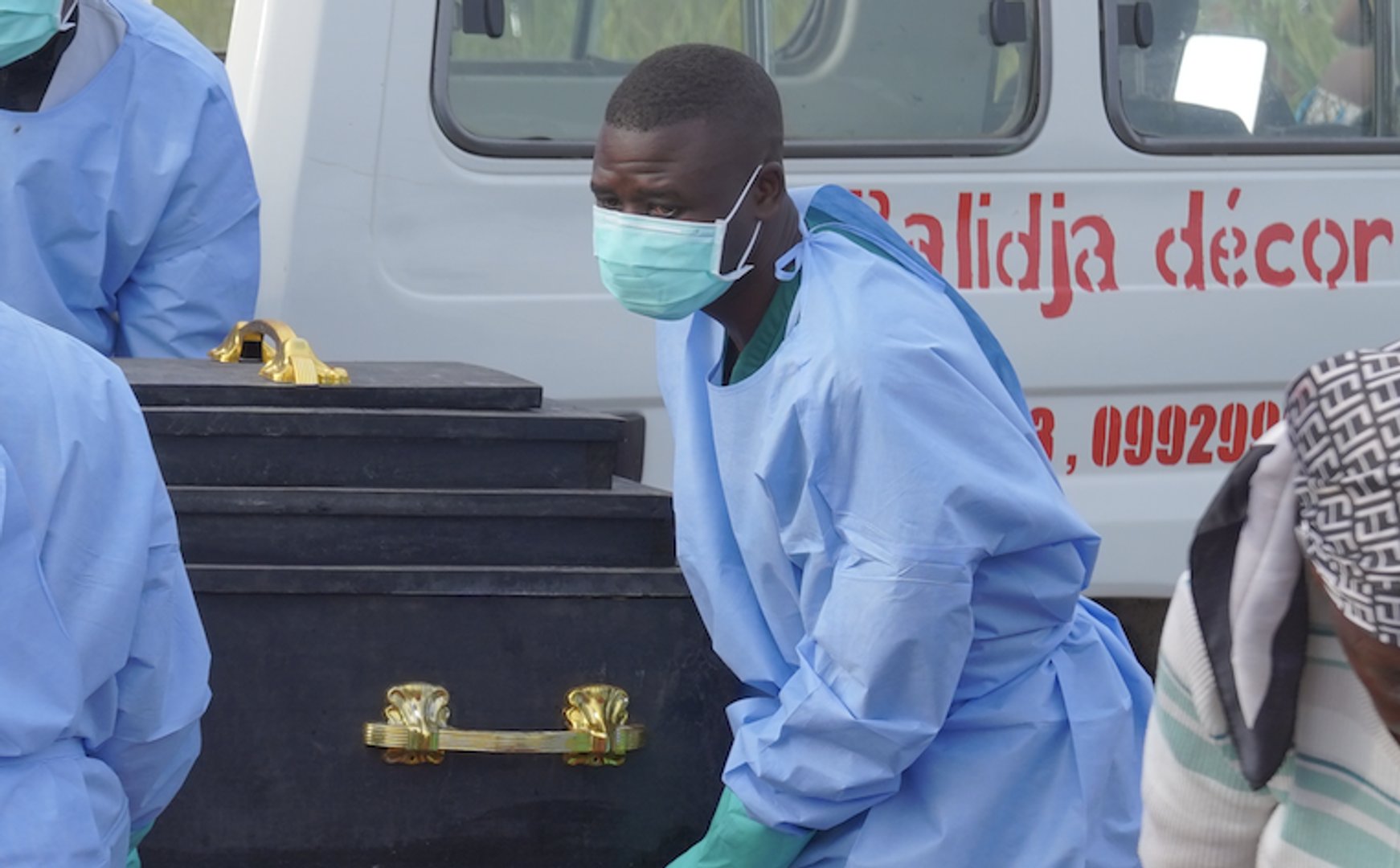
Ebola outbreak caused by new ‘animal transmission’: What that means
More than 2,000 people have died after contracting the latest strain of the Ebola virus.
US Domestic Policy Dashboard - Impact Counter | Impact Counter
Explore US domestic policies and their impact on public health across all branches of government.