1. A solid routine fosters a well-worn groove for one’s mental energies and helps stave off the tyranny of moods. 2. “A modern stoic,” he observed, “knows that the surest way to discipline passion...
Eradicating Unhappiness
Is there a manual for living well? Where modern science, society, and psychology underserves, a philosophy nearly as old as time emerges. “Take a simple idea, and take it seriously.”—Charlie Munger…

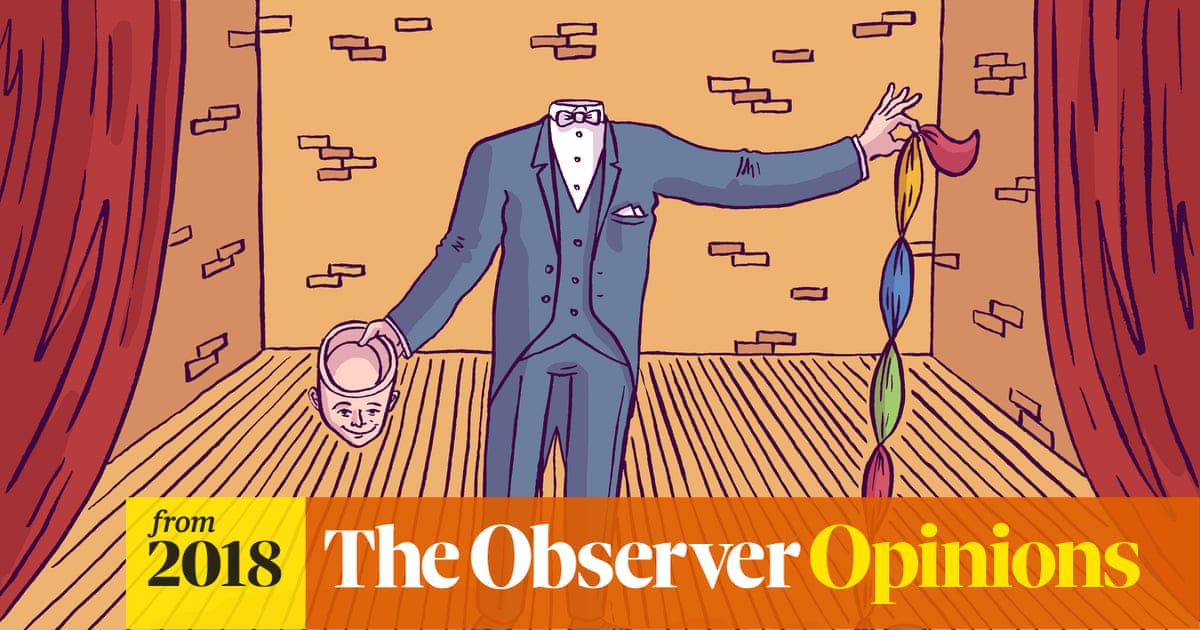
A revolution in our sense of self | Nick Chater
Psychologists have tried to plumb the depths of human motivation to make sense of our behaviour. But our inner mental world is a fiction, sustained by constant improvisation
Stimming and Emotional Regulation:
The Essential Role of Rhythmic Self-Modulation

Why major life decisions should be approached with ‘epistemic humility’ | Psyche Videos
At a crossroads in life? No matter how much you deliberate, one unknowable remains: the person you will be on the other side

Extraordinary Passion: Couple Meditation
Civilization and Its Discontents
Civilization and Its Discontents is a book by Sigmund Freud, the founder of psychoanalysis. It was written in 1929 and first published in German in 1930 as Das Unbehagen in der Kultur.

Extraordinary Passion: The Tantric Ritual: Setup and Meditation
Sex, science, and Tantra - how to have incredible orgasms and amazing sex, and a completely non-spiritual look at why Tantra has such amazing effects.
Why Your Brain Needs More Downtime
Research on naps, meditation, nature walks and the habits of exceptional artists and athletes reveals how mental breaks increase productivity, replenish attention, solidify memories and encourage creativity

Effects of Extreme Ritual Practices on Psychophysiological Well-Being
Extreme ritual practices involving pain and suffering pose significant risks such as injury, trauma, or infection. Nonetheless, they are performed by millions of people around the world and are often culturally prescribed remedies for a variety of maladies, and especially those related to mental health. What is the actual impact of these practices on health? Combining ethnographic observations and psychophysiological monitoring, we investigated outcomes of participation in one of the world’s most extreme rituals, involving bodily mutilation and prolonged suffering. Performance of this physically demanding ordeal had no detrimental effects on physiological health and was associated with subjective health improvements, and these improvements were greater for those who engaged in more intense forms of participation. Moreover, individuals who experienced health problems and/or were of low socioeconomic status sought more painful levels of engagement. We suggest two potential mechanisms for these effects: a bottom-up process triggered by neurological responses to pain and a top-down process related to increased social support and self-enhancement. These mechanisms may buffer stress-induced pressures and positively affect quality of life. Our results stress the importance of traditional cultural practices for coping with adversity, especially in contexts where psychiatric or other medical interventions are not widely available.

Museletter #353: Deadly Optimism, Useful Pessimism
What's really needed is a realistic sense of what's possible, and a dogged determination to heal division, protect nature and culture, and build sustainable alternatives.

Want to Strengthen Workplace Culture? Design a Ritual

Meditations on Machinic Desire
The philosopher and accelerationist Nick Land writes, in his 1993 essay Machinic Desire, three of the most insight-dense paragraphs I’ve ever encountered:

Genealogy, Enchantment, and the War for the Mind | The Journal for Cultural and Religious Theory | JCRT
Carl Raschke interviews Jason Ānanda Josephson Storm on genealogy after genealogy, the myth of disenchantment, and the long history behind the militarization of the mind.
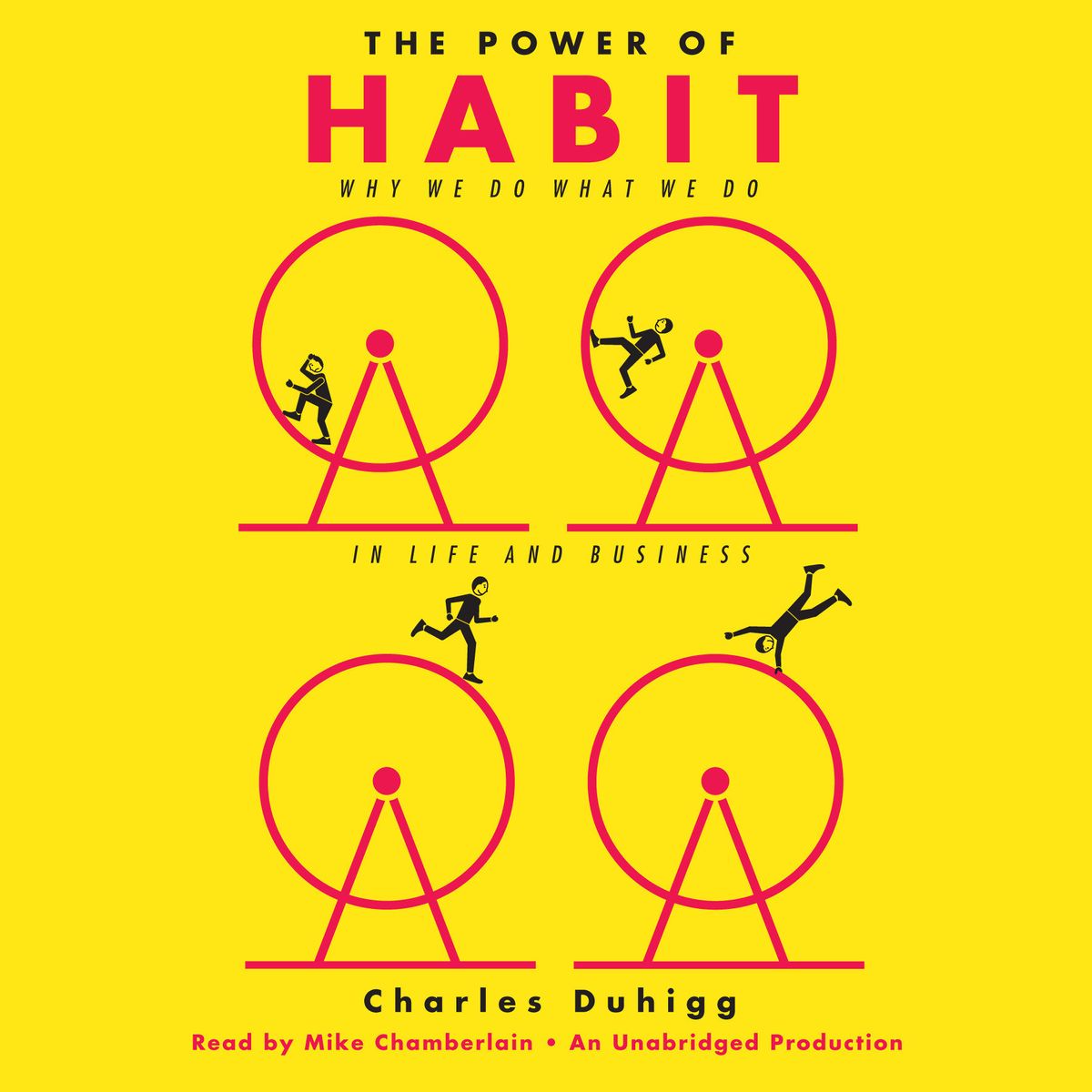
The Power of Habit: Why We Do What We Do in Life and Business by Charles Duhigg
A young woman walks into a laboratory. Over the past two years, she has transformed almost every ...
“Are Protocols Elite?” in Rythms – Writings and rehearsals by Nathan Schneider
For a taste of what I’ve been working on this season, I have a new, tiny-little essay in the in-house journal of our Center for Media, Religion, and Culture, Rhythms: “Are Protocols Elite?” Based on a collab with Avery Edenfield. https://www.colorado.edu/cmrc/2025/11/06/rhythms-fall-2025-counter-media

Dopamine Trap
Dopamine Trap does narrative driven decay. With organic noise, apocalyptic soundscapes, and scathing poetry his productions cast lovecraftian solopsisms on the roof of the skull, dripping with tumors of unresolved inter-generational trauma, resignation and reckless, violent love. He delights in emptiness and the granular implications of percussive silence.