


Researchers say air monitoring complements wastewater testing in detecting respiratory pathogens from diverse populations, including asymptomatic or pre-symptomatic people.
Masks and respirators for prevention of respiratory infections: a state of the science review
SUMMARY This narrative review and meta-analysis summarizes a broad evidence base on the benefits—and also the practicalities, disbenefits, harms and personal, sociocultural and environmental impacts—of masks and masking. Our synthesis of evidence from over 100 published reviews and selected primary studies, including re-analyzing contested meta-analyses of key clinical trials, produced seven key findings. First, there is strong and consistent evidence for airborne transmission of severe acute respiratory syndrome coronavirus 2 (SARS-CoV-2) and other respiratory pathogens. Second, masks are, if correctly and consistently worn, effective in reducing transmission of respiratory diseases and show a dose-response effect. Third, respirators are significantly more effective than medical or cloth masks. Fourth, mask mandates are, overall, effective in reducing community transmission of respiratory pathogens. Fifth, masks are important sociocultural symbols; non-adherence to masking is sometimes linked to political and ideological beliefs and to widely circulated mis- or disinformation. Sixth, while there is much evidence that masks are not generally harmful to the general population, masking may be relatively contraindicated in individuals with certain medical conditions, who may require exemption. Furthermore, certain groups (notably D/deaf people) are disadvantaged when others are masked. Finally, there are risks to the environment from single-use masks and respirators. We propose an agenda for future research, including improved characterization of the situations in which masking should be recommended or mandated; attention to comfort and acceptability; generalized and disability-focused communication support in settings where masks are worn; and development and testing of novel materials and designs for improved filtration, breathability, and environmental impact.
COVID antihistamine protocol
This current wave of COVID is bad, and I'm seeing a lot of people who were previously NOVID posting photos of their positive tests. I've been trying fairly diligently to get this information out on social media, because I know I follow the literature a lot more closely than a lot of people, so here
Atmospheric concentrations of per- and polyfluoroalkyl substances in Michigan's ambient air using passive sampling
Supplemental data for "Atmospheric concentrations of per- and polyfluoroalkyl substances in Michigan's ambient air using passive sampling". Atmospheric passive samplers were deployed at 27 sites around Michigan, USA to measure atmospheric PFAS concentrations. Data includes information for sites, analytical information, and concentrations measured.
Field Validation of a Novel Passive Sampler for Dissolved PFAS in Surface Waters
Abstract Numerous per- and polyfluoroalkyl substances (PFAS) are of growing concern worldwide due to their ubiquitous presence, bioaccumulation and adverse effects. Surface waters in the United States have displayed elevated concentrations of PFAS, but so far discrete water sampling has been the commonly applied sampling approach. In the present study we field-tested a novel integrative passive sampler, a microporous polyethylene tube, and derived sampling rates (Rs) for nine PFAS in surface waters. Three sampling campaigns were conducted, deploying polyethylene tube passive samplers in the effluent of two wastewater treatment plant (WWTP) effluents and across Narragansett Bay (Rhode Island, USA) for 1 month each in 2017 and 2018. Passive samplers exhibited linear uptake of PFAS in the WWTP effluents over 16–29 days, with in situ Rs for nine PFAS ranging from 10 ml day−1 (perfluoropentanoic acid) to 29 ml day−1 (perfluorooctanesulfonic acid). Similar sampling rates of 19 ± 4.8 ml day−1 were observed in estuarine field deployments. Applying these Rs values in a different WWTP effluent predicted dissolved PFAS concentrations mostly within 50% of their observations in daily composite water samples, except for perfluorobutanoic acid (where predictions from passive samplers were 3 times greater than measured values), perfluorononanoic acid (1.9 times), perfluorodecanoic acid (1.7 times), and perfluoropentanesulfonic acid (0.1 times). These results highlight the potential use of passive samplers as measurement and assessment tools of PFAS in dynamic aquatic environments. Environ Toxicol Chem 2022;41:2375–2385. © 2022 SETAC Abstract A novel integrative passive sampler was field-tested and sampling rates derived for nine per- and polyfluoroalkyl substances in two wastewater treatment plant effluents and in Narragansett Bay surface waters.

Low-cost measurement of face mask efficacy for filtering expelled droplets during speech
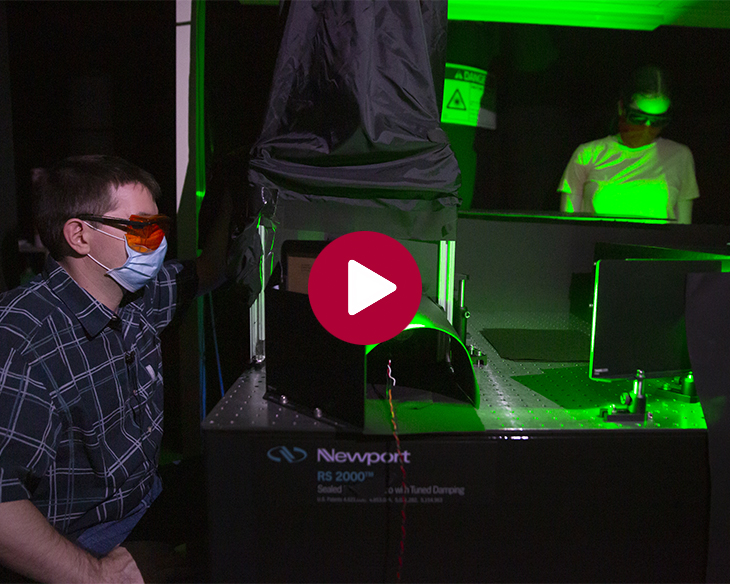
A simple method was developed for evaluating the efficacy of face masks to reduce respiratory droplet emission during speaking. , Mandates for mask use in public during the recent coronavirus disease 2019 (COVID-19) pandemic, worsened by global shortage of commercial supplies, have led to widespread use of homemade masks and mask alternatives. It is assumed that wearing such masks reduces the likelihood for an infected person to spread the disease, but many of these mask designs have not been tested in practice. We have demonstrated a simple optical measurement method to evaluate the efficacy of masks to reduce the transmission of respiratory droplets during regular speech. In proof-of-principle studies, we compared a variety of commonly available mask types and observed that some mask types approach the performance of standard surgical masks, while some mask alternatives, such as neck gaiters or bandanas, offer very little protection. Our measurement setup is inexpensive and can be built and operated by nonexperts, allowing for rapid evaluation of mask performance during speech, sneezing, or coughing.
Severity of COVID-19 at elevated exposure to perfluorinated alkylates
Background The course of coronavirus disease 2019 (COVID-19) seems to be aggravated by air pollution, and some industrial chemicals, such as the perfluorinated alkylate substances (PFASs), are immunotoxic and may contribute to an association with disease severity. Methods From Danish biobanks, we obtained plasma samples from 323 subjects aged 30–70 years with known SARS-CoV-2 infection. The PFAS concentrations measured at the background exposures included five PFASs known to be immunotoxic. Register data was obtained to classify disease status, other health information, and demographic variables. We used ordered logistic regression analyses to determine associations between PFAS concentrations and disease outcome. Results Plasma-PFAS concentrations were higher in males, in subjects with Western European background, and tended to increase with age, but were not associated with the presence of chronic disease. Of the study population, 108 (33%) had not been hospitalized, and of those hospitalized, 53 (16%) had been in intensive care or were deceased. Among the five PFASs considered, perfluorobutanoic acid (PFBA) showed an unadjusted odds ratio (OR) of 2.19 (95% confidence interval, CI, 1.39–3.46) for increasing severities of the disease. Among those hospitalized, the fully adjusted OR for getting into intensive care or expiring was 5.18 (1.29, 20.72) when based on plasma samples obtained at the time of diagnosis or up to one week before. Conclusions Measures of individual exposures to immunotoxic PFASs included short-chain PFBA known to accumulate in the lungs. Elevated plasma-PFBA concentrations were associated with an increased risk of a more severe course of COVID-19. Given the low background exposure levels in this study, the role of exposure to PFASs in COVID-19 needs to be ascertained in populations with elevated exposures.
Inexpensive, Accessible Device Provides Visual Proof that Masks Block Droplets
DURHAM, N.C. – Duke physician Eric Westman was one of the first champions of masking as a means to curtail the spread of coronavirus, working with a local non-profit to provide free masks to at-risk and under-served populations in the greater Durham community.
Archive: New COVID-19 ‘Citizen Science’ Initiative Lets Any Adult with a Smartphone Help to Fight Coronavirus
The online study would try to help researchers gain insight into how the virus is spreading and identify ways to predict and reduce the number of new infections.

The Air That We Breathe: Neutral and Volatile PFAS in Indoor Air
Abstract. Sources of exposure to per- and polyfluorinated alkyl substances (PFAS) include food, water, and, given that humans spend typically 90% of their
Airport
Airport is an AT Protocol PDS Migration Tool that allows you to seamlessly migrate your account from one PDS to another.

COVID-19 Vaccine Effectiveness and Safety for the 2026-2027 Respiratory Season
This Special Communication aims to identify and summarize the most recently published evidence evaluating the effectiveness and safety of US-licensed COVID-19 vaccines and report on the epidemiology of SARS-CoV-2 in the US.

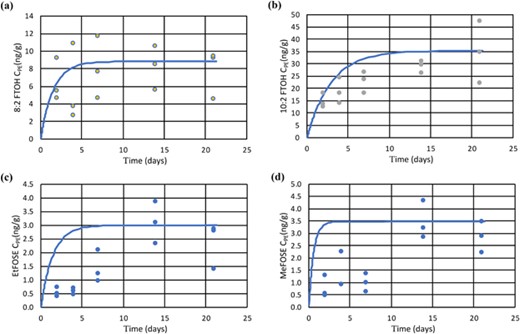
Field‐testing polyethylene passive samplers for the detection of neutral polyfluorinated alkyl substances in air and water
Abstract . Fluorotelomer alcohols (FTOHs), perfluorooctane‐sulfonamidoethanols (FOSEs), perfluorooctane‐sulfonamides (FOSAs), and other poly‐ and perfluori
County-level associations between drinking water PFAS contamination and COVID-19 mortality in the United States
Epidemiologic and animal studies both support relationships between exposures to per- and polyfluoroalkyl substances (PFAS) and harmful effects on the immune system. Accordingly, PFAS have been identified as potential environmental risk factors for adverse COVID-19 outcomes.
U.S. Municipal Wastewater Organofluorine
Code to recreate analyses in study Ruyle et al. "High organofluorine concentrations in municipal wastewater affect downstream drinking water supplies for millions of Americans." Proceedings of the National Academy of Sciences. https://doi.org/10.1073/pnas.2417156122. The TOP+BI code is also available at https://github.com/SunderlandLab/oxidizable-pfas-precursor-inference. The nationwide EOF discharge code is also available at https://github.com/SunderlandLab/eof-wastewater.