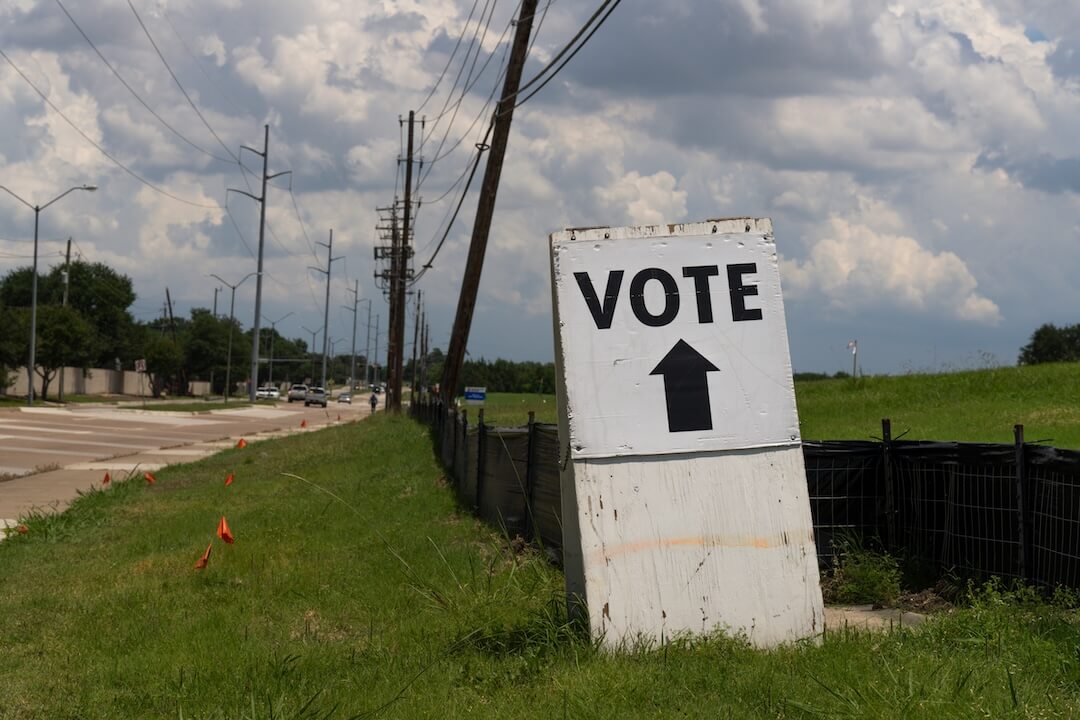
On X, the “rigged election” crowd is pushing rumors around a video clip of election workers in Arizona, working late at night, allegedly doing something nefarious.
Recent Utah, Texas incidents fuel rumors and political narratives undermining trust in election integrity
A CIP Election Rumor Rundown
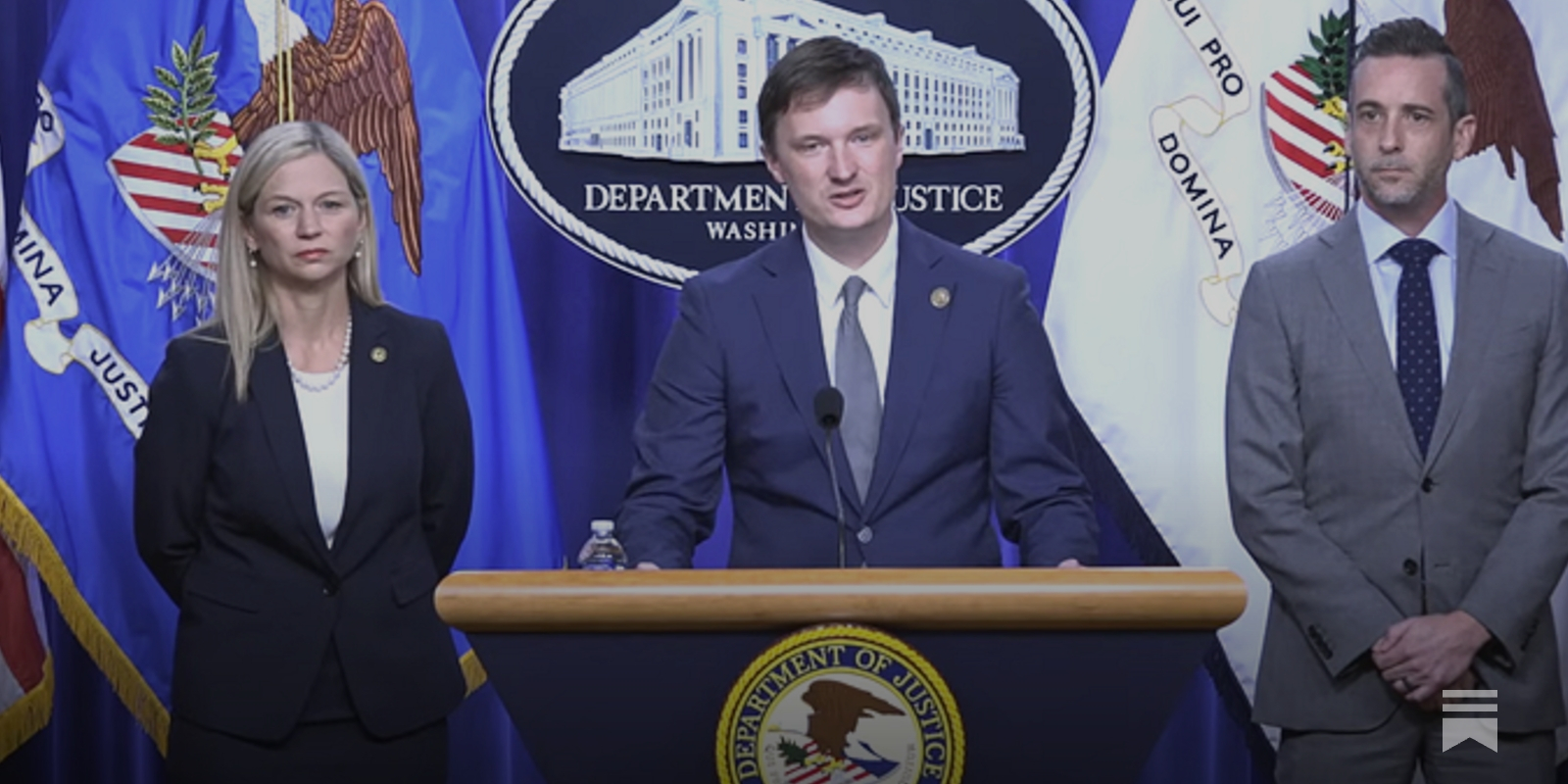
Election Rumor Rundown for October 13: Emerging rumors around voting machines and ‘ballot dumping’
DHS reports misconstrue vulnerabilities as having been exploited, “Ballot Dumping” in Valley Center misleadingly suggest mass voter fraud, and prediction markets already advertising election bettin…

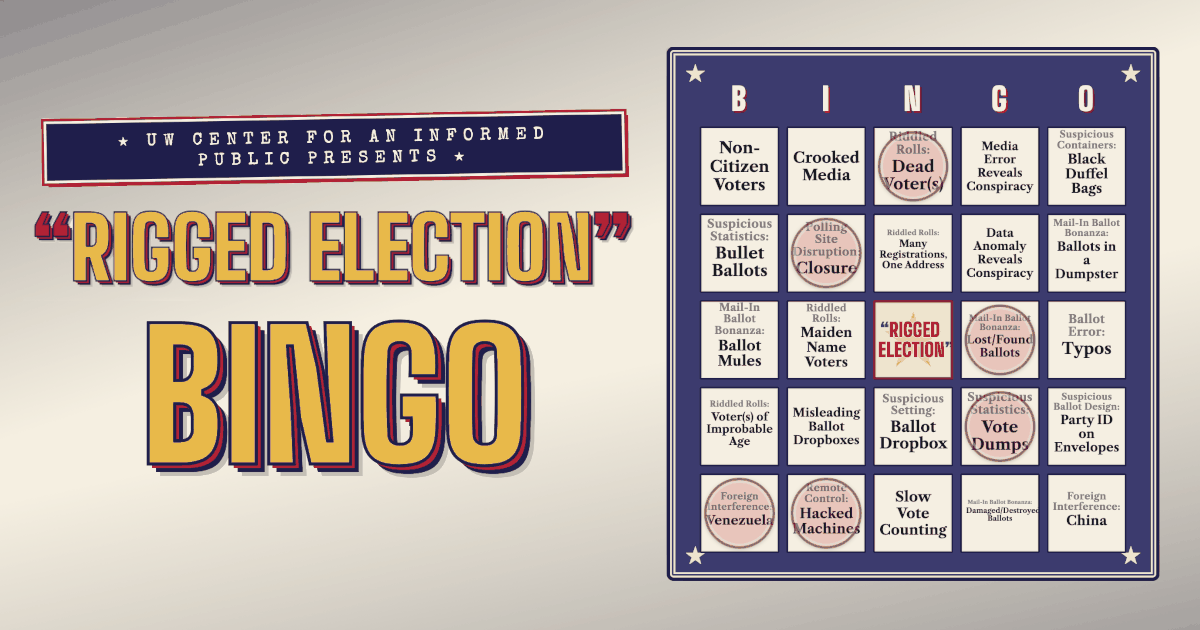
"Rigged Election" Bingo
Spot the tropes before they spread. Recognize the common story elements behind election rumors — can you get BINGO?
The Plot to Subvert an Election: Unraveling the Russia Story So Far (Published 2018)
For two years, Americans have tried to absorb the details of the 2016 attack: spies, leaked emails, social media fraud — and President Trump’s claims that it’s all a hoax. The Times explores what we know and what it means.

Deep Storytelling: Collective Sensemaking and Layers of Meaning in U.S. Elections
Misinformation and disinformation about elections remain pressing concerns for researchers, policymakers, and the public. Critics, however, argue that fears surrounding these issues are exaggerated due to a lack of evidence of impact. This debate highlights the challenges inherent in assessing the impacts of misinformation, as the drivers of false and misleading content often exist in the context of a specific claim. To address this issue, we examined false and misleading information surrounding the 2020 and 2022 U.S. national elections, focusing on the contextual features of online conversations that fueled various rumors. We developed two qualitative codebooks, creating the second after realizing that the first, which labeled individual tweets, failed to capture broader rumoring dynamics. By integrating multi-layered qualitative coding with thematic analysis and quantitative visualizations, we show how influencers, political elites, and audiences collaboratively told deep stories from 2020 through 2022. As these stories were told, audiences interpreted events in 2022 through the lens of the 2020 story, guided by influencers' cues, leading to an evolution in storytelling style between the two election cycles. This ongoing performance was tailored to align with the incentive structures, affordances, and attention economy of social media. We combine deep stories with theories of collective sensemaking and rumoring, creating a framework to better assess the contextual features surrounding false and misleading information.

Election Disinformation in Different Languages is a Big Problem in the U.S.
And it’s driving a wedge between voters in non-English communities Mis- and disinformation about elections predate the endless scroll of modern social media services. [1] Yet easy access to online information channels and amplification tools enable false narratives to spread at a massive scale. When false narratives are combined with data voids and unique cultural […]
Stop and Consider:Our campaign
During a federal election there is a large amount of information being distributed, much of it online, which is seeking to influence your vote. Some of this may be disinformation, or false information.

Anticipating Election Misinformation in the 2026 Midterms
Election misinformation often follows the same pattern every cycle. Here are some of the false and misleading claims that voters are likely to see.
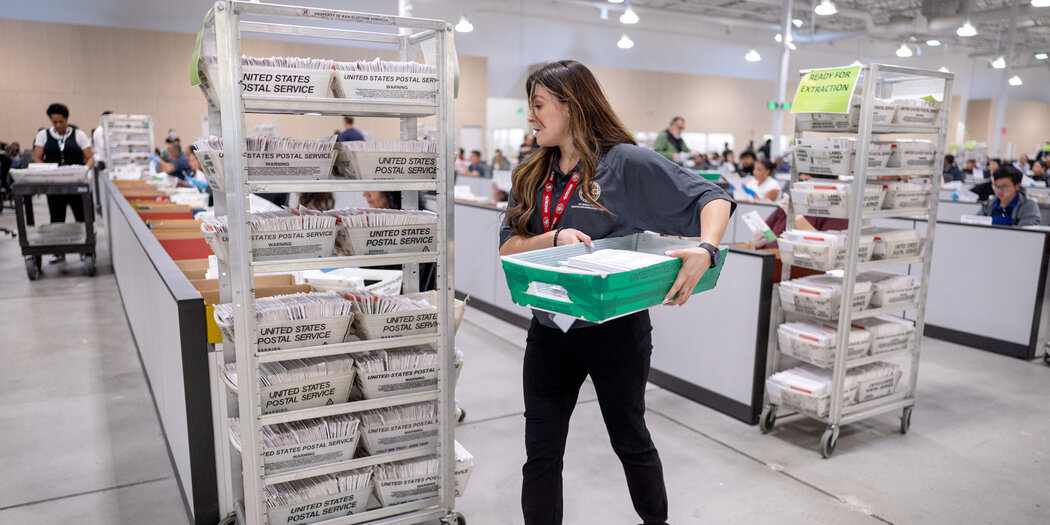
How Trump’s obsession with ‘rigged’ voting machines spread across US government
The effort to prove the 2020 election "stolen" failed. Diehards remain undeterred.

Russian disinformation campaign sets sights on US midterms
A Russian disinformation operation has turned its attention to the US midterm elections, unleashing a series of deepfake videos that depict celebrities attacking Democrats, researchers said, with more…

Russian Bots Manipulate View Counts on Fake Videos Ahead of US Midterms
State-backed Matryoshka campaign targeting Democrats inflates view counts of fabricated stories, creating illusion of popularity.
The Liar’s Dividend: Can Politicians Claim Misinformation to Evade Accountability?
This study addresses the phenomenon of misinformation about misinformation, or politicians "crying wolf"' over fake news. Strategic and false claims that stories are fake news or deepfakes may benefit politicians by helping them maintain support after a scandal. We posit that this benefit, known as the "liar's dividend," may be achieved through two politician strategies: by invoking informational uncertainty or by encouraging oppositional rallying of core supporters. We administer five survey experiments to over 15,000 American adults detailing hypothetical politician responses to stories describing real politician scandals. We find that claims of misinformation representing both strategies raise politician support across partisan subgroups. These strategies are effective against text-based reports of scandals, but are largely ineffective against video evidence and do not reduce general trust in media. Finally, these false claims produce greater dividends for politicians than alternative responses to scandal, such as remaining silent or apologizing.
Commentary: The blueprint for fighting Trump's attempt to sabotage the election, drawn up in Minnesota • Minnesota Reformer
The evidence is all around us, but you have to connect dots and see the full picture.

Politics News | Breaking Political News, Video & Analysis-ABC News
ABC News is your trusted source on political news stories and videos. Get the latest coverage and analysis on everything from the Trump presidency, Senate, House and Supreme Court.

Politics News | Breaking Political News, Video & Analysis-ABC News
ABC News is your trusted source on political news stories and videos. Get the latest coverage and analysis on everything from the Trump presidency, Senate, House and Supreme Court.
In Texas, AI-generated political ads are blurring the line between real and fake - Poynter
Experts say increasingly realistic campaign ads could make it harder for voters to distinguish authentic messages from fabricated ones