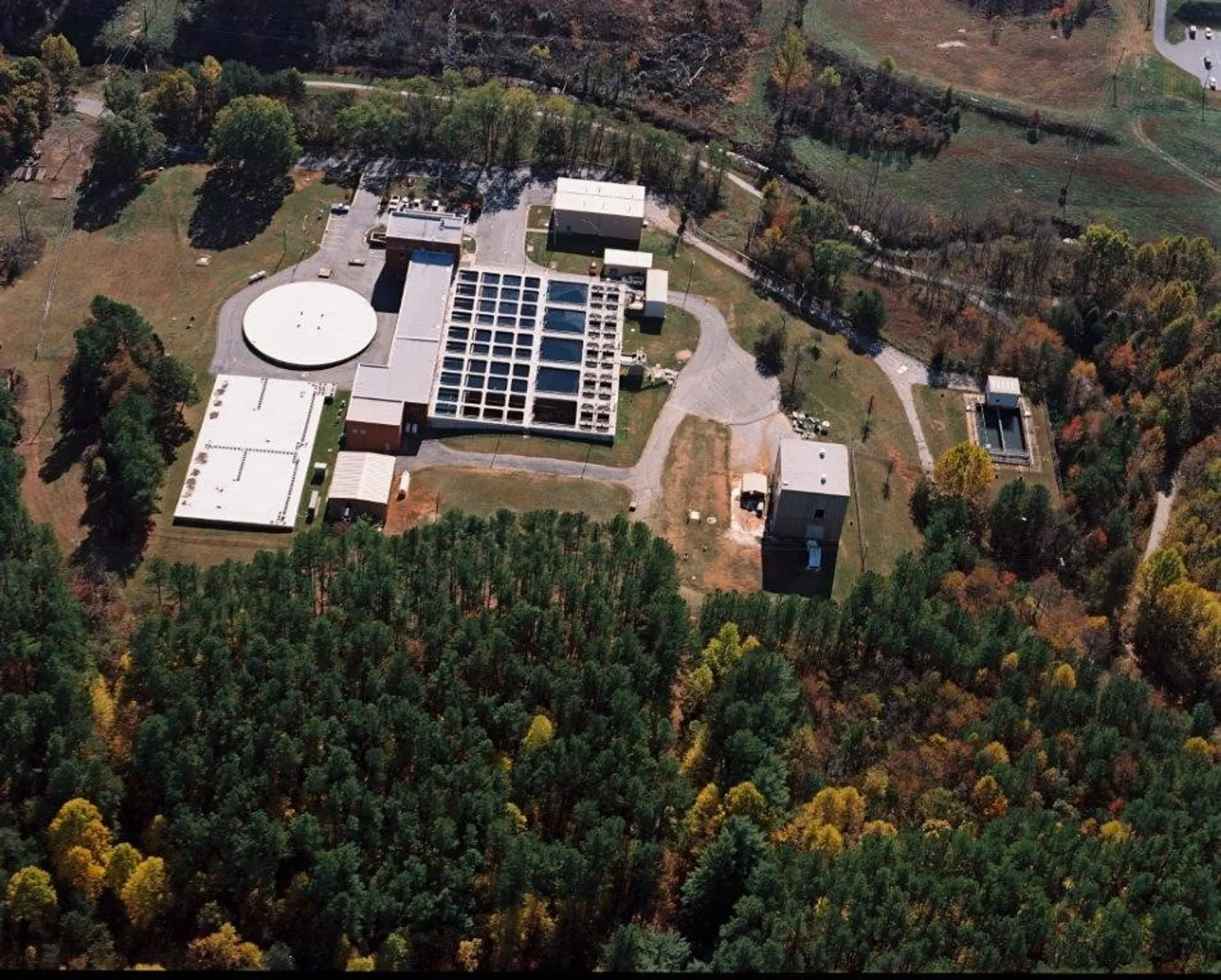
Winston-Salem/Forsyth County Utilities operates three water treatment facilities drawing water from both the Yadkin River and Salem Lake. Together, these water treatment facilities can produce up to 91 million gallons of drinking water per day. The Neilson and Swann Water Treatment Plants can treat 48 and 25 million gallons per day, respectively, from the Yadkin River. The Thomas Water Treatment Plant can treat 18 million gallons per day from Salem Lake and the Yadkin River.
2025 Water Quality Report: Statesville Water Quality Report Released – All State & Federal Standards Met
The City of Statesville has released its 2025 Water Quality Report, confirming that the City’s drinking water meets or exceeds all health standards set by the U.S. Environmental Protection Agency (EPA) and the North Carolina Department of Environmental and Natural Resources (DENR).
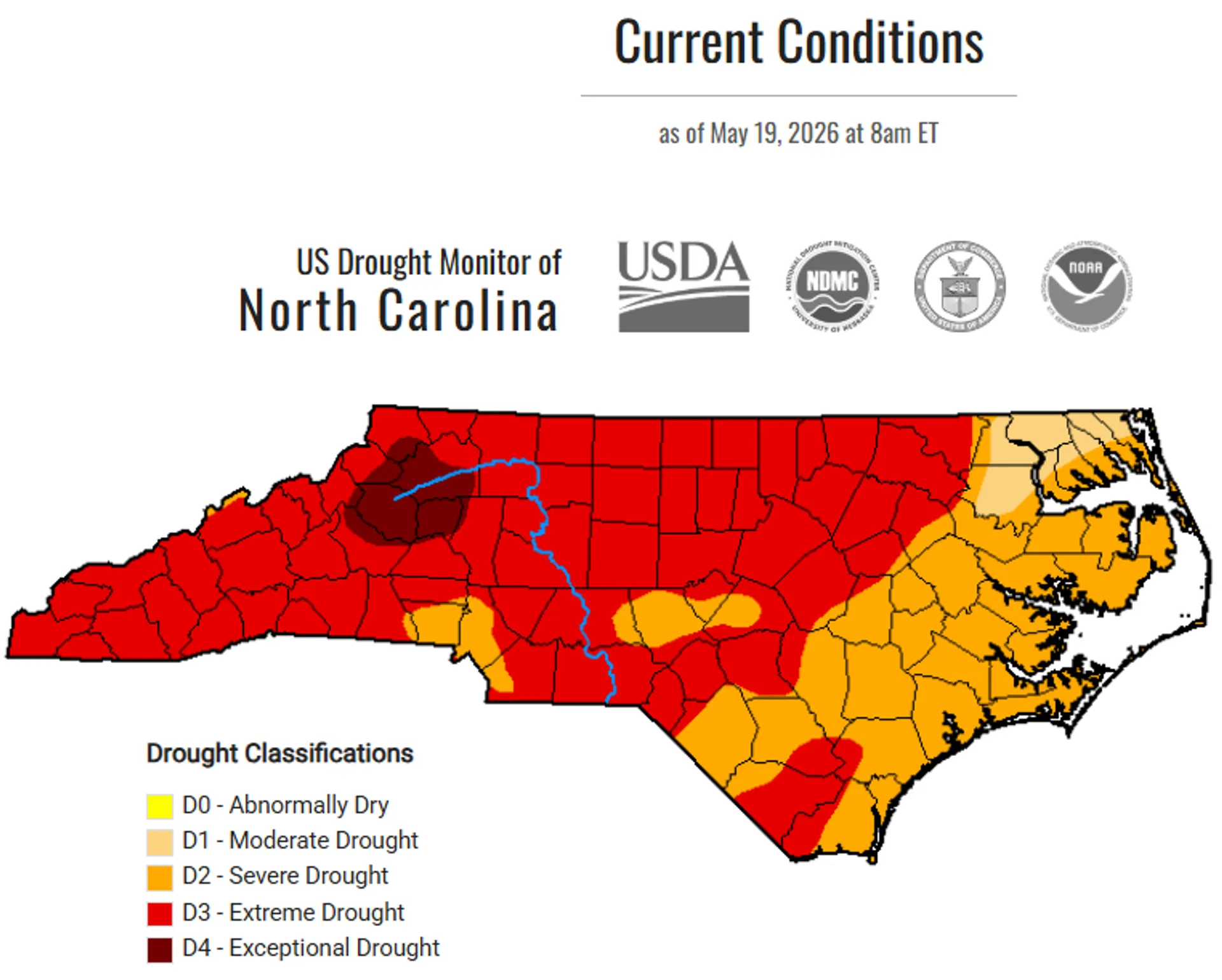
City of Statesville Moves to Stage 2 Water Restrictions
The City of Statesville is currently under Stage 3 (Extreme Drought) conditions. Beginning at 8 a.m. on May 4, 2026, the City will enforce water use restrictions with fines. This enforcement action is authorized under 15A NCAC 02E .0607, the City of Statesville Code of Ordinances, Section 23, Division 2 (Water Shortage Response Procedures), and the City of Statesville Water Shortage Response Plan (adopted June 5, 2023), following a drought advisory issued by the North Carolina Drought Management Advisory Council and the establishment of the City’s Water Shortage Leadership Team on April 22, 2026.
Amazon’s data centers used 2.5 billion gallons of water last year
Amazon’s using a lot of water, but claims it’s using it efficiently.

A data center drained 30M gallons of water unnoticed — until residents complained about low water pressure
Residents in Fayetteville, Georgia, noticed low water pressure last year. The utility discovered two unaccounted-for water connections at one of the nation’s largest data center campuses.
A data center drained 30M gallons of water unnoticed — until residents complained about low water pressure
Residents in Fayetteville, Georgia, noticed low water pressure last year. The utility discovered two unaccounted-for water connections at one of the nation’s largest data center campuses.

A Century-Old Drought Offers Parallels to Today - North Carolina State Climate Office
As we remain mired in our worst statewide drought in more than 18 years, comparisons with historical droughts -- especially that memorable 2007-08 event -- have become common in recent weeks, including in our own assessment of the current drought and its impacts. We've generally labeled the 2007-08 drought as the worst in North Carolina's

When it comes to total water use, AI data centers are a drop in the bucket
Even moderately sized data centers can have an outsized local impact.

Kimball Farm | Ice Cream & Summer Fun
Visit Kimball Farm for homemade ice cream, fresh seafood, and outdoor fun in Westford, Lancaster, Carlisle, and Jaffrey. A sweet tradition since 1939!

Water Use Isn’t a Data Center Problem, It’s an AI Problem
Critics of the AI build-out are picking the wrong fight when they attack data centers for their water use. But they are right when they say the digital economy is getting thirstier and the tech industry should answer for it.The whole AI supply chain is water intensive, and reducing use in one ...

Meta’s Bacterial Mystery Could Poison the Data Center Well
Water pollution in Wyoming has big implications for the future of data center development.

Experiment in reducing target directory size on nightly | Inside Rust Blog
Want to follow along with Rust development? Curious how you might get involved? Take a look!

Hugh Wilson (New Zealand botanist)
Hugh Dale Wilson is a New Zealand botanist. He has written and illustrated a number of books about New Zealand plants, and manages Hinewai Reserve on Banks Peninsula.

State of the Water Industry
What topics and trends are driving the water community forward? Read the AWWA State of the Water Industry Report for data-driven insights into key issues.
Data center guzzled 30 million gallons of water and nobody noticed for months
Can AI save us from the AI industry’s endless thirst for water? Outlook not so good.