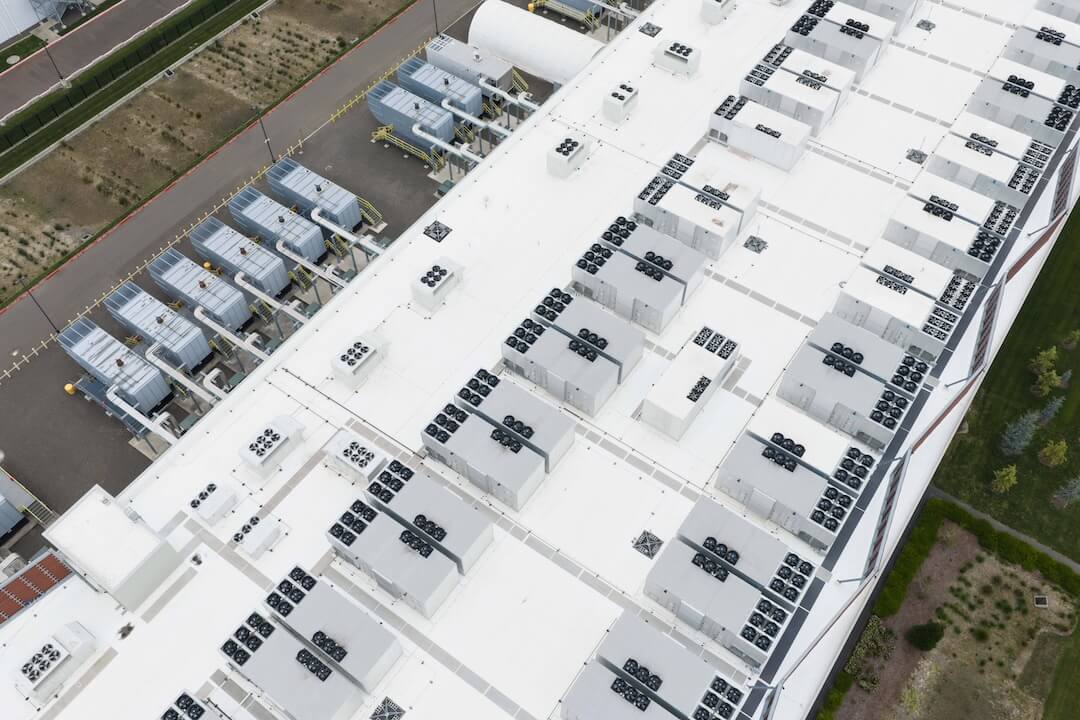
The impact of the AI industry on electricity prices has turned into a major political flashpoint ahead of the midterm elections this November.
Have Data Centers Raised Your Electric Bill? Causal Evidence from the United States
We estimate that data centers caused average retail electricity rates to fall modestly in the United States from 2015 to 2024 using an instrumental variables approach. Despite prevailing sentiment, the finding is consistent with economic reasoning: existing large power system fixed costs, economies of scale in transmission and distribution, and declining unit costs for generation imply that durable demand growth lowers average prices. We find patterns of economies of scale for transmission, distribution, and generation costs as well as within and across retail customer classes. We caution that future supply constraints could reverse the effect.
US data centers’ energy use amid the artificial intelligence boom
Data centers accounted for 4% of total U.S. electricity use in 2024. Their energy demand is expected to more than double by 2030.

AI Data Centers: Big Tech's Impact on Electric Bills, Water, and More via @ConsumerReports
Massive data centers are gobbling up resources across the United States. The boom has just begun—and you may be paying for it.
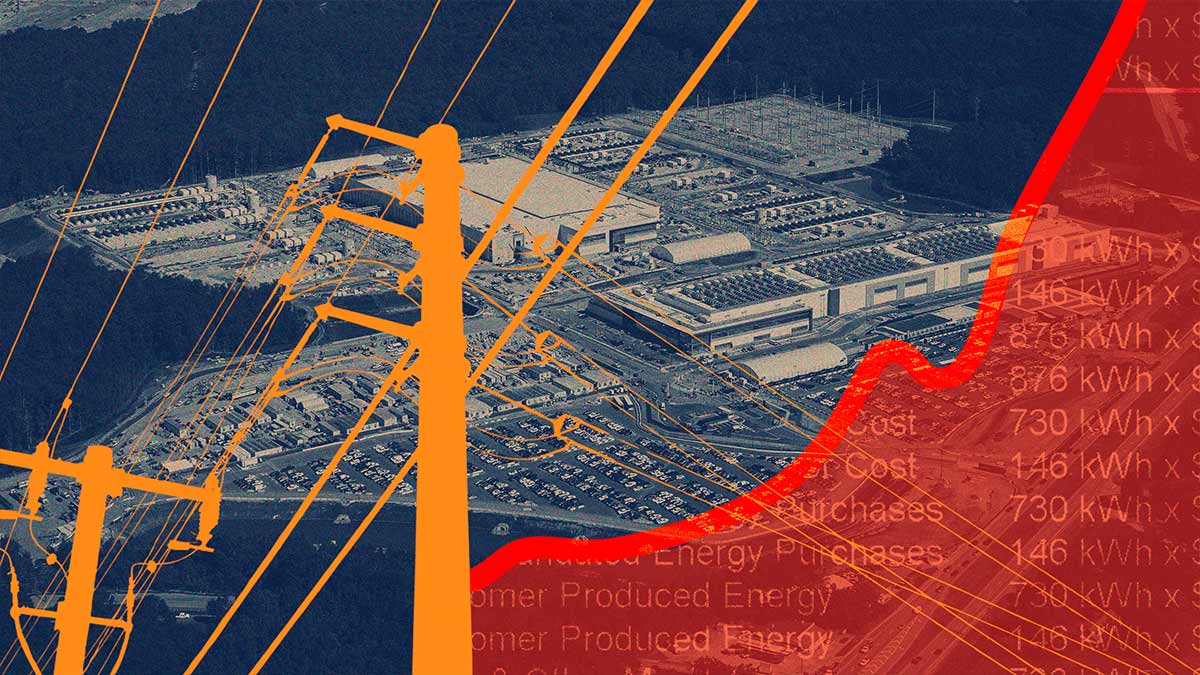
The UK tech energy grab: how AI data centres are delaying the building of homes
Artificial intelligence infrastructure is being handed priority access to Britain's overwhelmed electricity grid, pushing housing down the list. But as the US shows, there's an alternative: make Big Tech pay for the power it needs. Report by Nicole Kobie

It may be almost impossible to make data centers pay their ‘fair share’ of electricity costs
Setting a price for power might seem straightforward, but in reality it’s extremely complicated – and residential customers have very little influence in the decision.
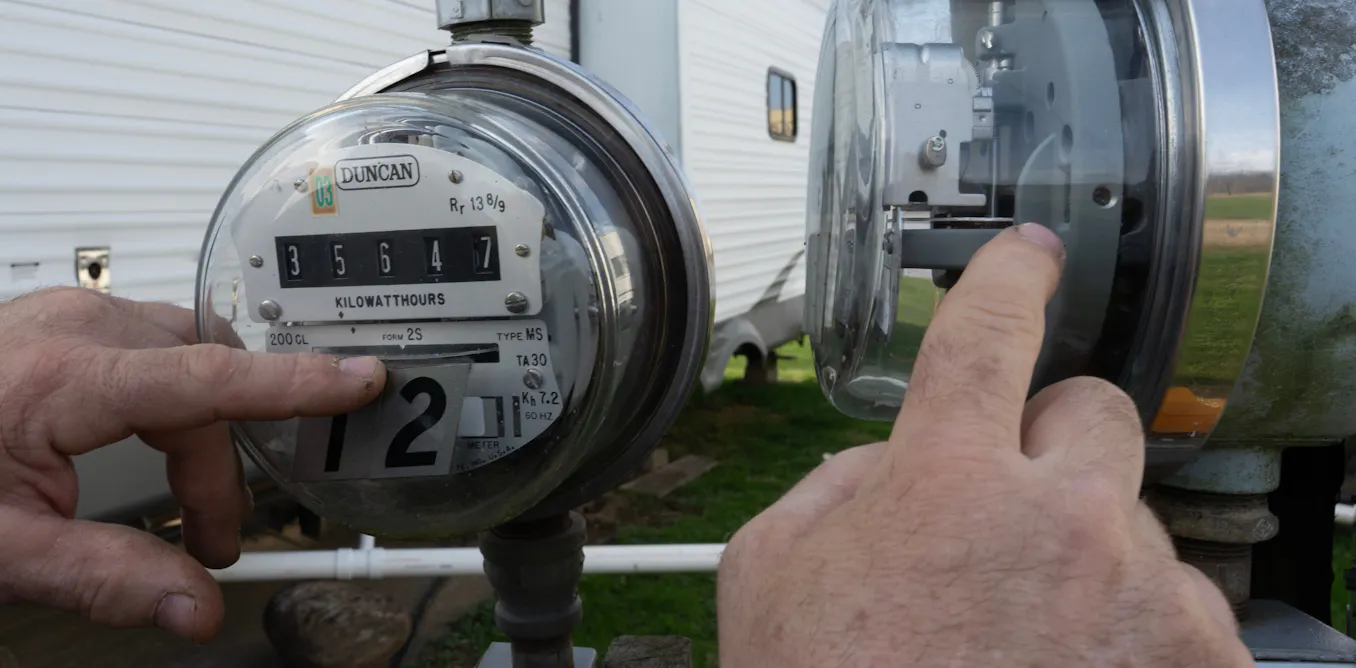
It may be almost impossible to make data centers pay their ‘fair share’ of electricity costs
Setting a price for power might seem straightforward, but in reality it’s extremely complicated – and residential customers have very little influence in the decision.
Are Africa’s power grids ready for the AI data centre boom?
African countries should plan for the AI economy by developing power and digital systems together, and treating data centres as strategic infrastructure.
Ireland’s datacentres overtake electricity use of all urban homes combined
Statistics raise concerns that rise in demand for data processing driven by AI could derail climate targets

The Race to Rethink Data Centers for AI’s Power Surge
With energy demand already straining infrastructure, AI players are reimagining the data center from the ground up.

Amazon Data Centers In Mississippi Have Already Raised Electricity Rates for Local Customers, Report Suggests
Three Amazon data centers aren't even open yet, but local residents are already paying at least $10.60 extra per month for them, according to a new study.
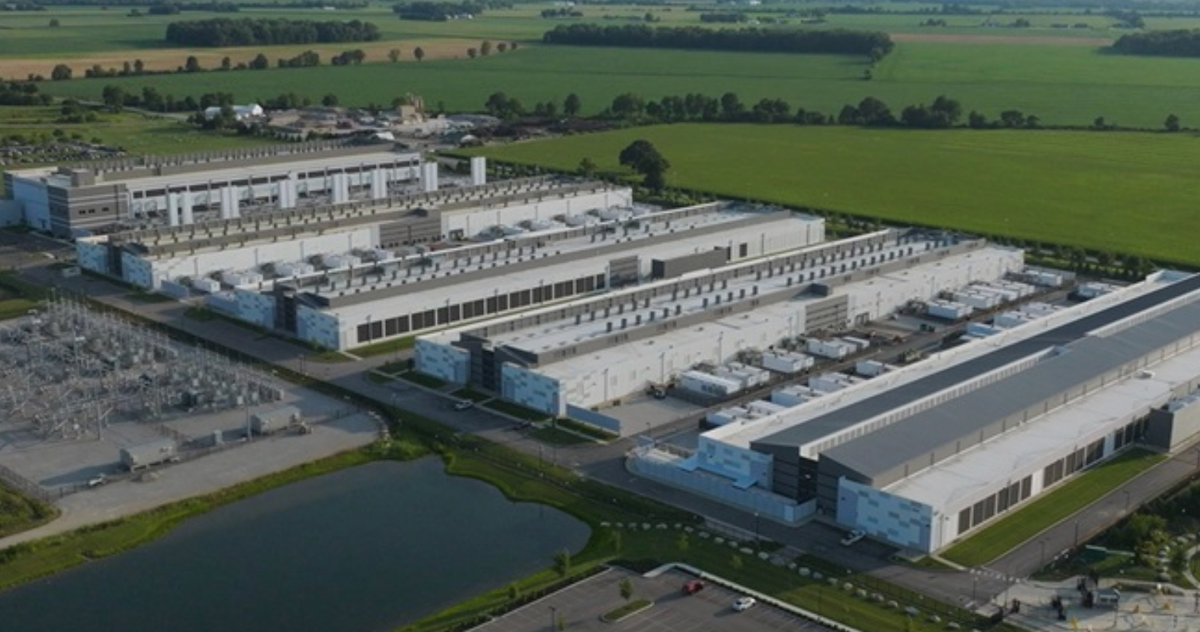
How AI Is Transforming Data Center Power and Creating a $4 Billion Opportunity for Energy Storage
AI's Power Swings Are Driving Battery Adoption Beyond Traditional UPS
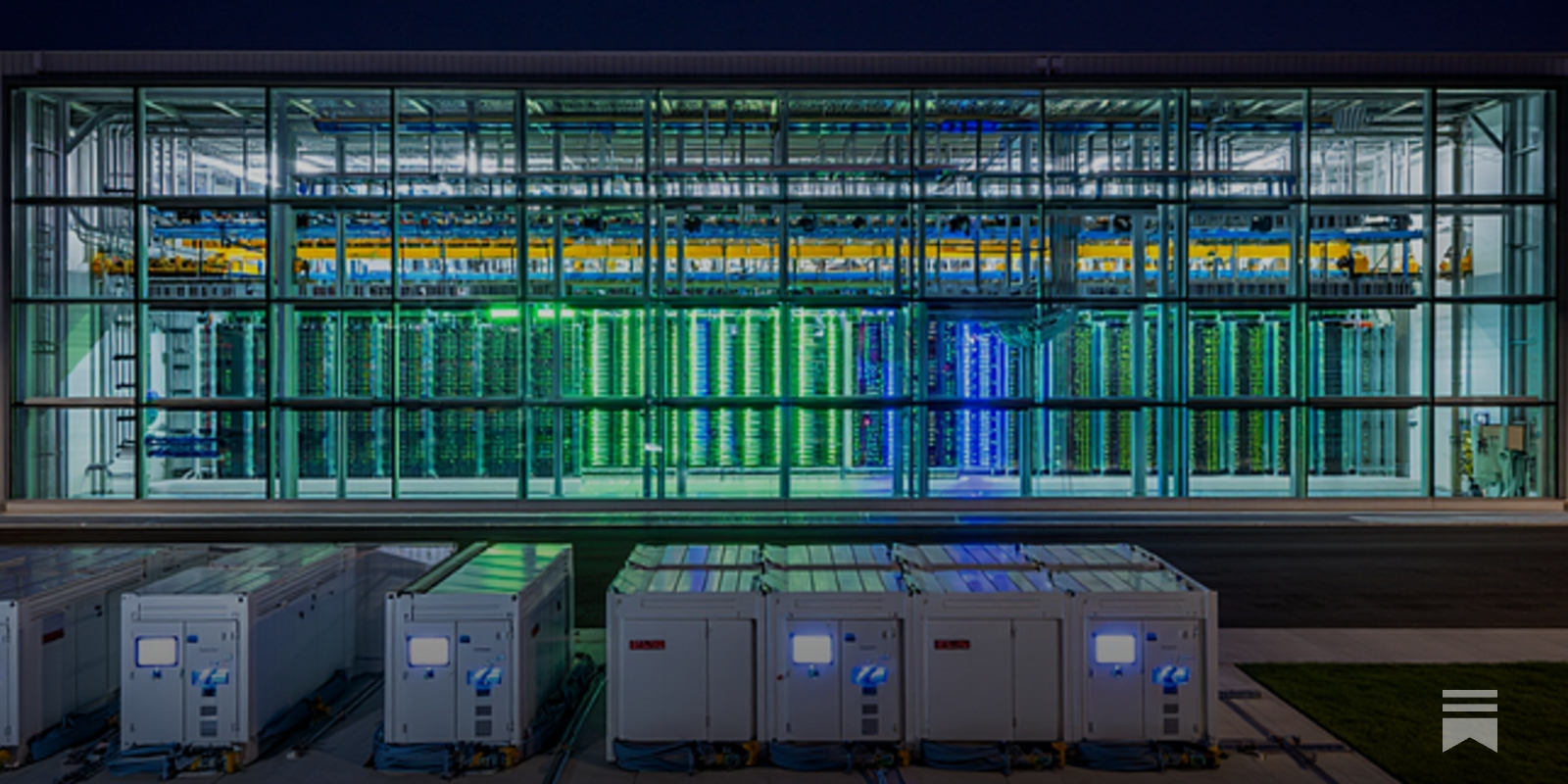
Power system costs and emissions from data center and cryptocurrency mining expansion in the United States
Abstract Rapid growth in electricity demand from data centers and cryptocurrency mining could significantly alter the trajectory of the United States’ power sector. We use an energy system optimization model to evaluate how projected demand through 2030 may influence electricity generation, power infrastructure investment, emissions, and costs under a range of scenarios. We model power sector capacity expansion and dispatch decisions across 26 interconnected power regions, incorporating policy constraints and spatial variation in renewable resources and transmission infrastructure. We find that data center and cryptocurrency demand could increase 2030 power sector CO 2 emissions by up to 28% relative to a future with no data center growth, driven by increased generation from natural gas and coal plants. Regional effects vary substantially: coal-fired generation rebounds to meet demand in Northern Virginia, while Texas accommodates growth primarily through natural gas generation. Electricity costs, as measured by demand-weighted locational marginal prices, rise by up to 57% in some regions, with a national average increase of 6%–29% across the modeled scenarios. Outcomes are highly sensitive to natural gas prices. Lower natural gas prices are associated with lower emissions before considering data center demand (with natural gas displacing coal), but result in large incremental emissions attributed to data centers as coal power utilization increases to meet the increased load. In contrast, higher natural gas prices shift a greater share of new demand toward cost-competitive renewable resources, thereby moderating emissions impacts. Reinstating federal incentives for renewable electricity would dampen both the cost and emissions attributable to data center demand. Distributing new data center and cryptocurrency demand more broadly across the grid reduces regional price spikes, but has little effect on national average electricity costs. Overall, these findings highlight the need for proactive planning and targeted policy to ensure that growing data center electricity demand does not strain efforts to achieve near-term climate and affordability goals.
What Is the Economic Impact of Data Centers? It’s a Secret. - Inside Climate News
N.C. Gov. Josh Stein wants state lawmakers to rethink tax breaks for data centers. The industry’s opacity makes it difficult to evaluate costs and benefits.
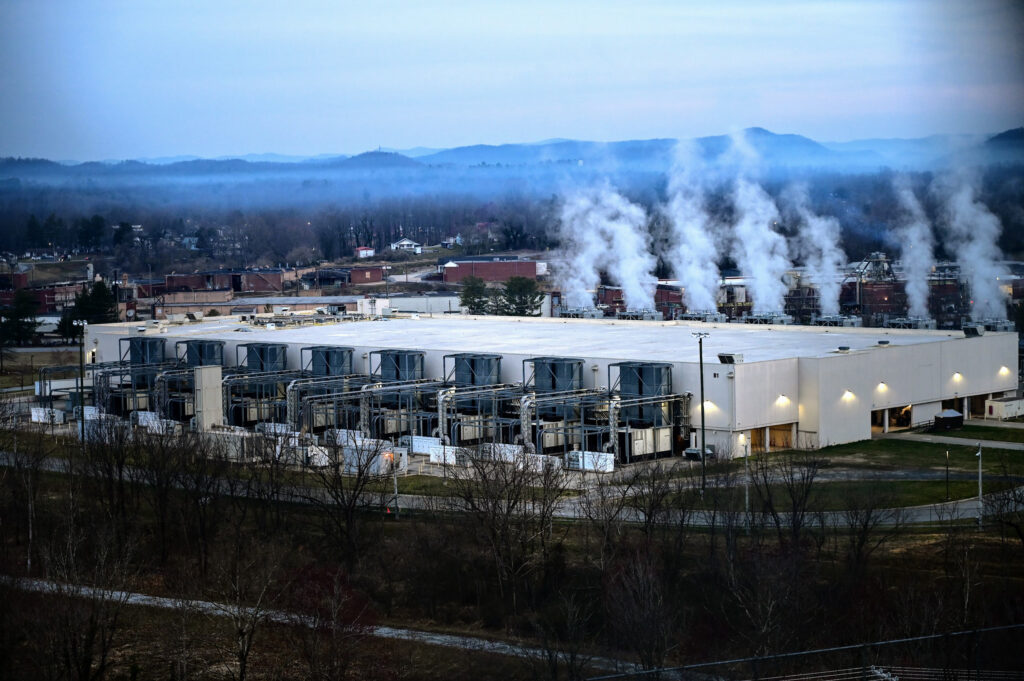
Will AI really consume more electricity than the US produces? - Poynter
President Trump said AI could need nearly twice the nation’s electricity, but credible projections put its future share at no more than 25%