Just a few minutes of gazing into a small red light each day may help stave off eyesight decline as we age, a new study finds. If the results are replicated in future studies, the work could have relevance for a spectrum of aging-related conditions.
A Review of the Ray-ban Meta AI Glasses for People With Low Vision
In the small group of professional certified vision rehabilitation therapists (CVRT), to which I belong, it is not uncommon for us to use the term “magic glasses.” These are the glasses some of our clients hope to find that will improve or restore their vision. It makes sense—in that for many of them, a new prescription once brought things back into focus. Vision loss from macular degeneration, glaucoma, diabetes, and other conditions is usually something that can be managed with proper care, but vision is not typically restored to what it once was. Still, the myth or hope for the magic glasses persists.
The myopia boom
Short-sightedness is reaching epidemic proportions. Some scientists think they have found a reason why.

Getting more light in the day and less at night is good for your health. Here's why
Diet, exercise and sleep are fundamental to our health, but so it our relationship to light. A massive, new study suggests light-driven disruption can take years off our lives.
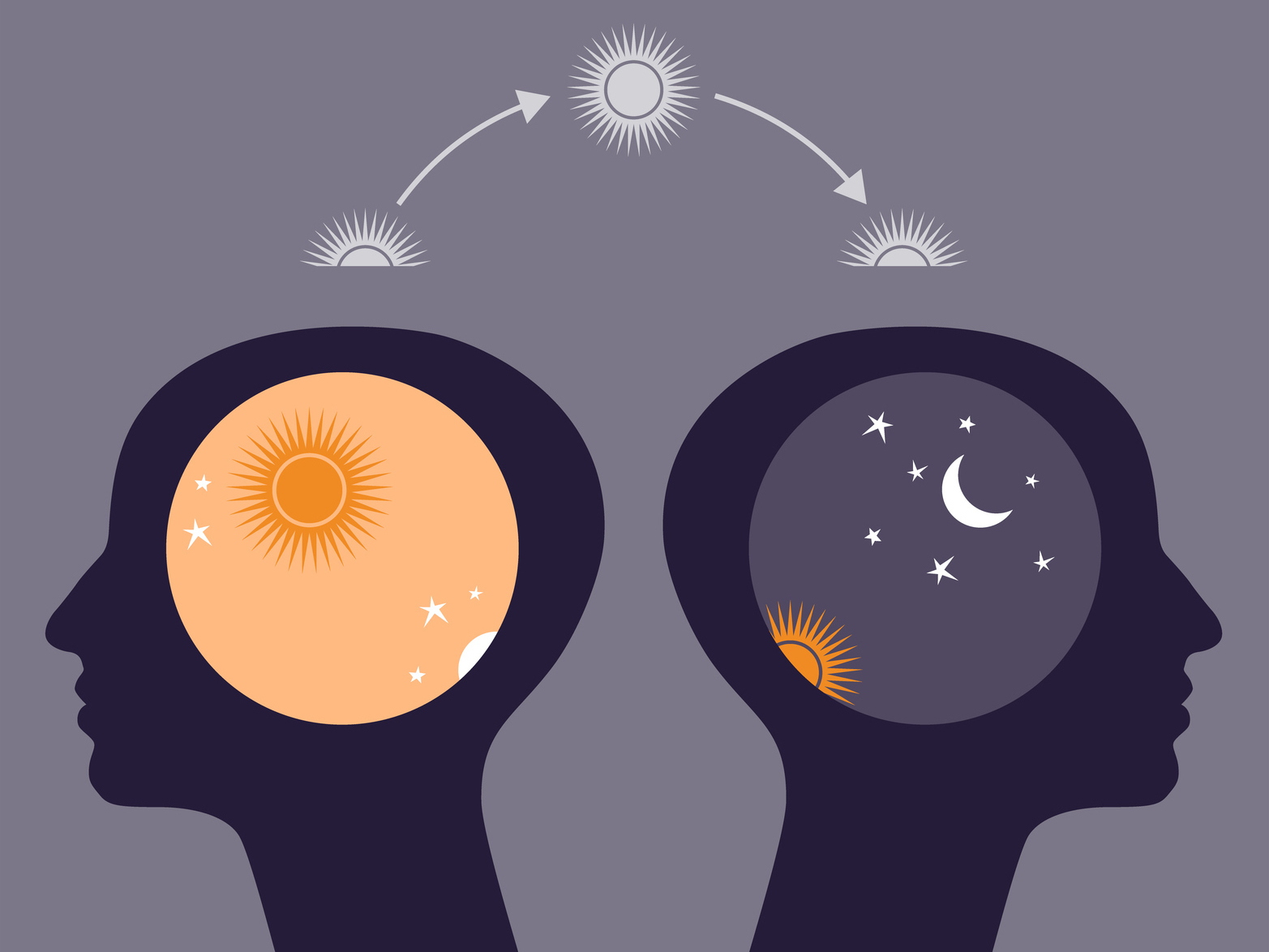
The Best and Worst Habits for Eyesight (Published 2023)
Are carrots good? Is blue light bad? Experts weigh in on nine common beliefs.

How to improve your WFH lighting to reduce eye strain | Russell Baylis - Designer
I work from home everyday, I am susceptible to eye strain, eye pain, and dizziness. Having a working environment that’s as easy on my eyes as possible is of critical importance. I'd like to share what I've learned over the years in hopes that it can be helpful to you if you work from home, and like many, have experienced WFH eye strain.
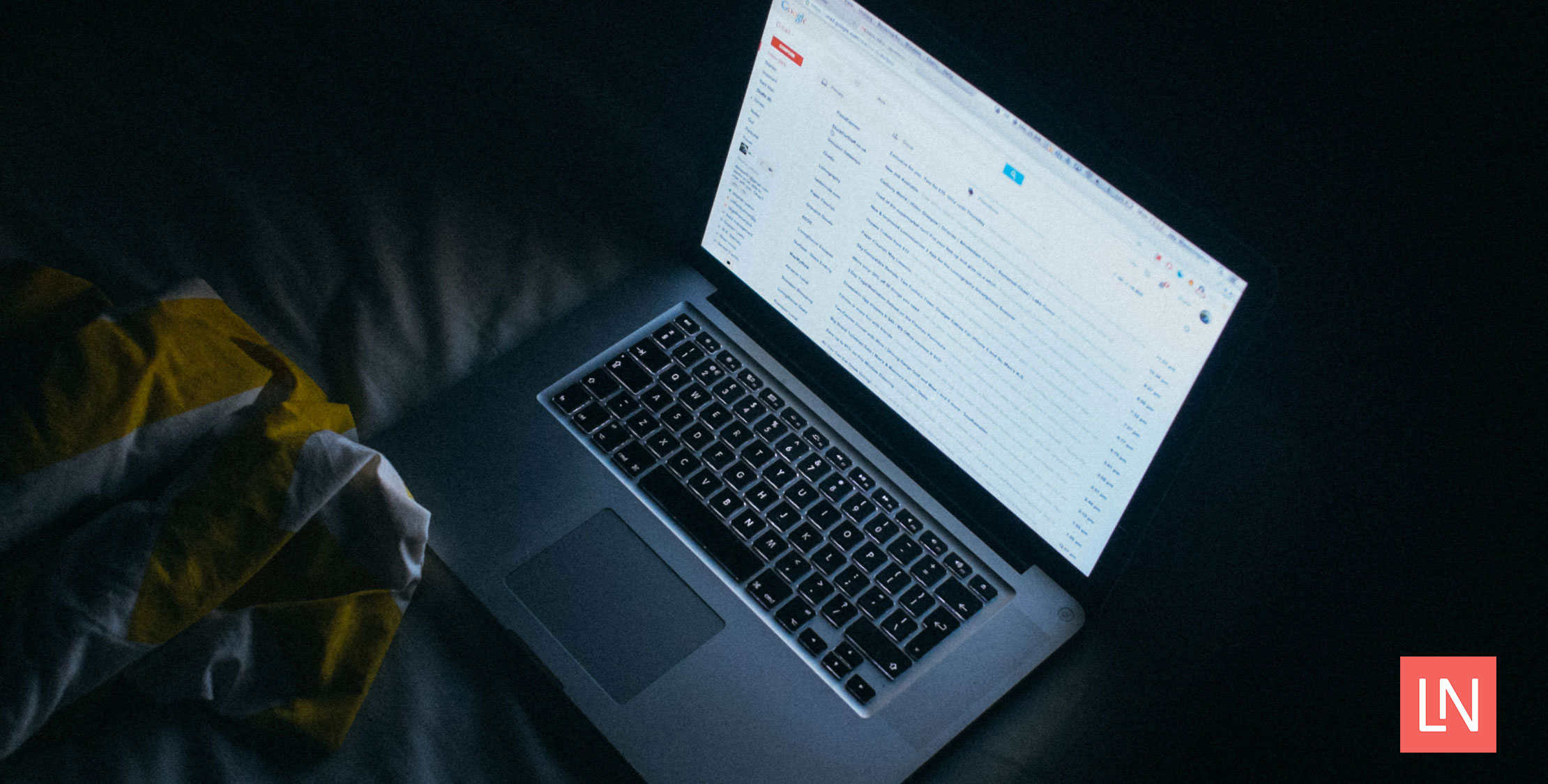
Staring At A Computer All Day (Or Night) Totally Does Affect Your Eyes
Do you spend more than seven hours a day parked in front of a computer monitor? Results from a newly published study suggest you could be stripping your

New technique to deliver stem cell therapy may help damaged eyes regain their sight
Engineers have developed a new technique for delivering stem cell therapy to the eye which they hope will help the natural repair of eyes damaged by accident or disease. This could help millions of people across the world retain – or even regain - their sight.

Smart Glasses for Older Adults With Cognitive Impairment: A Scoping Review
This study aimed to identify and synthesize peer-reviewed literature on smart glasses for older adults with cognitive impairment. The review focused on (1) the technology and equipment used, (2) the specific tasks smart glasses are designed to support, (3) feasibility outcomes, when measured, and (4) the quality of the reviewed articles.


We’re Squandering LEDs’ Potential to Save Our Night Skies
Bad decisions have turned efficient technology into a driver of light pollution. There is a better way

Study Finds Growing Workplace Use of Smart Glasses and Generative AI Among Workers with Visual Impairments | Naric
A study funded by the National Institute on Disability, Independent Living, and Rehabilitation Research (NIDILRR).
Infrared Contact Lenses Allow People To See In the Dark, Even With Eyes Closed - Slashdot
An anonymous reader quotes a report from Phys.Org: Neuroscientists and materials scientists have created contact lenses that enable infrared vision in both humans and mice by converting infrared light into visible light. Unlike infrared night vision goggles, the contact lenses, described in the jour...

Study Reveals a Surprising Cause of Cognitive Decline—and the Key to Reversing It
Researchers pinpoint a lone protein that speeds up the dysfunction of an aging brain. Eliminating it, they claim, can reverse the damage. But there are big hurdles before a treatment is approved.

Computer Vision Syndrome
In no point in human history have people been staring at bright screens just a few feet from their face like they are today. Computer vision syndrome or CVS (no…
Will Their Bionic Eyes Be Obsolete and Unsupported Too?
As another retinal implant company goes broke, the tech’s future dims

Personal night light exposure predicts incidence of cardiovascular diseases in >88,000 individuals
Importance Light at night causes circadian disruption, which is a known risk factor for adverse cardiovascular outcomes. However, it is not well understood whether personal light exposure patterns predicts and individual’s risk of cardiovascular diseases. Objective To assess whether day and night light exposure predicts incidence of cardiovascular diseases, and whether relationships of light with cardiovascular diseases differ according to genetic susceptibility, sex, and age. Design Prospective cohort study. Setting United Kingdom. Participants N=88,905, age (M±SD) = 62.4±7.8 years, 56.9% female. Exposure Approximately 13 million hours of personal light exposure data, tracked by wrist-worn light sensors (one week each). Main Outcomes and Measures Incidence of coronary artery disease, myocardial infarction, heart failure, atrial fibrillation, and stroke, derived from UK National Health Service records, across a 9.5-year follow-up after light tracking. Results People with the brightest nights (90-100th percentiles) had significantly higher risks of developing coronary artery disease (adjusted-HR range: 1.23-1.32), myocardial infarction (aHRs: 1.42-1.47), heart failure (aHRs: 1.45-1.56), atrial fibrillation (aHRs: 1.28-1.32), and stroke (aHRs: 1.28-1.30), compared to people with dark nights (0-50th percentiles). These relationships were robust after adjusting for established risk factors for cardiovascular health, including physical activity, smoking, alcohol, diet, sleep duration, socioeconomic status, and polygenic risk. Relationships of night light with risk of heart failure and coronary artery disease were stronger for women, and relationships of night light with risk of heart failure and atrial fibrillation were stronger for younger individuals in this cohort. Conclusions and Relevance Night light exposure was a significant risk factor for developing cardiovascular diseases in this cohort. In addition to current preventative measures, avoiding light at night may be a useful strategy for reducing risks of cardiovascular diseases. Question Does personal light exposure predict incidence of cardiovascular diseases? Findings In this study of ∼89,000 adults aged >40 years, exposure to brighter light at night predicted higher incidence of coronary artery disease, myocardial infarction, heart failure, atrial fibrillation, and stroke, independent of established cardiovascular risk factors. Meaning Avoiding exposure to night light may lower risk for cardiovascular diseases. ### Competing Interest Statement Conflicts of Interest Disclosures: M.K.R. has consulted for Eli Lilly and has modest stock ownership in GSK. M.K.R. disclosures are not related to the current work. F.A.J.L.S. served on the Board of Directors for the Sleep Research Society and has received consulting fees from the University of Alabama at Birmingham and Morehouse School of Medicine. F.A.J.L.S. interests were reviewed and managed by Brigham and Women's Hospital and Partners HealthCare under their conflict-of-interest policies. F.A.J.L.S. consultancies are not related to the current work. S.W.C. has consulted for Dyson. A.J.K.P. and S.W.C. are co-founders and co-directors of Circadian Health Innovations PTY LTD. A.J.K.P. and S.W.C. have received research funding from Versalux and Delos. S.W.C. has received research funding from Beacon Lighting. D.P.W, A.C.B., J.M.L., and R.S. have no conflicts of interest to disclose. ### Funding Statement Funding/Support: D.P.W. was supported by the Australian Research Council (DP210102924 and DP220102812). J.M.L. was supported by National Institutes of Health (NIH) grants R35-GM146839 and R01-HG012810. F.A.J.L.S. partly supported by NIH grants R01-HL140574, R01-HL153969, R01-HL164454, and R01-HL167746. Role of the Funder/Sponsor: Funding sources did not play a role in the design and conduct of the study; collection, management, analysis, or interpretation of the data; preparation, review, or approval of the manuscript; or the final decision to submit the manuscript for publication. ### Author Declarations I confirm all relevant ethical guidelines have been followed, and any necessary IRB and/or ethics committee approvals have been obtained. Yes The details of the IRB/oversight body that provided approval or exemption for the research described are given below: This research was conducted using UK Biobank data (Project ID: 6818), and ethical approval was granted by the North West Multi-centre Research Ethics Committee. The Monash University Human Research Ethics Committee of Monash University also gave ethical approval for this work. I confirm that all necessary patient/participant consent has been obtained and the appropriate institutional forms have been archived, and that any patient/participant/sample identifiers included were not known to anyone (e.g., hospital staff, patients or participants themselves) outside the research group so cannot be used to identify individuals. Yes I understand that all clinical trials and any other prospective interventional studies must be registered with an ICMJE-approved registry, such as ClinicalTrials.gov. I confirm that any such study reported in the manuscript has been registered and the trial registration ID is provided (note: if posting a prospective study registered retrospectively, please provide a statement in the trial ID field explaining why the study was not registered in advance). Yes I have followed all appropriate research reporting guidelines, such as any relevant EQUATOR Network research reporting checklist(s) and other pertinent material, if applicable. Yes All data used in the present work are available upon application to the UK Biobank team. <https://biobank.ndph.ox.ac.uk/showcase/>