


Researchers identified an unusual genetic mutation in orange domestic cats that has not been found in any other animal, according to a new study.
International orange
International orange is a color used in the aerospace industry and maritime industry to set objects apart from their surroundings, similar to safety orange, but deeper and with a more reddish tone.
Of mice and men, cats and grains
When hunter-gatherers started to settle, they created new ecological niches for rodents, which could become a problem as soon as the residents started to grow cereals and wanted to store grains. Cats took over the pest control job to the extent that humans began to appreciate their presence and spread them around the world, along with their cereals and mice. Bioarchaeology and genetic studies are now beginning to reveal the origins of this curious and now ubiquitous ecological constellation. Michael Gross reports.
Limited genomic predictability of complex trait evolution despite genotype-phenotype stability
Whether genomic data can be used to effectively predict adaptation in natural populations is unknown. Here, we tested the efficacy of genomic prediction of complex trait evolution by monitoring genome-wide allele frequencies and pigmentation variation in genetically diverse populations of Drosophila melanogaster during evolution in both field mesocosms and a controlled, lab-based setting. At two points during trait evolution, we produced a high-powered, well-resolved genotype-phenotype map that exhibited marked stability across independent populations. Although we were able to use this map to correctly infer the direction of pigmentation evolution in both the lab and field settings, the particular loci responding to selection were largely unpredictable based on the direction of trait evolution itself. Our results hold implications for the promise, and limitations, of genomic prediction. , Editor’s summary Variant effects depend on the environment as well as the genetic backgrounds in which they arise, which leads to questions about how translatable results found in laboratory settings are to evolution in the wild. Smiley-Rhodes et al . allowed populations of the fruit fly Drosophila melanogaster to evolve in both laboratory and naturalistic settings to study the evolution of pigmentation. Both test populations lightened across replicates, but only variants near known pigmentation genes replicated with previous studies. However, predictions based on the allele frequencies of these variants alone suggested unchanged or increased pigmentation, whereas incorporating all identified variants reflected the real phenotypic changes seen. These results underscore the complicated relationships between variation and environment, even for well-studied traits. —Corinne Simonti , INTRODUCTION Whether genomic data can be used to predict adaptive evolution in natural populations, particularly for genetically complex traits, is unresolved. This task is challenging for two key reasons. First, genotype-phenotype maps are generally constructed within a single population and at a single point in time. Whether the phenotypic effects of trait-associated loci remain stable as populations evolve is unknown. Second, complex trait loci are often pleiotropic and affect multiple fitness-relevant phenotypes. This can decouple the direction of evolution of the trait itself from that of specific trait-associated loci, given that the fitness effect of a locus depends on its effect on all affected traits and their joint impact on fitness. Longitudinal studies that directly measure trait variation and selection on individual loci throughout evolution provide a way to quantify genomic predictability, despite these challenges. RATIONALE Here, we leveraged rapid, repeatable evolution of temperate Drosophila melanogaster populations under seasonally fluctuating selection to quantify the predictability of complex trait evolution. Specifically, we quantified allele frequencies and pigmentation variation over time in genetically diverse populations reared in field mesocosms exposed to natural conditions and in mesocosms housed in a controlled lab setting. At two time points, we conducted high-powered, tail-based mapping to identify loci underpinning pigmentation variation in our focal population. We used the resulting mapping data in conjunction with time-series allele frequency estimates to address the following questions: How stable is the genotype-phenotype map throughout evolution and across environments of selection? Are the loci that underpin variation in pigmentation the same as those that respond to selection and drive trait evolution? How does the complexity of the environment of selection affect genomic predictability? RESULTS The genotype-phenotype map we constructed reaffirmed canonical pigmentation genes, unveiled previously unidentified loci, and exhibited marked stability across independent populations. Although variation across all mapped loci together correctly predicted the direction of pigmentation evolution in both the field and lab mesocosms, the particular loci responding to selection, and thus the architecture of adaptation itself, were largely unpredictable. This was apparent even at the largest-effect, canonical pigmentation genes: Allele frequency shifts at ebony predicted the evolution of lighter pigmentation, consistent with our observations; shifts at tan predicted no change in pigmentation; and shifts at bric-à-brac predicted evolution of darker pigmentation, counter to what occurred. Finally, genomic predictability of trait evolution was lower in the field environment, where shifting environmental conditions likely select on a greater number of traits overall than in the controlled lab setting. CONCLUSION The stability of the genotype-phenotype map we quantified suggests that shifting epistatic landscapes associated with the evolutionary process may not preclude the portability of mapping results across populations if the mapping itself is sufficiently powered. Furthermore, genomic prediction of complex trait evolution in natural settings is feasible but hinges upon a well-resolved genotype-phenotype map that characterizes both large- and moderate-effect loci. Finally, the tendency for large-effect loci to behave in unpredictable ways exemplifies the role of pleiotropic constraint during evolution in natural environments while also demonstrating how such pleiotropic constraint can be overcome through genetic redundancy and shifts at moderate-effect loci. Longitudinal mapping of a complex trait throughout evolution. Ten mesocosms, housed in both a lab and a field environment, were seeded with a diverse D. melanogaster population. Genomic and pigmentation variation were monitored and genotype-phenotype maps were constructed throughout trait evolution. Mapping and time-series genomic data were analyzed jointly to test whether loci underlying trait variation also drove trait evolution through time. [Illustration credit: R. Dhillon]

How to spot a psychopath: ‘It’s like the difference between a domestic cat and a wild cat’
People with persistent predatory personalities cause an inordinate amount of pain. Recently, our shared understanding of them has grown – and it could help protect us

Scientists Say They've Found The Annoying Gene Mutation That Turns Us Into Night Owls
"Carriers of the mutation are essentially playing catch-up for their entire lives."

The Cat API - Cat as a Service
Get free access to over 60K cat images and breed information. A fully protected and authenticated API to instantly fill your website or app with cat content.

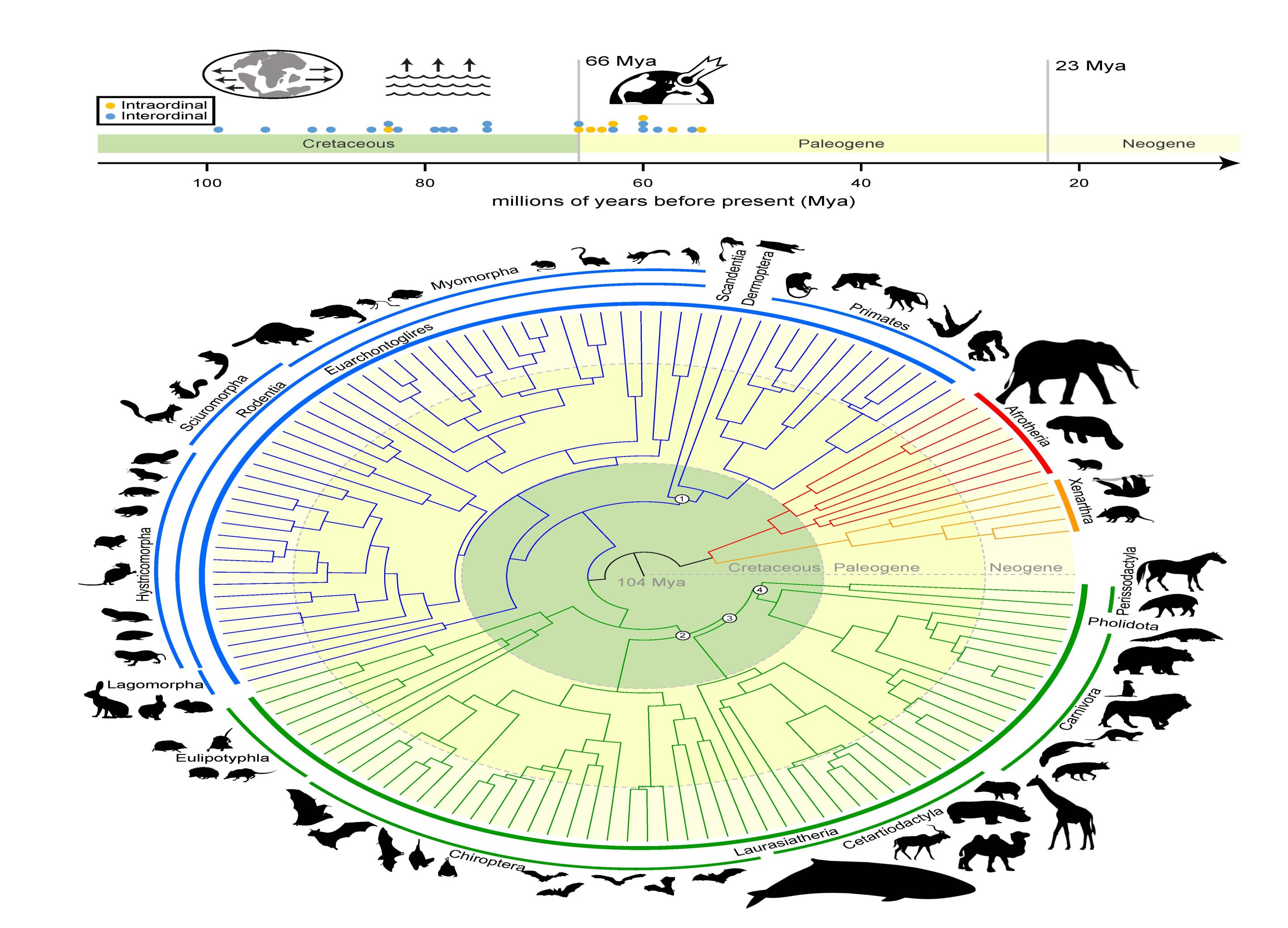
Researchers use genomes of 241 species to redefine mammalian tree of life
Research led by a team of scientists from the Texas A&M School of Veterinary Medicine and Biomedical Sciences puts to bed the heated scientific debate regarding the history of mammal diversification ...

The new Inoreader experience is here! 🎉
After months of hard work, testing, breaking, fixing, and rebuilding, the cat is finally out of the bag. The brand-new…

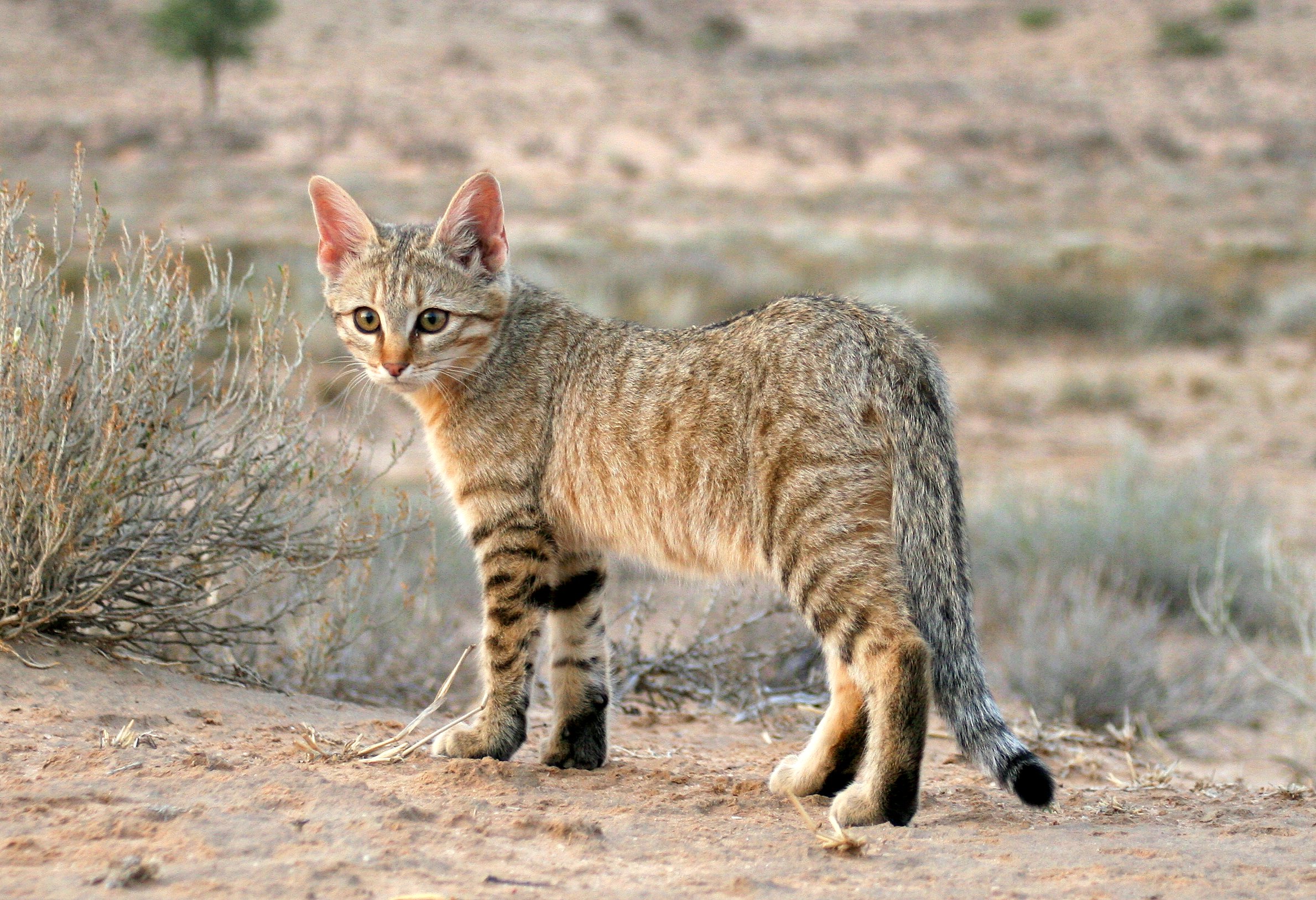
Tabby’s likely ancestor & Earth’s most widespread wildcat is an enigma
The Afro-Asiatic wildcat (Felis lybica) is the world’s most widely distributed wildcat, but experts and information on the species are scarce. The species’ range is immense, stretching across most of Africa, Southwest and Central Asia, India, China and Mongolia. But Arash Ghoddousi, lead author for F. lybica’s 2022 IUCN species conservation assessment, says the study […]
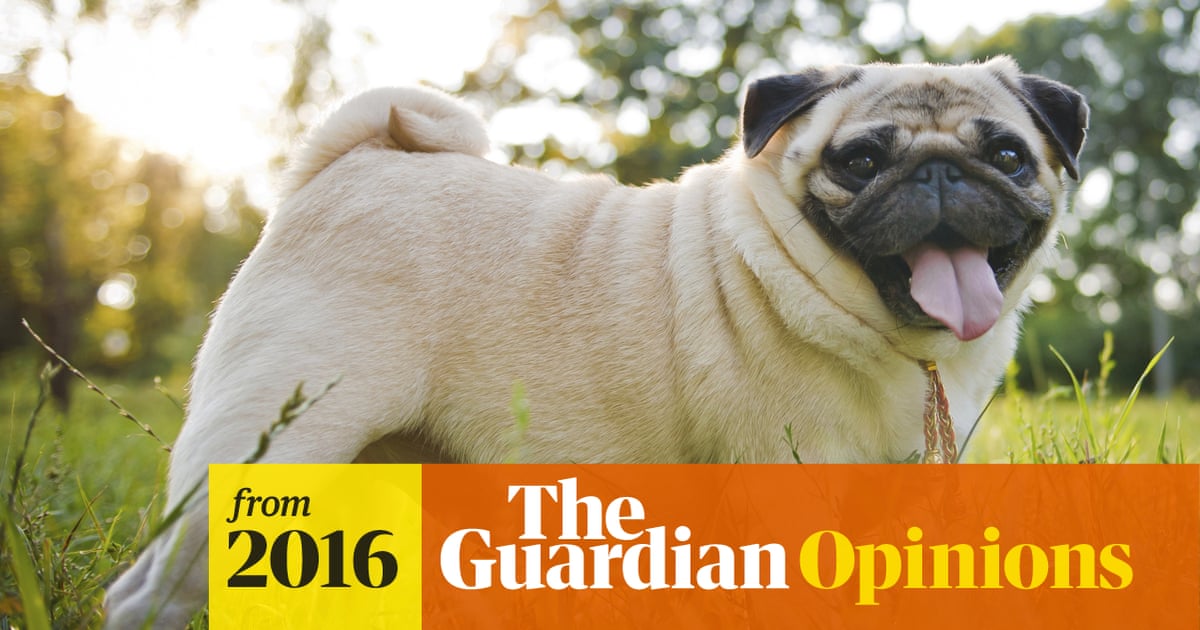
Pugs are anatomical disasters. Vets must speak out – even if it’s bad for business | Anonymous
Owners must be told some breeds are born to a lifetime of suffering, even if it means upsetting clients and putting livelihoods on the line
Animal personalities can trip up science, but there’s a solution
Individual behavior patterns may skew studies, but a new approach could help.
Scientists Can Now Genetically Modify Facial Features
This image is a CT scan of a mouse's face — but not just any mouse. Scientists at Berkeley have identified thousands of small DNA regions responsible for

Newly discovered “Pandoravirus" could redefine life as we know it
Scientists have discovered a pair of viruses that defy classification. Bigger and more genetically complex than any viral genus known to science, these

7 Things You Didn't Know About Red Pandas
Here’s one thing you already knew: red pandas are adorable. While they’re not domesticated and therefore are probably not suitable as pets, some people keep them as pets anyway – especially in Nepal and India – and upload their adorable hijinks to the internet for the world to see.

