


Common Sense Media's latest census reveals the shifting nature of kids' online experiences. Advice from Common Sense Media editors.
No Sense of Place: The Impact of Electronic Media on Social Behavior
Electronic media present us with a collage of experiences from everyplace. We eat dinner at home while watching starving children thousands of miles away reach out to us for food. From our easy chairs, we stare at blindfolded hostages, and coolly

The Kids Are (Mostly) Alright: New Pew Study Deflates The Social Media Panic
A couple weeks back, Jonathan Haidt published another entry in his ongoing campaign to convince the world that social media is inherently ruining kids’ lives. This one was a victory lap title…

Teen Life on Social Media in 2022: Connection, Creativity and Drama
Majorities of teens credit social media with strengthening their friendships and providing support while also noting the emotionally charged side of these platforms.
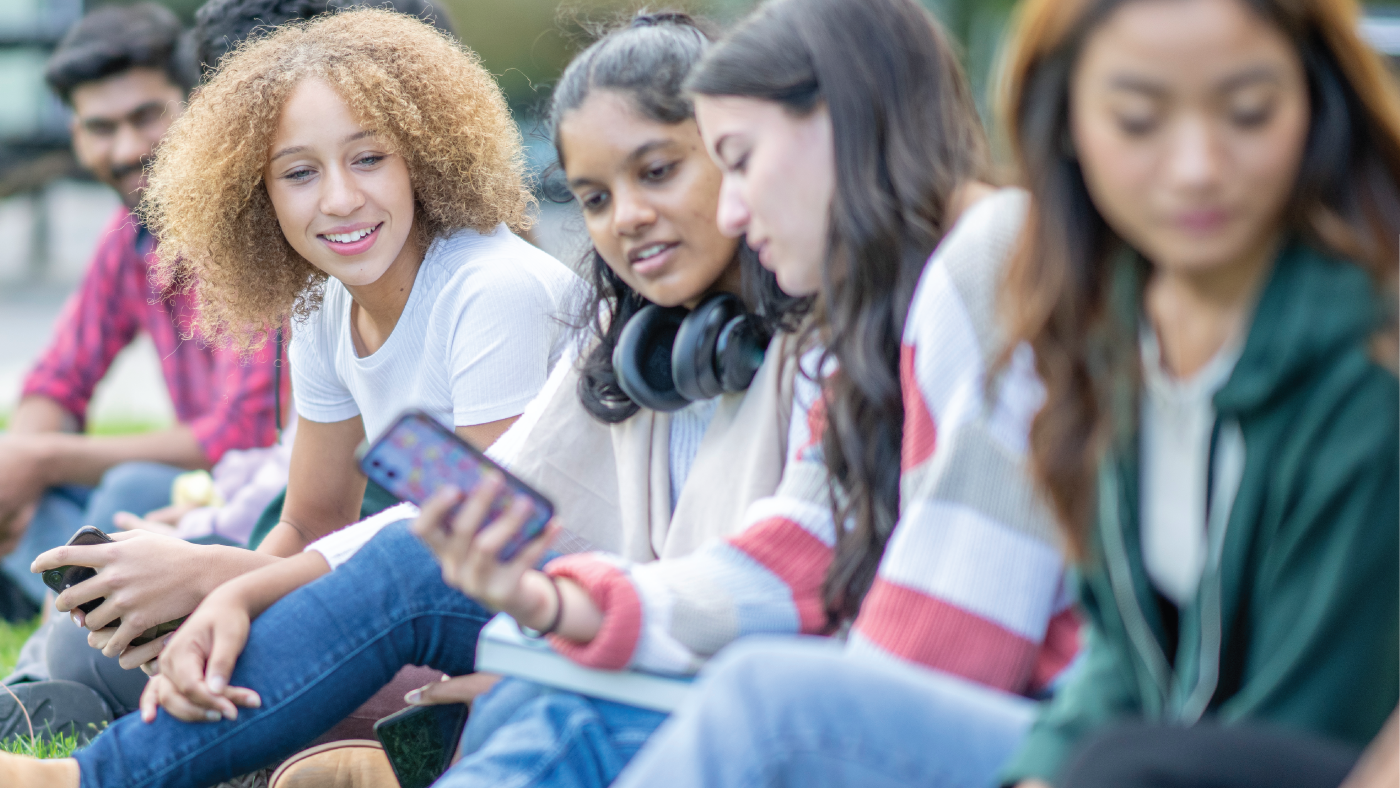
Yes, Smartphones Are Destroying a Generation, But Not of Kids - JSTOR Daily
Why parents need to embrace our role as digital mentors: offering kids and teens ongoing support and guidance in how to use the internet appropriately.

Why Protecting Kids from Social Media May Make Things Worse — Douglas Rushkoff
I’m supposed to give a talk next week about kids and social media and the need for more media literacy education, more regulation of platforms, and more substantive discussion about how to keep our kids from media-induced self-harm. The whole event is well-meaning, but is characterized by a sense of worry and protection. And for some reason, after years of making those sorts of arguments in my articles and documentaries, I have a strong impulse to pivot the other way.
Almost half of American teens are online 'almost constantly,' social media study finds
A new study has revealed that teenagers in America are spending the majority of their time online, browsing social media each day.

Shifts in U.S. Social Media Use, 2020–2024: Decline, Fragmentation, and Enduring Polarization
The social media ecosystem appears to be in flux. Twitter’s rebranding to X has come to symbolize a broader reorganization of online publics – political reshuffling, user attrition, and uncertainty over the role of legacy platforms. Simultaneously, the shift from text-based, networked feeds toward algorithmically curated, short-form video has accelerated, with TikTok setting the pace for the wider ecosystem [18, 14, 16]. At the same time, everyday communication increasingly migrates from large, open networks to semi-private spaces such as group chats and messaging apps. Commentators describe a digital public sphere in transition: smaller, more fragmented, less dominated by traditional social networking sites, and rise of more broadcast-oriented forms of media – with some even suggesting that we are seeing the beginning of the end of the social media era.
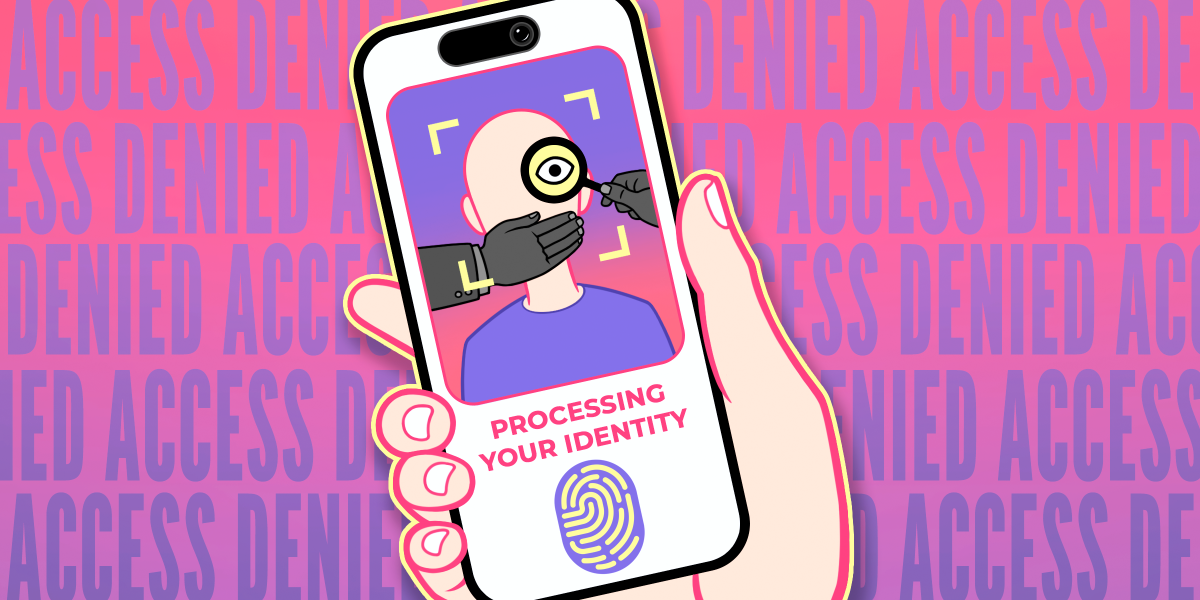
How the Meta Settlement Silences Youth Activism
Since its integration into our digital world, social media has played a pivotal role in youth organizing and social mobilization. Yet, people’s access to these platforms is increasingly coming under
Social media and youth mental health: Simple narratives produce biased interpretations.
Netflix’s recent hit show, Adolescence, hit a nerve for a good reason. The systems sculpting the digital lives of children need to change. Let's examine how we can ensure they do, and what Adolescence has to add to the conversation. 1/7
Netflix’s recent hit show, Adolescence, hit a nerve for a good reason.The systems sculpting the digital lives of children need to change.Let's examine how we can ensure they do, and what Adolescence has to add to the conversation.1/7— Proton Drive (@ProtonDrive) May 28, 2025
Teenagers & Smartphones: How They're Already Changing The World
The rapid embrace of smartphones by teenagers will likely have significant and lasting repercussions for the web, the browser, the PC - and all that these touch.
Shifts in U.S. Social Media Use, 2020-2024: Decline,...
Using nationally representative data from the 2020 and 2024 American National Election Studies (ANES), this paper traces how the U.S. social media landscape has shifted across platforms,...

Social Media Is Now Parasocial Media
When practitioners used the term “social media” to describe the internet tools that emerged in the mid-aughts, they were giving a name to the kinds of platforms and protocols that allowed people to socialize with friends and communities of interest by using digital technologies. Twenty years later, users of social media are far more likely to scroll than post – and the content that they consume is often strategically produced and algorithmically curated. In this essay, I argue that the very essence of social media has changed. To more effectively interrogate what we are witnessing, we need to stop presuming that these tools are “social media” and begin recognizing that they are now “parasocial media.” Doing so raises new questions about digitally mediated sociality, not to mention the politics and governance of these platforms.

Social Media Experiences Across Nearly 2 Years Since Launching the Social Media Index
With new data through January 2025, we find that social media use is decreasing, bad experiences are mostly holding steady, and positive experiences are increasing on some platforms
Young people's mental health is improving. Tech alarmists take note.
Depression and anxiety are declining, adding yet more complications to the anti-smartphone and anti–social media narratives.

sensemaking on social media

examples of useful sensemaking happening on social media
fray — Bluesky thread factions
samantha.wiki/fray
Mu for democracy - Erlend’s notes
social-protocols/jabble

Dan Singleton 🏳️🌈🏳️⚧️ on Twitter / X

No Sense of Place: The Impact of Electronic Media on Social Behavior