Digital Commons are not only about digital technology, but also about the economy, how it is organised and who it benefits. Digital Commons represent a democratic practice, with shared ownership, thus initiating a shift away from centralised (private or state) management of technology and towards democratisation of digital infrastructure. In this way Digital Commons help guard and reinforce such public values as democracy, self-determination and sovereignty. In the first explainer we put forward how this shift offers numerous opportunities for the Netherlands, or any country that takes Digital Commons seriously. Read the explainer
Digital commons
The digital commons refers to shared digital resources—such as software, knowledge, data, and cultural content—that are collectively produced and governed by a community and intended for public use.[1][2] These commons are distinguished by open access, participatory management, and licensing practices that preserve reuse and redistribution. Digital commons play a vital role in areas such as education, research, software development, and civic engagement.
Digital Commons: Our Shared Right to Knowledge and Culture
As the volume of cultural and scientific works produced and available on the internet continues to expand, the question of freedom to consult and use this immense ‘digital commons’ is becoming a critical one, particularly as cutting off access could entail serious consequences for education, cultural exchange, and even the health of European citizens.

Is Digital Campaigning Dead?
The Commons is an online library for the change makers of the world and for those interested in social change, activism, organising, advocacy and justice.
New to the Commons? | David Bollier
If you’re coming to the commons for the first time, it can be difficult to grok the idea because there are so many different ways to understand the commons. That’s because the commons is not so much a fixed, universal thing as a general concept describing durable, dynamic sets of social relationships for managing resources -- all sorts of resources: digital, urban, natural, indigenous, rural, cultural, scientific, to use some crude categories.
Think Like a Commoner | A Short Introduction to the Life of the Commons
In our age of predatory markets and make-believe democracy, our troubled political institutions have lost sight of real people and practical realities. But if you look to the edges, ordinary people are reinventing governance and provisioning on their own terms. The commons is arising as a serious, practical alternative to the corrupt Market/State.
Democratic digital infrastructure for civil society · Theta
How civil society and Danish foundations can support digital democracy
Commons
The commons are the cultural and natural resources accessible to all members of a society, including natural materials such as air, water, and a habitable Earth. These resources are held in common even when owned privately or publicly. Commons can also be understood as natural resources that groups of people manage for individual and collective benefit. Characteristically, this involves a variety of informal norms and values employed for a governance mechanism. Commons can also be defined as a social practice of governing a resource not by state or market but by a community of users that self-governs the resource through institutions that it creates.

Elinor Ostrom’s 8 rules for managing the commons
The commons are those things that we all own together, that are neither privately owned, nor managed by the government on our behalf. Some are large scale and somewhat abstract, such as the English…

Reclaiming the Computing Commons
Hunter writes: The commodification and exploitation of nature; the enclosure of the intellectual and informational commons in medicine, agriculture, and other areas of technical knowledge; the expropriation of public space to secure profit-all define an economic system supposedly premised on freedom.
Elections and Activism: Case Studies
The Commons is an online library for the change makers of the world and for those interested in social change, activism, organising, advocacy and justice.

10 Tips from GetUp's Decade of Campaigning
The Commons is an online library for the change makers of the world and for those interested in social change, activism, organising, advocacy and justice.
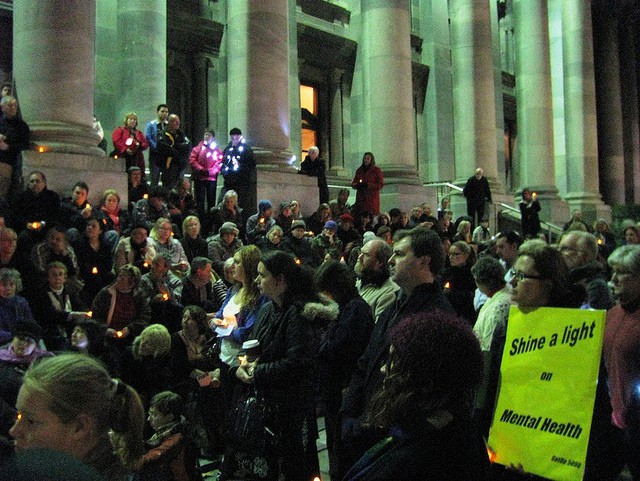
mai ishikawa sutton
My work lies at the intersection of technology and the solidarity economy. I’m passionate about strengthening the digital commons, in which people control and steward communication technologies as collective goods.
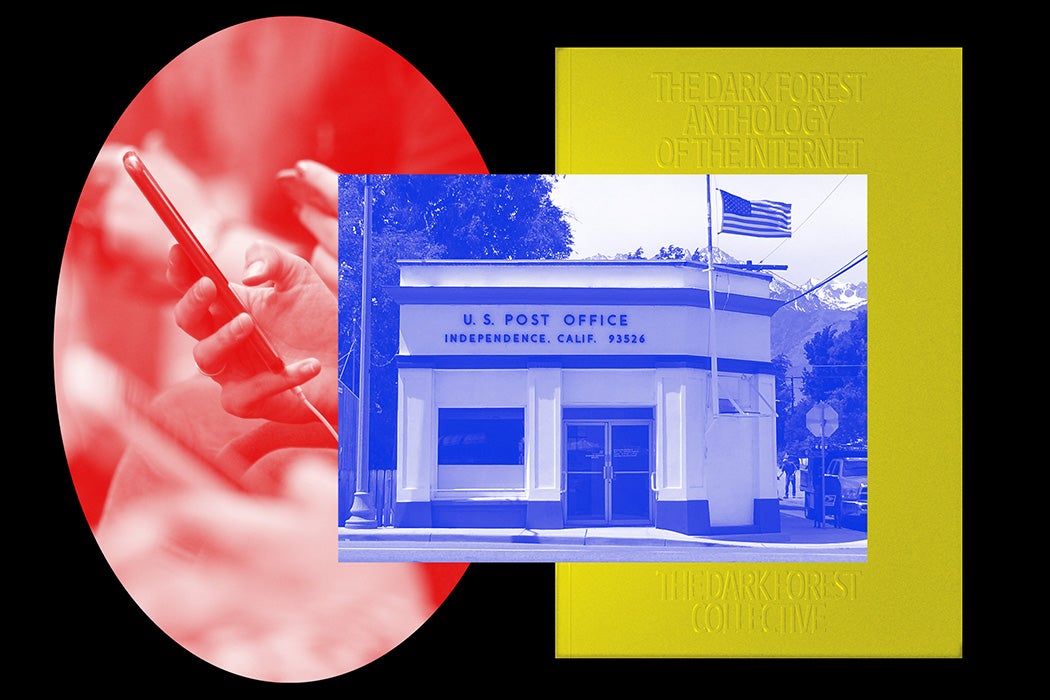
The Case for a Public Social Media Platform - JSTOR Daily
Artist and writer Joshua Citarella explores why corporate platforms corrode democracy—and what a postal-service-style digital commons could do differently.
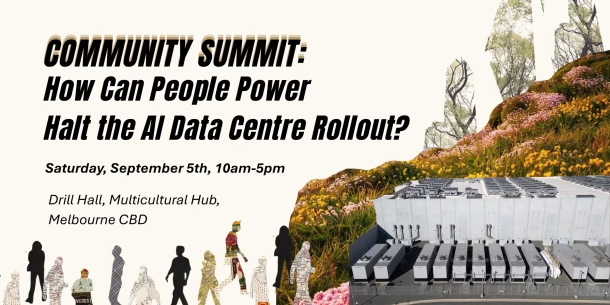
How to Stop a Data Centre in Australia
The Commons is an online library for the change makers of the world and for those interested in social change, activism, organising, advocacy and justice.
Together for Treaty
The Commons is an online library for the change makers of the world and for those interested in social change, activism, organising, advocacy and justice.