

triumph of the nerds
Computer Plant Life
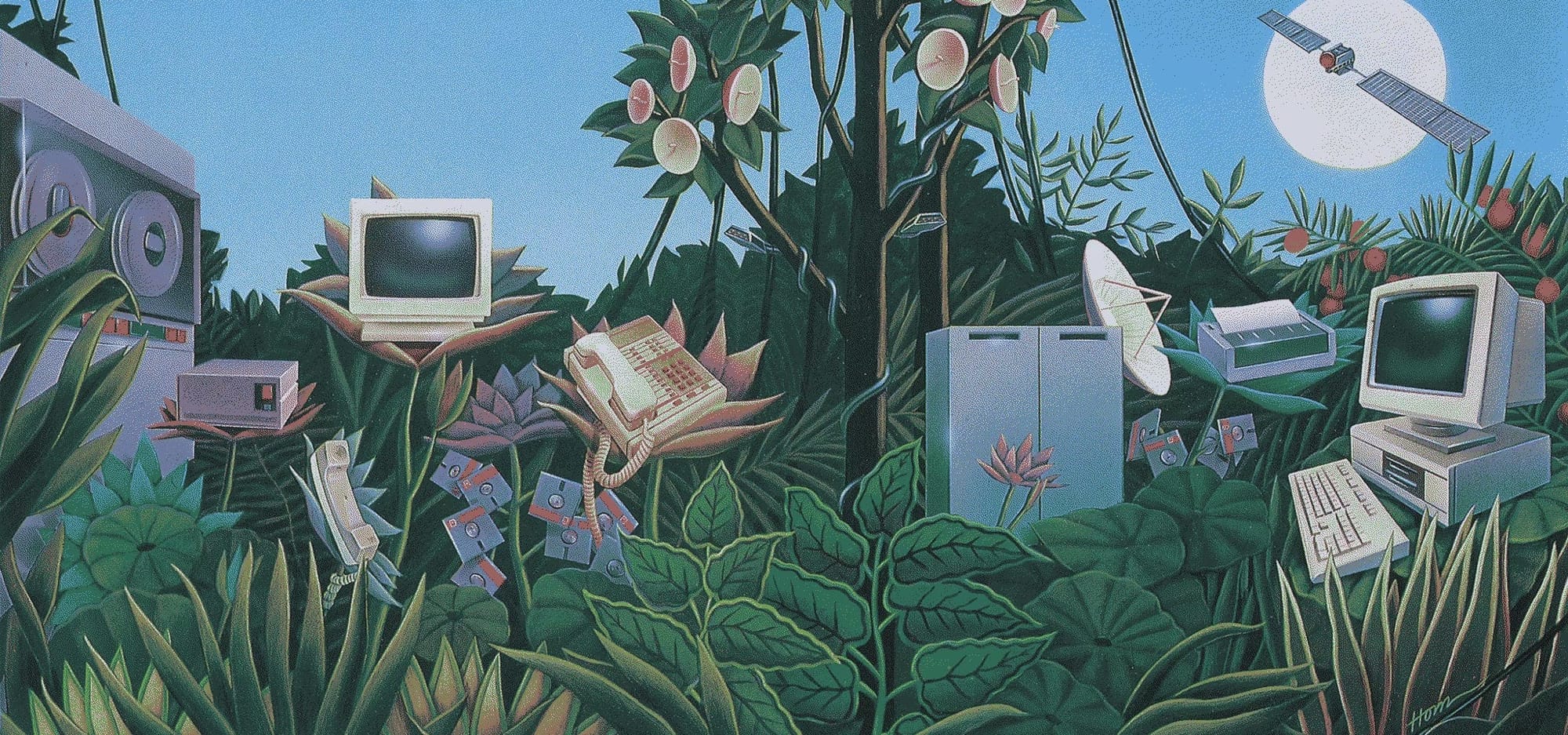
"Thе Commodore РЕТ offers you а safe passage through the primeval swamр of computerization," says the ad copy accompanying this uncredited illustration in a June 1981 issue of Personal Computer World: That image and ad copy offers a perfect example of how most retro tech illustration works: Visualize the hell
The hidden ‘rules of the game’ that dictate how we navigate the world | Psyche Videos
How free are we really, if human behaviour embodies the complex, intertwined webs of society and history?

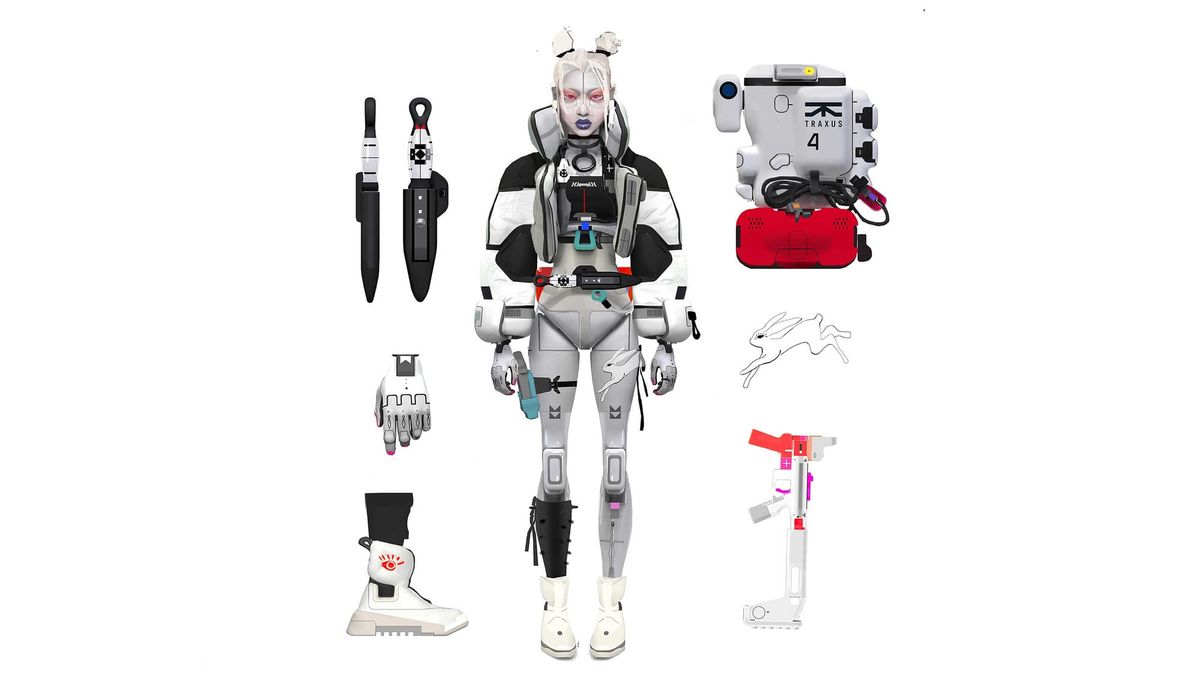
The Art Of Marathon
A look at some of the work that went into one of the coolest-looking video games in recent memory
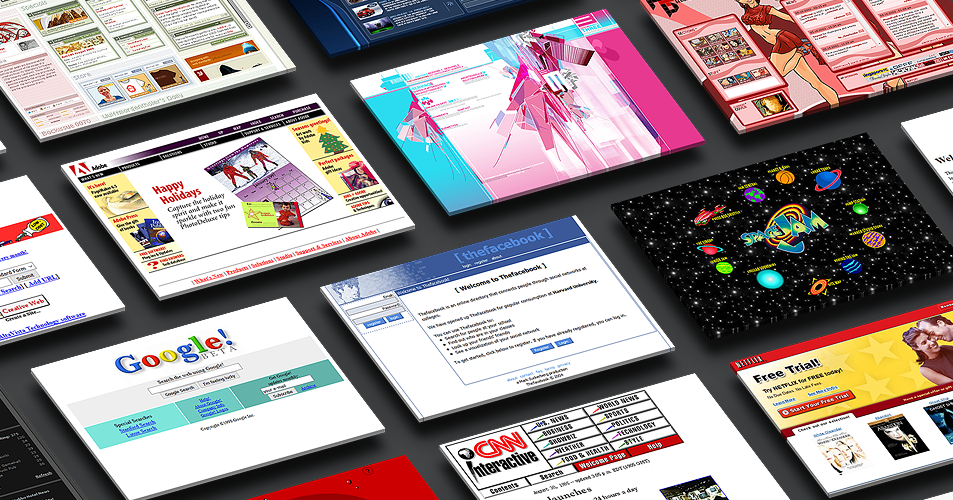
30 Years of Google Search Website Design History - 41 Images - Version Museum
A comprehensive visual history of Google.com from 1996 to 2026. See a gallery of the Google.com evolution from the beginning to present day.

Web Design Museum – Discover old websites, apps, software & Flash Games
Web Design Museum exhibits thousands of screenshots and videos of websites, apps, software, and Flash games from the 1990s to the late 2000s.
VC&G | » My memories of what life was like before the Internet
Adventures in vintage computers and retrogaming. Includes articles on classic games and obsolete computers.

Jeux | Every Game a Museum
Import AI 463: Self-improving robots; a 10k Chinese GPU cluster; and an elegiac essay for the human era
What eras bookend our interregnum?

» How Jordan Mechner Made a Different Sort of Interactive Movie (or, The Virtues of Restraint) The Digital Antiquarian
One can learn much about the state of computer gaming in any given period by looking to the metaphors its practitioners are embracing. In the early 1980s, when interfaces were entirely textual and graphics crude or nonexistent, text adventures like those of Infocom were heralded as the vanguard of a new interactive literature destined to augment or entirely supersede non-interactive books. That idea peaked with the mid-decade bookware boom, when just about every entertainment-software publisher (and a few traditional book publishers) were rushing to sign established authors and books to interactive projects. It then proceeded to collapse just as quickly under the weight of its own self-importance when the games proved less compelling and the public less interested than anticipated.
f0lkl0r3.dev — Computer History Museum Oral Histories
The people who built the future, in their own words. Oral history interviews from the Computer History Museum, enriched with AI-generated context, visuals, and connections.
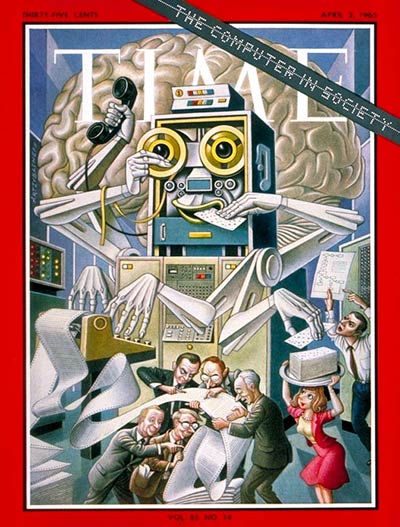
TIME Magazine Cover: Computer in Society - Apr. 2, 1965
TIME Magazine Cover: Computer in Society
Games

Patrick's Parabox

Hollow Knight: Silksong

Hollow Knight

Mama's Sleeping Angels

Spelunky 2
Mosa Lina