


For most of the 20th century, AT&T was almost entirely responsible for building and operating America’s telephone infrastructure.
What technology takes from us – and how to take it back | Rebecca Solnit
The long read: Decisions outsourced, chatbots for friends, the natural world an afterthought: Silicon Valley is giving us life void of connection. There is a way out – but it’s going to take collective effort

Diving Bell Dev
We're in the business of building robust, high-quality software systems. If you like the sound of that, drop us a line.
You and Your Research
Transcription of the Bell Communications Research Colloquium Seminar 7 March 1986
Operation Voder: AT&T, Bell Labs, and the Labor of Techno-Utopia at the 1939 New York World’s Fair
This article explores the labor demands of the Voder, the electrical speech synthesis machine developed by Bell Labs for AT&T’s 1939 New York World’s Fair exhibit. The article situates the Voder within the historical context of the fair, with the United States emerging from the Great Depression and political tensions escalating across the globe. By examining the decision to incorporate the machine’s young female operators into the exhibit, the article argues that AT&T executives used Voder operators to normalize a new vision of technological utopia that relied heavily and conspicuously on the infrastructural labor of women. Moreover, the article highlights the previously unacknowledged engineering contributions of Voder operators in the years before the fair, writing women into the origin story of a machine that laid critical groundwork for speech recognition and voice encryption technology.
ChatGPT is winning the future — but what future is that?
The biggest thing in tech since the iPhone was basically an accident.

Fairphone
Nearly three years ago, we started a crowdfunding campaign to finance the creation of our first-ever phone. We had a

Labs And Incubators Fuel Enterprise Innovation | TechCrunch
Change doesn't come easily to large organizations. Over time they have established a firm set of core business processes to give them the structure to

Plan 9 from Bell Labs
Plan 9 from Bell Labs, an open-source distributed system from the creators of Unix.

Drug Agents Use Vast Phone Trove, Eclipsing N.S.A.’s (Published 2013)
The scale and longevity of a data storage program run by the government in partnership with AT&T was unmatched by other government programs, including the National Security Agency’s gathering of phone call logs.

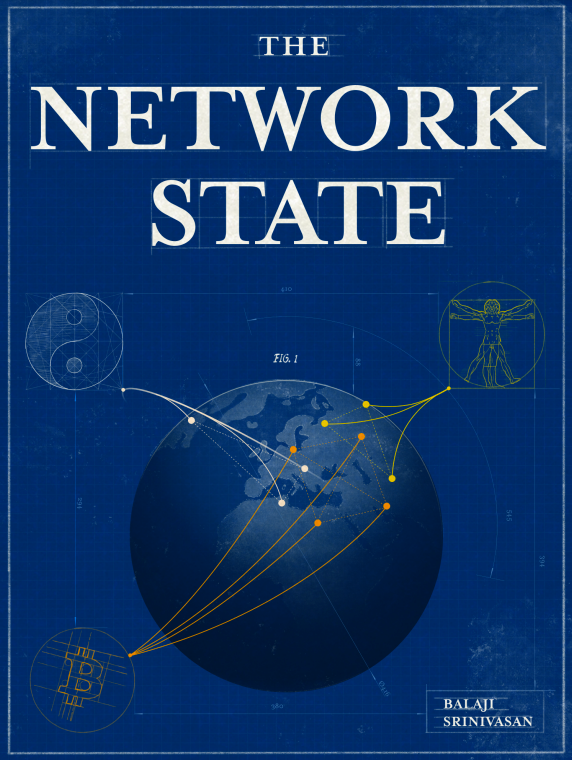
The Network State: How To Start a New Country
Technology has enabled us to start new companies, new c…
Messaging is just getting started - The Intercom Blog
We are only starting to see the disruptive impact of messaging apps. What will happen when they can deliver all sorts of new real-time functionality?

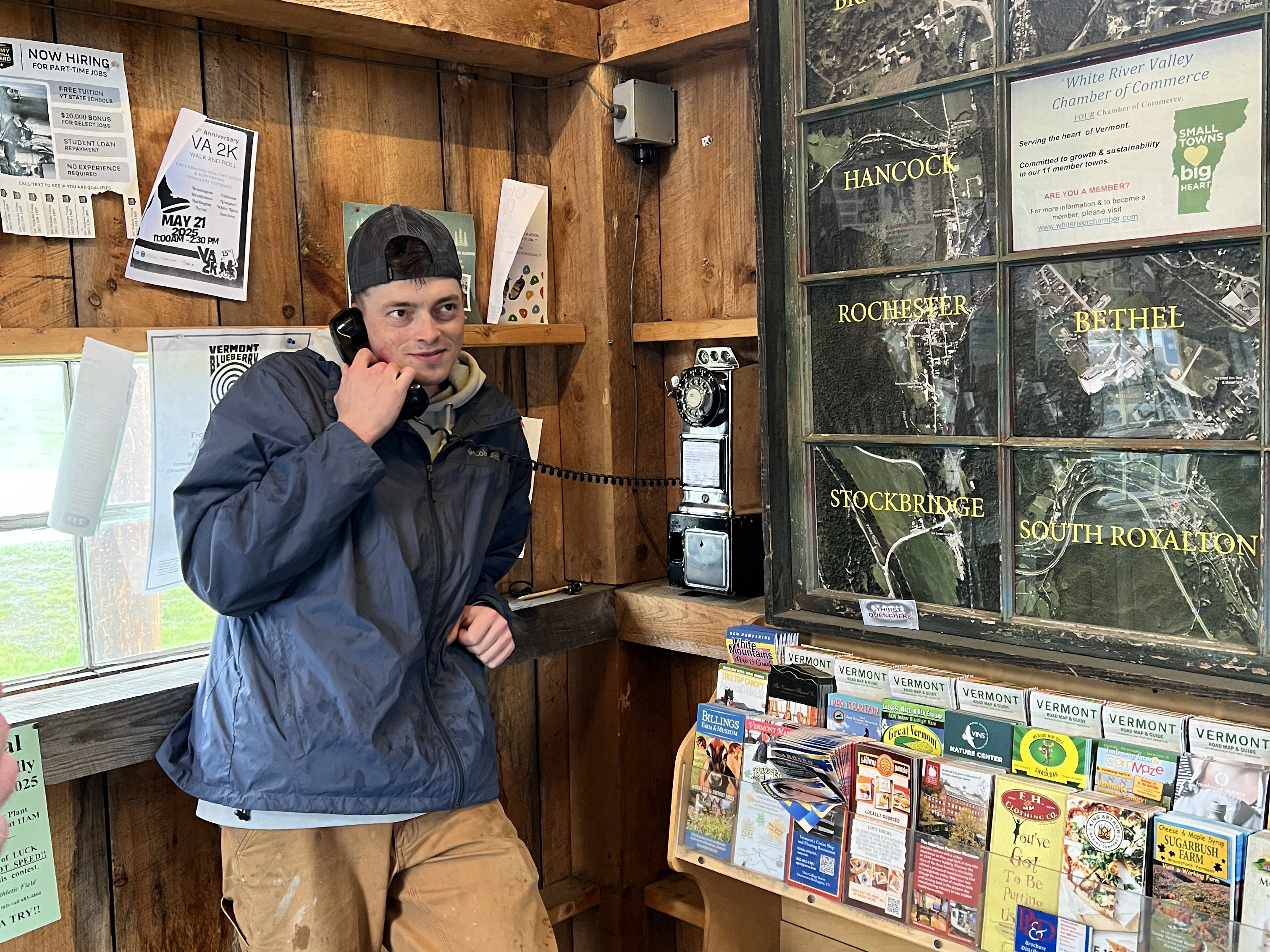
An engineer restores pay phones for free public use
In a rural Vermont county, spotty cellphone coverage is the norm. But a local tinkerer is using old technology to help his community stay connected free of charge.
Inside Shenzhen’s race to outdo Silicon Valley
Shenzhen flooded the world with cheap gadgets. Can it now become what Silicon Valley never did—a global hub of innovation, entrepreneurship, and manufacturing?
