

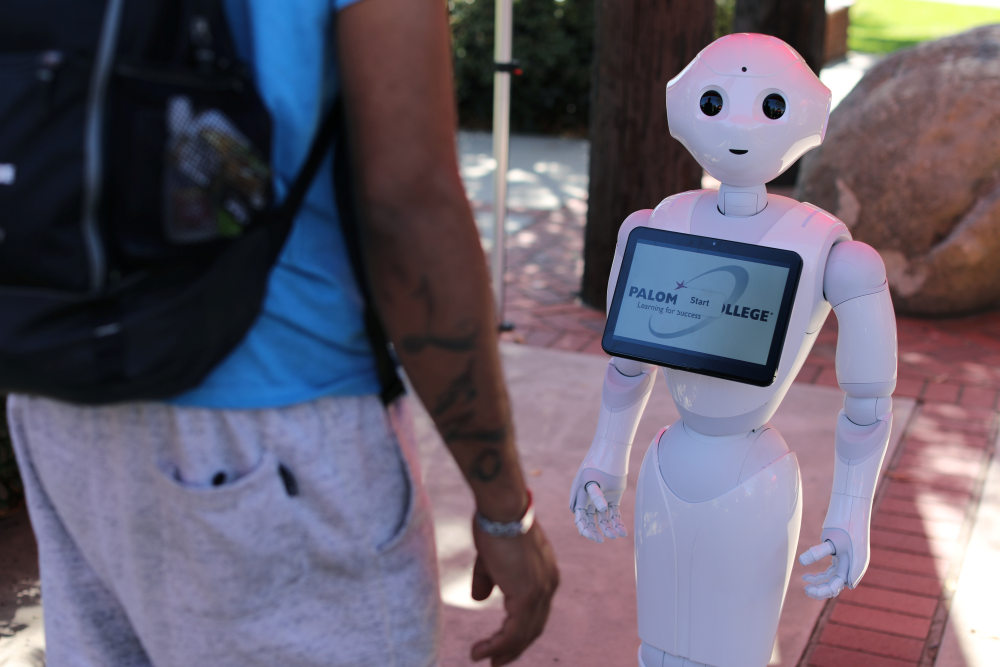
The blueprint represents a shift from a model of self-policing towards a rights-based approach to protect from algorithmic harms
The Pillars of a Rights-Based Approach to AI Development
By centering peoples' rights we can shape AI to maximally benefit humanity while minimizing harms, says Margaret Mitchell.

Learn More - The Algorithmic Justice League
"We aim to empower communities and galvanize decision makers to take action that mitigates AI bias and harms."

Artificial Intelligence - AI Ethics - AIethicist.org Bookshop
The books recommended here (and in www.AIethicist.org) cover topics of AI ethics, big data & social impact, biased algorithms, privacy, lack of regulation or ethics around automated decision making.There are also books that provide background on what cause these areas (and hence the data) to be historically unequal and what are the root causes of social and structural injustices in these areas - like policing, mass incarceration, welfare, housing, financial markets, communication, just to name a few.

Unlawful by design: Exposing the human rights costs of generative AI - Amnesty International
This briefing examines how standalone generative AI systems, based on unlawful web scraping, are in conflict with international human rights law (IHRL) and standards through their design, development and deployment. While these technologies promise sophisticated automation and efficiency, they rely on data collection and model training practices that abuse privacy rights, enable discrimination, and threaten […]
AI, Ethics, and Society — Home
How AI is exacerbating technology-facilitated violence against women and girls
This paper examines how artificial intelligence is accelerating technology-facilitated violence against women and girls—from deepfakes and automated hate to sextortion, impersonation, and large-scale disinformation. It outlines emerging risks, legal and ethical challenges, and opportunities for prevention, while calling for urgent regulation, safety-by-design, and coordinated global action to ensure that AI technologies advance, rather than undermine, women’s rights and safety.

Automated Justice: Issues, Benefits and Risks in the Use of Artificial Intelligence and Its Algorithms in Access to Justice and Law Enforcement
The use of artificial intelligenceArtificial Intelligence (AI) (AI) in the field of law has generated many hopes. Some have seen it as a way of relieving courts’ congestion, facilitating investigations, and making sentences for certain offences more consistent—and therefore fairer. But while it is true that the work of investigators and judges can be facilitated by these tools, particularly in terms of finding evidenceEvidence during the investigative process, or preparing legal summaries, the panorama of current uses is far from rosy, as it often clashes with the reality of field usage and raises serious questions regarding human rightsHuman rights. This chapter will use the RobodebtRobodebt Case to explore some of the problems with introducing automationAutomation into legal systems with little human oversight. AI—especially if it is poorly designed—has biases in its data and learning pathways which need to be corrected. The infrastructures that carry these tools may fail, introducing novel bias. All these elements are poorly understood by the legal world and can lead to misuse. In this context, there is a need to identify both the users of AIArtificial Intelligence (AI) in the area of law and the uses made of it, as well as a need for transparencyTransparency, the rules and contours of which have yet to be established.
Inescapable AI — TechTonic Justice
The use of artificial intelligence, or AI, by governments, landlords, employers, and other powerful private interests restricts the opportunities of low-income people in every basic aspect of life: at home, at work, in school, at government offices, and within families. AI technologies derive from a lineage of automation and algorithms that have been in use for decades with established patterns of harm to low-income communities. As such, now is a critical moment to take stock and correct course before AI of any level of technical sophistication becomes entrenched as a legitimate way to make key decisions about the people society marginalizes.

Where AI Regulation Stands Today
The White House has released a National Artificial Intelligence Legislative Framework and new executive orders aiming to establish a single, nationwide standard for AI regulation...

We All Hate AI, but if You’re Poor, It Can Really Ruin Your Life
Debt collection. Parole decisions. Oversight of public services. It’s all being outsourced to AI, with terrible consequences for poor people.
How Shifting Responsibility for AI Harms Undermines Democratic Accountability | TechPolicy.Press
The moralization of individual AI use deflects responsibility away from powerful actors like corporations and governments, Suvradip Maitra and others write.

Predictive policing AI is on the rise − making it accountable to the public could curb its harmful effects
AI that anticipates where crimes are likely to occur and who might commit them has a troubling track record. Democratic accountability could shine a light on the technology and how it’s used.
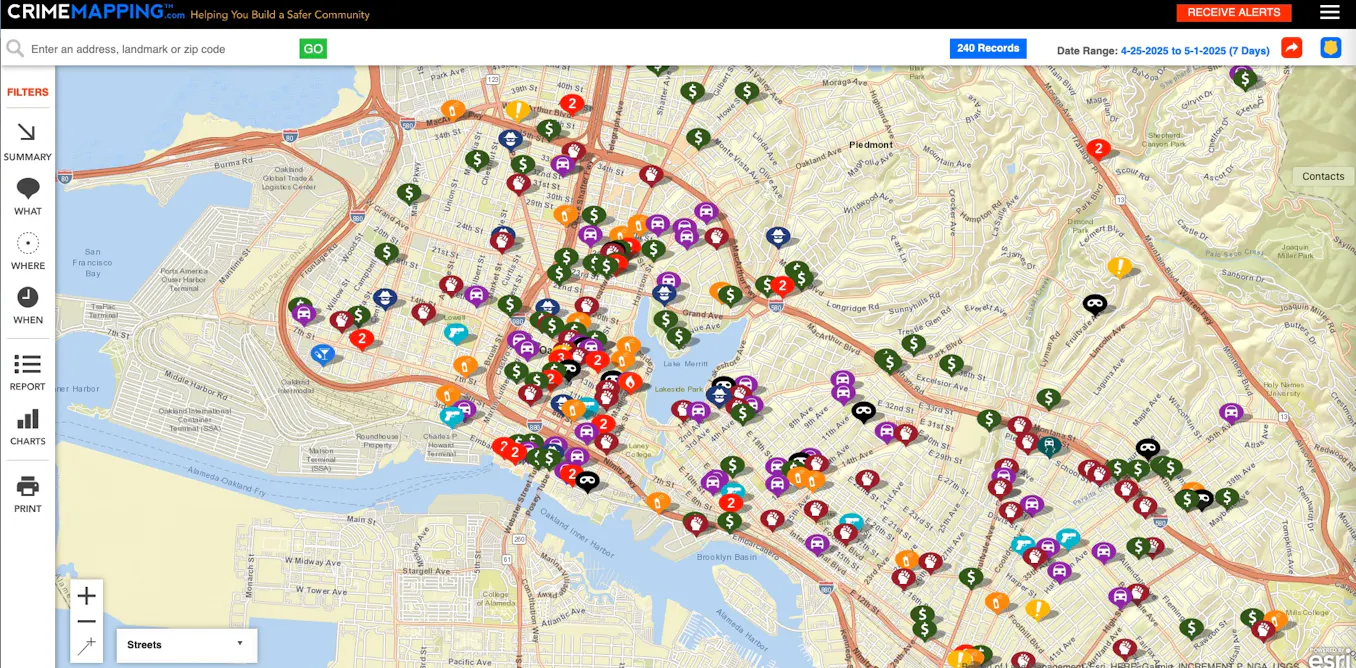
Predictive policing AI is on the rise − making it accountable to the public could curb its harmful effects
AI that anticipates where crimes are likely to occur and who might commit them has a troubling track record. Democratic accountability could shine a light on the technology and how it’s used.
As promised, we’ve created a policy document outlining our thoughts on AI and agentic coding (AI for software development). We’re releasing a vote later this week for Blacksky community members to offer their feedback. We look forward to hearing from you all.

Blacksky Algorithms' Policy Towards Agentic Coding
blackskyweb.xyzAI* and the law/legal filings

Re: fake citations and the like, not laws regulating AI * I’m neither “pro-AI” nor “anti-AI.” I’ve been blocked for being perceived as both. —Actually, I’m honestly more anti-AI than pro-AI thus far, aside from specialized models and specific use cases, but I’m willing to consider information that’s new to me

Mike Lindell lost defamation case, and his lawyers were fined for AI hallucinations

Judge slams lawyers for ‘bogus AI-generated research’

AI for Law Firms: What the 8am Legal Industry Report Tells Us About AI Use

Why do lawyers keep using ChatGPT?
www.reuters.com

Lawyer fined $5K over AI-hallucinated witnesses in a murder case
