


Three days in Montreal for the people rethinking how science is created, shared, funded, published, measured, and used. June 16–18, 2027.
ATScience 2026
A full-day exploration of AT Protocol for science, education, and open knowledge. A side event to AtmosphereConf 2026 @ Vancouver, March 27, 2026

Banff 2025, Open Science Meeting — Continuous Science Foundation
We’ve got to a big idea—and now it’s time to get practical. CSF is looking for curious, committed individuals to help us tackle some of the toughest (and most exciting) questions around how to make Composable Science real.
Shareouts from ATScience 2026 in Vancouver - ATScience Notes
Since when do science conferences have such wild energy?
Jason Hickel on Twitter / X
The climate crisis reveals that our civilization has never really been organized around science, contrary to the usual Enlightenment narrative. It is organized around capital. Science is embraced when it serves the interests of capital, and is often ignored when it does not.— Jason Hickel (@jasonhickel) January 6, 2022
Where Should Science Go Next
Where Should Science Go Next? Prashant Garg, April 2026 Every researcher has to choose what to work on next. Science has formal procedures for judging answers, but no comparable procedure for comparing questions. Einstein said in 1918 at Max Planck's sixtieth birthday: "There is no logical path t...

Speculations on the Future of the Scientific Method
The following essay was published 20 years ago (January, 2006) on my blog The Technium. I edited the intro here, but the speculations are basically unchanged.
Science has been in a “replication crisis” for a decade. Have we learned anything?
Bad papers are still published. But some other things might be getting better.

Local-First Conf 2025
Join us for the world's first local-first conference. Connect with a rapidly-growing community in an intimate setting. Berlin, May 26-28 2025.
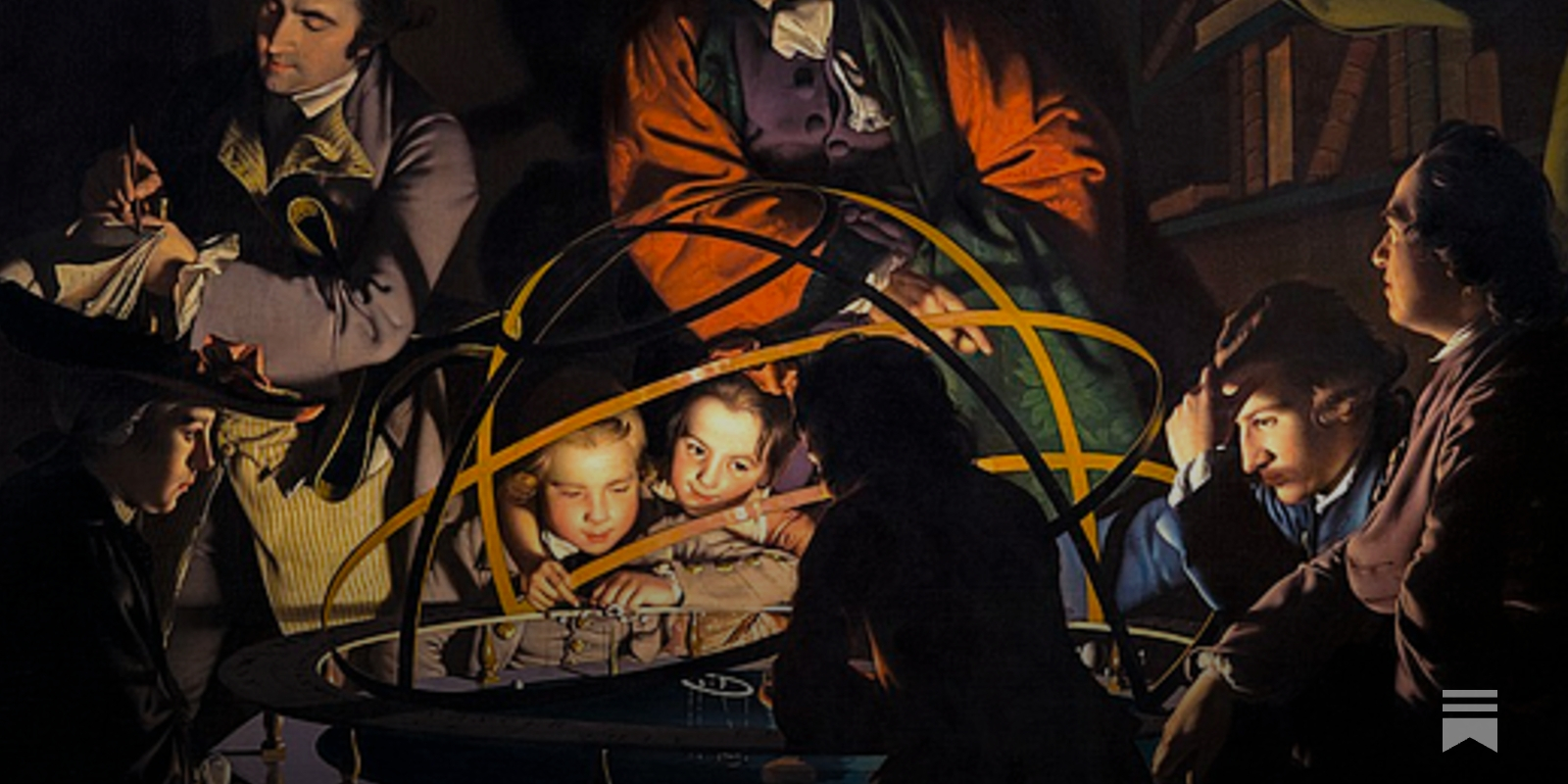
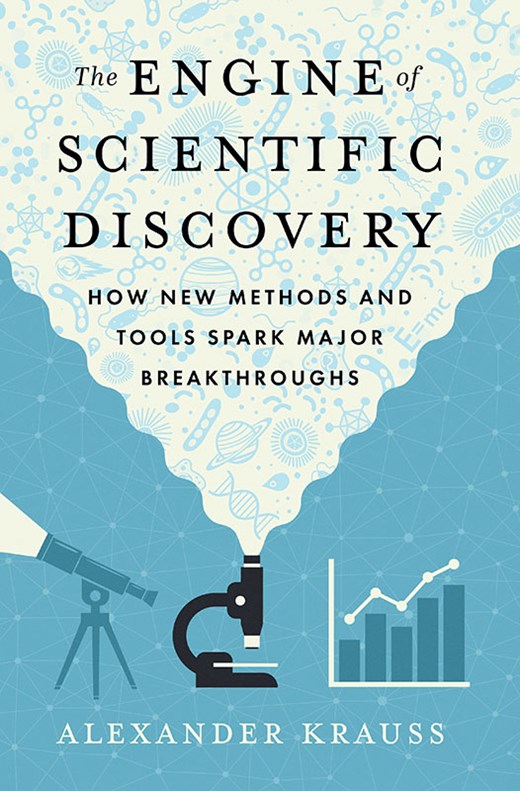
The Engine of Scientific Discovery: How New Methods and Tools Spark Major Breakthroughs
Abstract. How do we spark new scientific discoveries? Why do some breakthroughs seem even accidental? And most importantly, how can we accelerate them and
The Atmosphere as research infrastructure
Guest post: If you’re going to critique science, be scientific about it
Loren K. Mell Editor’s note: This post responds to a Feb. 13 article in The Atlantic, “The Scientific Literature Can’t Save Us Now,” written by Retraction Watch cofounders Adam Marcus and Ivan Oran…
Rebuilding the Architecture of Science
Science built the modern world. It’s time to rebuild the world of science.
The Current Crisis: What's Happening to Science in America
“Open, Collaborative and Participative Science: Rethinking the Legitimacy of Knowledge, the Policies and the Future of Science.” - looks like an interesting track during the Eu-SPRI Forum Annual Conference 2026 (10–12 June 2026, Valencia) euspri2026.webs.upv.es
