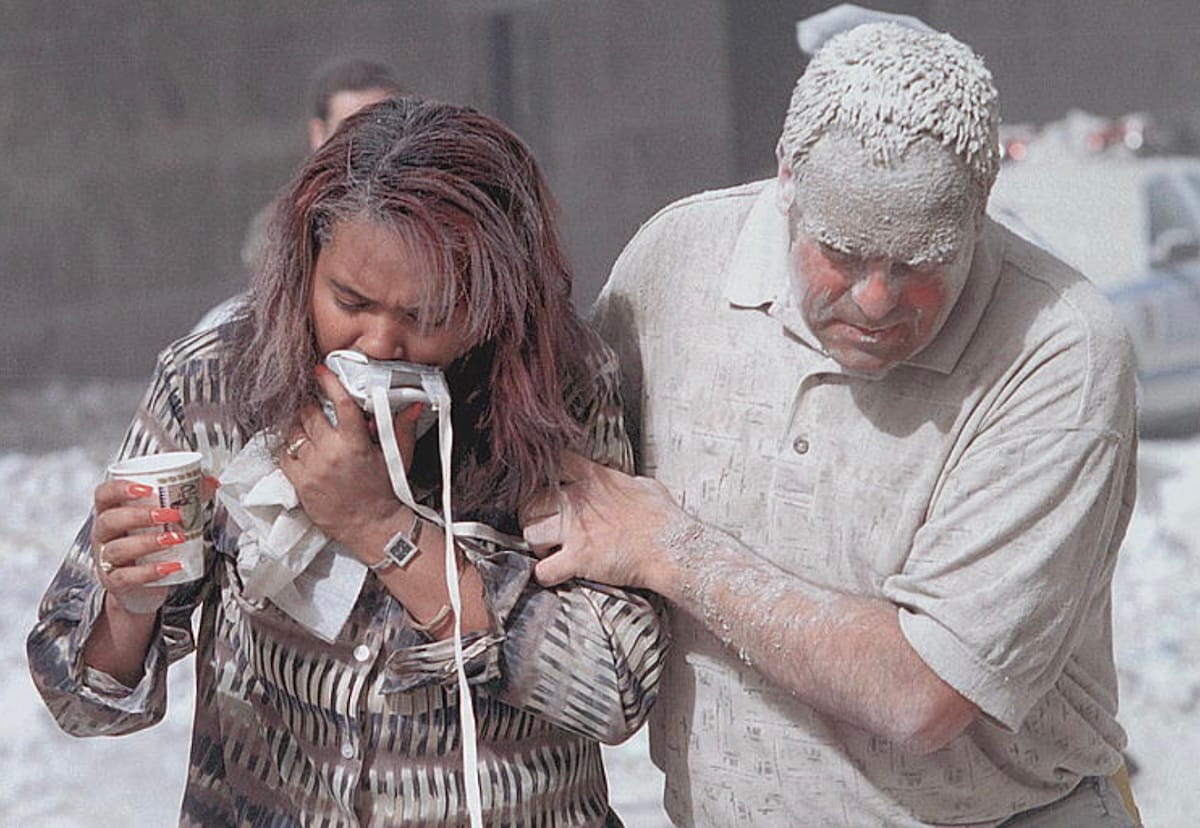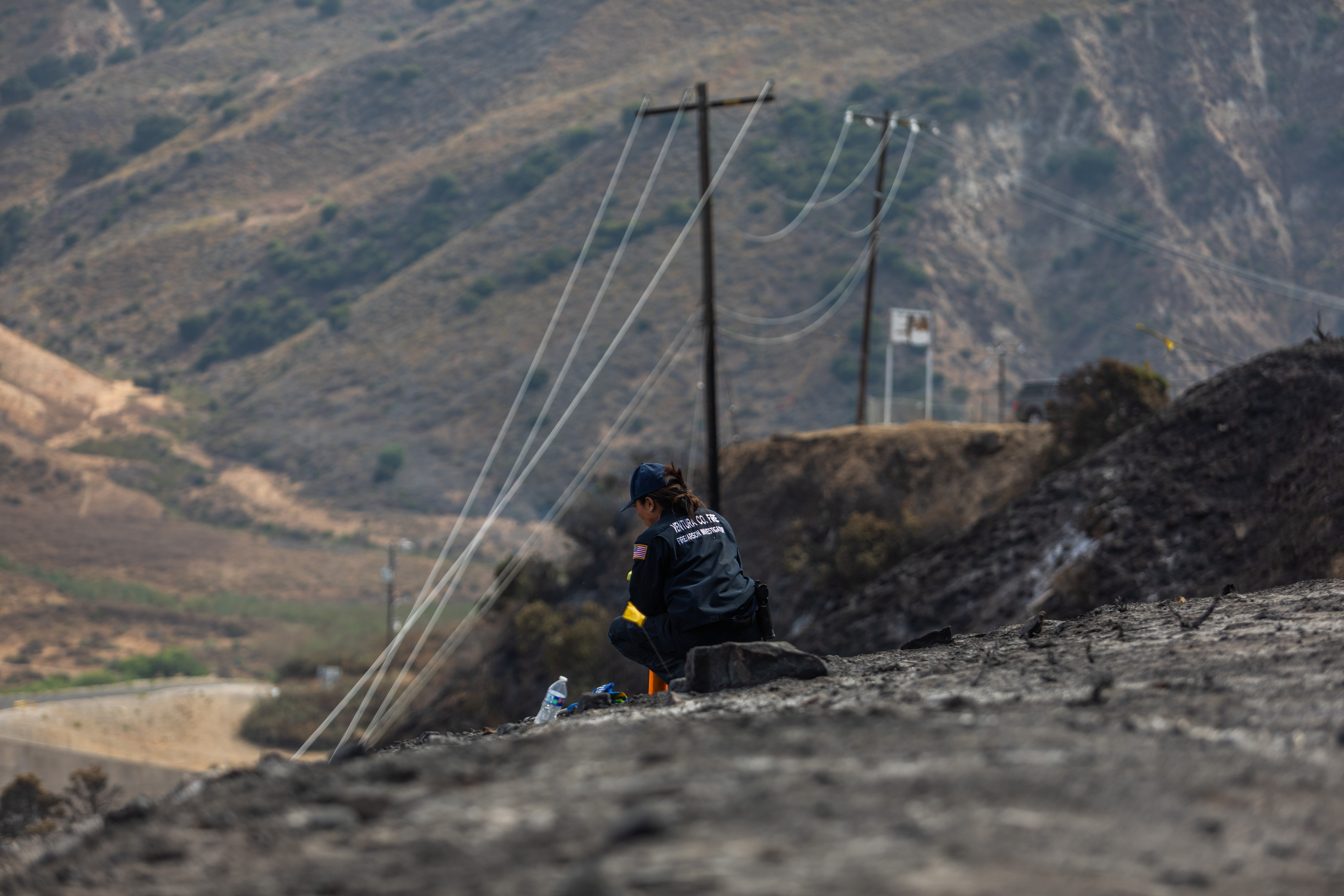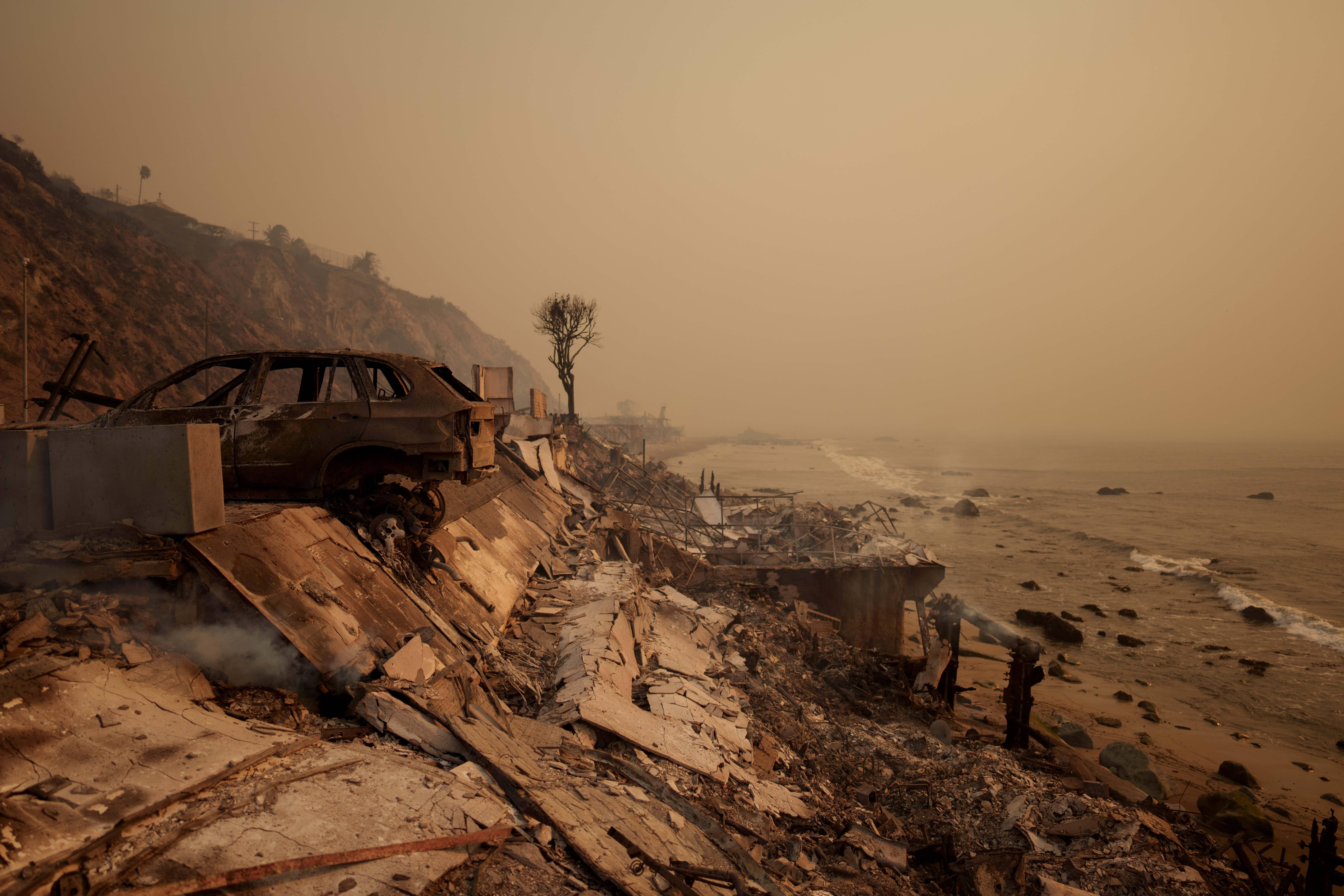


The aftermath of Hurricane Katrina laid bare the tragedy of American cities. What the storm revealed about the social conditions in New Orleans shocked many Americans. Even more shocking is how widespread these conditions are throughout much of urban...
The Death and Life of Great American Cities
The Death and Life of Great American Cities is a 1961 book by writer and activist Jane Jacobs. The book is a critique of 1950s urban planning policy, which it holds responsible for the decline of many city neighborhoods in the United States. The book is Jacobs' best-known and most influential work.
A City for Children — Oakland Public Library
A City for Children — Gutman, Marta, — American cities are constantly being built and rebuilt, resulting in ever-changing skylines and neighborhoods. While the dynamic urban landscapes of New York, Boston, and Chicago have been widely studied, there is much to be gleaned from West Coast cities, especially in California, where the migration boom at the end of the nineteenth century permanently changed the urban fabric of these newly diverse, plural metropolises. In A City for Children Marta Gutman focuses on the use and reuse of everyday buildings in Oakland, California, to make the city a better place for children. She introduces us to the women who were determined to mitigate the burdens placed on working-class families by an indifferent industrial capitalist economy. Often without the financial means to build from scratch, women did not tend to conceive of urban land as a blank slate to be wiped clean for development. Gutman shows how, over and over, women instead turned private houses and even a saloon in Oakland into orphanages, kindergartens, settlement houses, and day care centers, and in the process built the charitable landscape--a network of places that was critical for the betterment of children, families, and public life. The industrial landscape of Oakland, riddled with the effects of social inequality and racial prejudice, is not a neutral backdrop in Gutman's story but an active player. Spanning one hundred years of history, A City for Children provides a compelling model for building urban institutions, and it demonstrates that children, women, charity, and reform, along with incremental construction, renovations, alterations, additions, and repurposed structures, are central to the understanding of modern cities.
NYC: can this city-state be completely self-reliant? | Aeon Essays
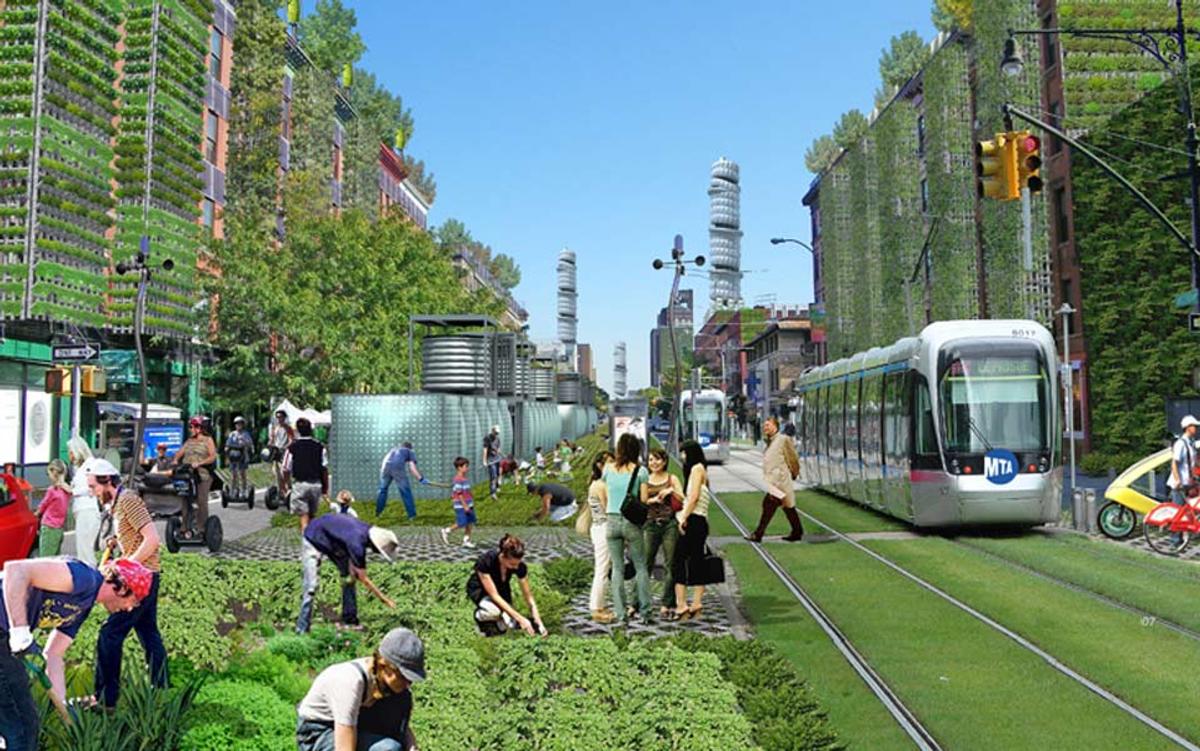
Green living in NYC need not be simple living – think skyscraper farms, meat-production towers and revamped aqueducts
Opinion | One City Might Have Just Cracked the Housing Crisis
A large real estate development in the middle of Vancouver, British Columbia, shows how cities can build more housing.

Flânerie without Politics: The Middle-Class Fetishization of the City
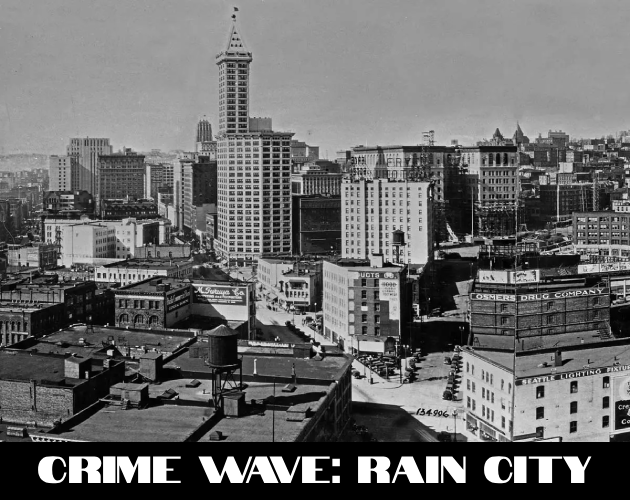
The middle-class spectacle of urban decay.

Urban problems: nature-based solutions and a Green New Deal everywhere
Nature-based Solutions with localised Green New Deals could save our settlements, and provide a just transition to a low-carbon society

The Local Connection Crisis: New Data on What Communities Need
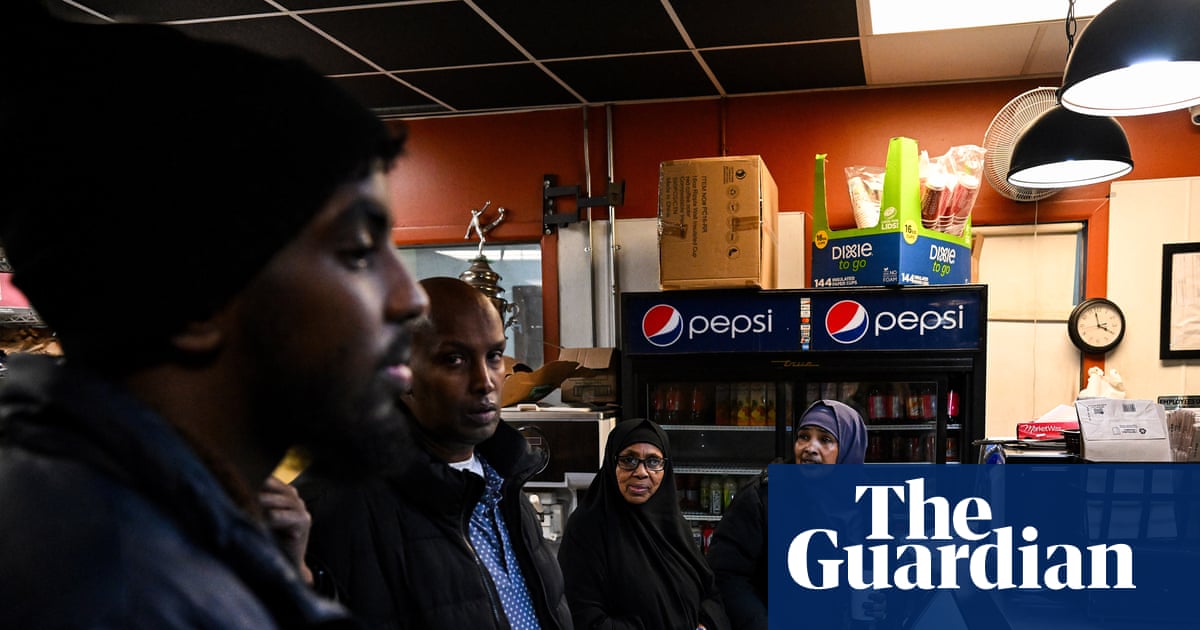
‘Somalis are the scapegoat’: fear rises as Trump targets Minneapolis community
Residents have had to adjust how they’re living – staying home, carrying passports – since Trump launched his attack
Welcome to the American Winter
In the frozen streets of Minneapolis, something profound is happening.
Somebody Blew up Oakland: Dispossession as a Praxis of Racial Ordering
Author(s): Jones, Stephanie Delise | Advisor(s): Hironaka, Ann; Sojoyner, Damien | Abstract: In this dissertation, I investigate the relationship between underdevelopment and Black geographies. I then explore the consequences of this relationship on the city of Oakland. From 2019 to 2021, I conducted 68 in-depth field interviews of Black Oakland residents who detailed the processes and mechanisms by which California housing policy contributed to the displacement of Black subjects. Building on the work of scholars of Black geographies, I have interrogated the myth of development and the relationship to the dispossession of Black geographies. I theorize how racial capitalism produces vulnerable populations through housing in urban areas. The empirical contribution of my research is to provide a framework for Black geographies as people are being displaced. The theoretical contribution is to provide a conceptualization for Black geographies existing through abjections and placelessness as understood through residents of Oakland.I argue that the relationship between dispossession and refusal creates a distinct politic. In chapter two, I theorize the work of Moms for Housing to further understand Black knowledges of resistance to dispossession. Moms for Housing is used as a case study to highlight the many theoretical implications of dispossession occurring in Oakland. In chapter 3, I use two interviews from developers to demonstrate the contradictions in what I call the mythology of development. In chapter 4, I walk through the geographic stories of 2nd and 3rd generation Oakland residents and demonstrate each of the ways they feel locked out of the city as a result of the urban changes. In chapter 5, I demonstrate how communities resist dispossession and disposability. The city of Oakland lacks proactive implementation of equitable housing policy. The lack of action by the city of Oakland puts the onus on everyday residents to organize against their landlords, employers and the state.

Muni Helps Fuel Japantown’s Recovery
San Francisco’s Japantown is thriving post-pandemic. COVID-19 scrambled most cities’ economies and the way residents and visitors spend money. But sales tax data show some neighborhoods, including Japantown, have made quite a comeback.

From Redlining to Greenlining: The Political Ecology of Race, Class, and Access to Green Space in Oakland, California from 1937-2020
Author(s): Corbin, Chryl Natasha Elaine | Advisor(s): Morelli-Frosch, Rachel | Abstract: Since the 1960s, Oakland, California, has been represented as a predominantly African American, low-income, and high crime urbanity. In the 2000s, the municipality started to become recognized as a top green city, and by the 2010s the city began to emerge as a gentrification hot spot. This dissertation elucidates how the relationships between race, class, housing, and access to green spaces have changed from redlining—prior to the Civil Rights Acts of 1964, 1965, and 1968—to 2020, after Oakland adopted an environmental agenda and began to establish itself as a green city starting in the 1990s. I question how Oakland’s urban environmental “sustainable development” agenda has impacted residents’ access to green spaces, and to what extent and how are these policies and practices creating, exacerbating, and/or mitigating urban environmental (in)justice issues. I examine both sides of environmental (in)justice, uneven distribution of environmental harms and the uneven development of environmental goods in which low-income residents and communities of color are disproportionally exposed to environmental hazards while also being prevented from benefiting from environmental amenities. I interrogate Oakland as a 21st century sustainable green city while also examining the historical urban policies and practices embedded in legal residential segregation and the current green gentrification processes which influence and contribute to the environmental (in)justices being (re)produced today.

When police pull back: Neighborhood‐level effects of de‐policing on violent and property crime, a research note
Abstract Many U.S. cities witnessed both de‐policing and increased crime in 2020, yet whether the former contributed to the latter remains unclear. Indeed, much of what is known about the effects of proactive policing on crime comes from studies that evaluated highly focused interventions atypical of day‐to‐day policing, used cities as the unit of analysis, or could not rule out endogeneity. This study addresses each of these issues, thereby advancing the evidence base concerning the effects of policing on crime. Leveraging two exogenous shocks presented by the onset of the coronavirus 2019 (COVID‐19) pandemic and social unrest after the murder of George Floyd, we evaluated the effects of sudden and sustained reductions in high‐discretion policing on crime at the neighborhood level in Denver, Colorado. Multilevel models accounting for trends in prior police activity, neighborhood structure, seasonality, and population mobility revealed mixed results. On the one hand, large‐scale reductions in stops and drug‐related arrests were associated with significant increases in violent and property crimes, respectively. On the other hand, fewer disorder arrests did not affect crime. These results were not universal across neighborhoods. We discuss the implications of these findings in light of debates concerning the appropriate role of policing in the 21st century.

Explosivity by Javier Arbona-Homar | East Bay Booksellers
How explosions across history reveal the violence embedded in San Francisco’s landscape Offering a novel approach to contemporary landscape studies, Explosivity unearths the hidden legacies of violence that have shaped the physical and cultural environment of the San Francisco Bay area.
A City Is Not a Computer
This seems an obvious truth, but we need to say it loud and clear. Urban intelligence is more than information processing.

Community Wealth Building — Urban Affairs Review
Scholars of urban politics have long debated the issue of what cities can and should do to promote the economic well-being of their residents. As the of election Zohran Mamdani illustrates, urban residents are increasingly demanding that city governments do more to address the increasingly exorbitant costs of housing, childcare, and transportation. One obvious solution is to raise taxes on the private holders of wealth. By the same token, his election has prompted handwringing on the right about the “inevitable” flight of capital out of New York City. Scholarship that runs the gamut from the public choice school associated with the “city limits” perspective (Peterson 1981) through to Marxian accounts (Logan and Molotch 1987) all recognize that the private ownership of wealth and the mobility of capital puts cities in a bind, especially in a context of highly circumscribed levels of federal urban spending. Though several scholars (Logan and Swanstrom 1990; Kantor and Savitch 1993; Schragger 2016) have demonstrated that cities have greater latitude to promote egalitarian public policies than these perspective allow, few would argue that the deep structural problems of economic and social inequality can be fully resolved by tax-and-spend liberalism (Imbroscio 2010).