


Since his takeover of Twitter Elon Musk has repeatedly promised to clamp down on hate speech while taking unilateral policy decisions, such as reinstating abusive accounts, that encourage the spread of hate speech on his platforms.
X under Musk’s leadership: Substantial hate and no reduction in inauthentic activity
Numerous studies have reported an increase in hate speech on X (formerly Twitter) in the months immediately following Elon Musk’s acquisition of the platform on October 27th, 2022; relatedly, despite Musk’s pledge to “defeat the spam bots,” a recent study reported no substantial change in the concentration of inauthentic accounts. However, it is not known whether any of these trends endured. We address this by examining material posted on X from the beginning of 2022 through June 2023, the period that includes Musk’s full tenure as CEO. We find that the increase in hate speech just before Musk bought X persisted until at least May of 2023, with the weekly rate of hate speech being approximately 50% higher than the months preceding his purchase, although this increase cannot be directly attributed to any policy at X. The increase is seen across multiple dimensions of hate, including racism, homophobia, and transphobia. Moreover, there is a doubling of hate post “likes,” indicating increased engagement with hate posts. In addition to measuring hate speech, we also measure the presence of inauthentic accounts on the platform; these accounts are often used in spam and malicious information campaigns. We find no reduction (and a possible increase) in activity by these users after Musk purchased X, which could point to further negative outcomes, such as the potential for scams, interference in elections, or harm to public health campaigns. Overall, the long-term increase in hate speech, and the prevalence of potentially inauthentic accounts, are concerning, as these factors can undermine safe and democratic online environments, and increase the risk of offline harms.
Study finds persistent spike in hate speech on X - Berkeley News
The new analysis contradicts the social media platform’s claims that exposure to hate speech and bot-like activity decreased during Elon Musk’s tenure.
Report: Tweets with racial slurs soar since Musk takeover
Instances of racial slurs have soared on Twitter since Elon Musk purchased the influential platform, despite assurances from the platform that it had reduced hateful activity, a digital civil rights group reported Thursday.

Elon Musk’s Push for Free Speech Shows Clear Bias Towards His Own Interests
Musk is seemingly making calls on where to push back based on his own interests.
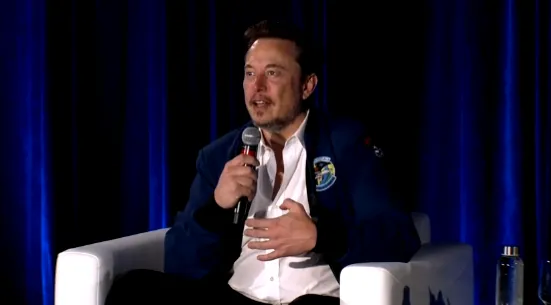
How Elon Musk uses his X social media platform to amplify right-wing views
As X’s owner and most followed user, Elon Musk has increasingly used it as a microphone to amplify his political views and those of the often right-wing figures he’s aligned with.

The sanewashing of Elon Musk - Lawyers, Guns & Money
As Jamelle Bouie points out, Elon Musk spends a great deal of time on the social media site he owns both personally pushing and amplifying themes directly derived from prominent works of violent white supremacy, attracting very little attention from the mainstream press: Over the past month in particular, he has adopted the imagery of […]
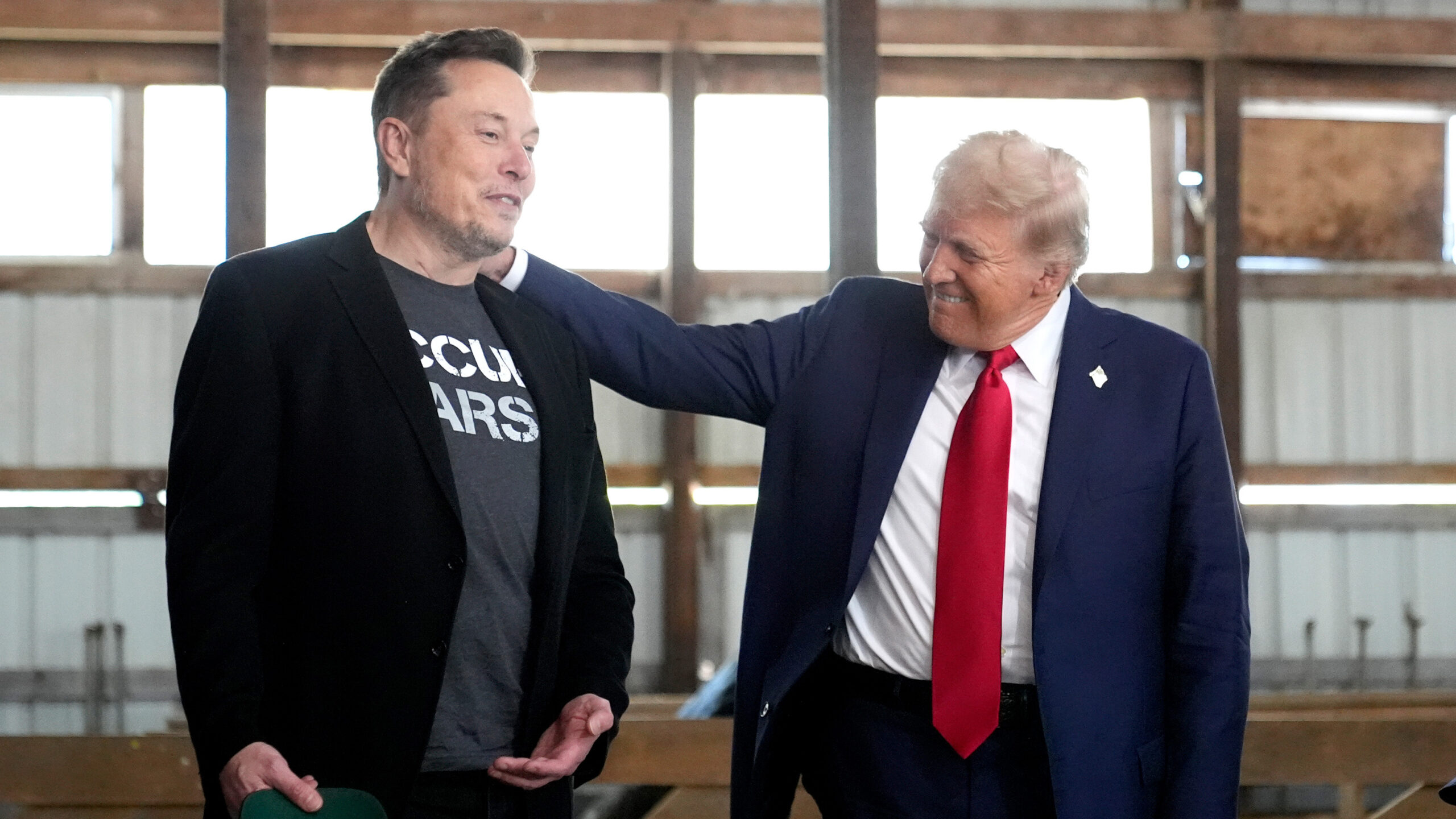
Grok Becomes ‘MechaHitler,’ Twitter Becomes X: How Centralized Tech Is Prone To Fascist Manipulation
This week, Elon Musk’s Grok AI started spewing extreme antisemitism, responding with conspiracy theories about Jewish people, and for a brief period telling people to call it “MechaHitl…

Elon Musk reportedly forced Twitter algorithm to boost his tweets after Super Bowl flop
A tweet from Joe Biden garnered triple the impressions than Musk’s game time post, sending Twitter engineers scrambling to boost their boss

The Weird, Fragmented World of Social Media After Twitter
The common forum that Elon Musk destroyed will never be replaced—and that’s okay.
A Bit of Tedious Drama At Bluesky
Bluesky Can Ban Whoever They Want! But They Won’t Stop Me From Saying What I Think. I Think The World Would Be A Better Place Without Elon Musk.

They Criticized Musk on X. Then Their Reach Collapsed. (Published 2025)
Three users who disagreed with the site’s owner saw views for their posts plummet.

The Media Can't Stop Propping Up Elon Musk's Phony Supergenius Engineer Mythology
"CEO said a thing!" journalism is now utterly pervasive, and includes parroting billionaire and CEO claims with a total disregard for whether or not anything being said is actually true.
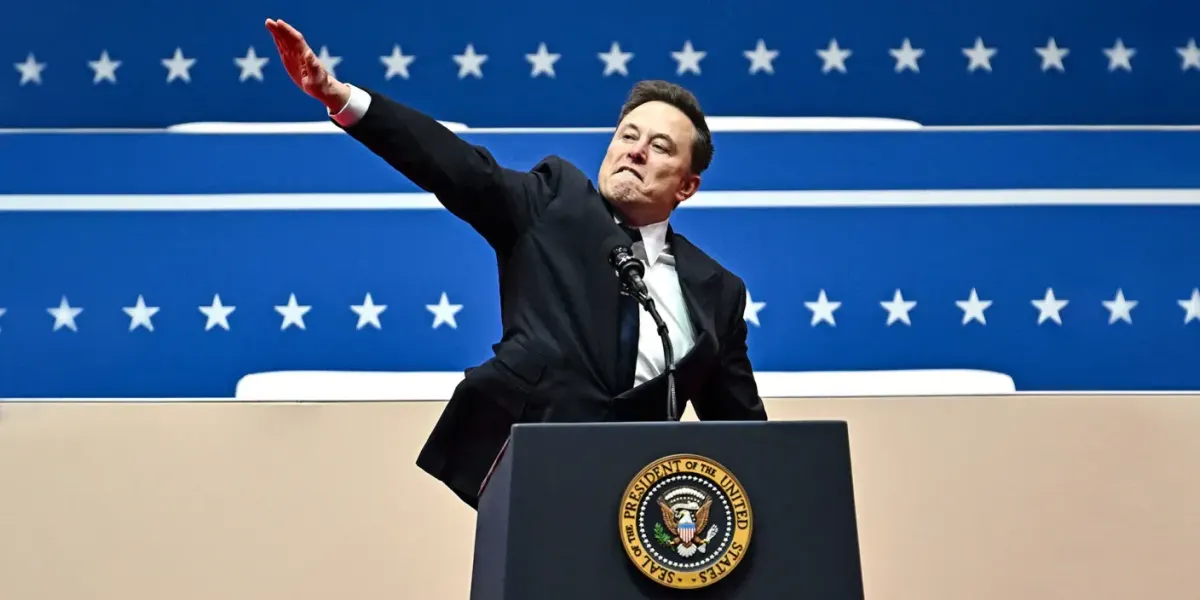
How Elon Musk Is Changing the Twitter Experience (Published 2023)
Nearly six months after buying Twitter, Mr. Musk has made tweaks that have altered what people see on the platform and how they interact with it.

Elon Musk's Grokipedia Pushes Far-Right Talking Points
The new AI-powered Wikipedia competitor falsely claims that pornography worsened the AIDS epidemic and that social media may be fueling a rise in transgender people.

Online anonymity/pseudonymity

“There's plenty of research in this topic area that shows hate speech doesn't decline when real-name policies are in effect, in fact usually the inverse, and the diversity of people contributing to conversations decreases” — bsky.app/profile/did:plc:5w4eqcxzw5jv5…
Research - Disqus
What’s in a name? A forward view of anonymity online

Anonymity and Online Commenting: The Broken Windows Effect and the End of Drive-by Commenting

Anonymity, Pseudonymity, and Deliberation: Why Not Everything Should Be Connected
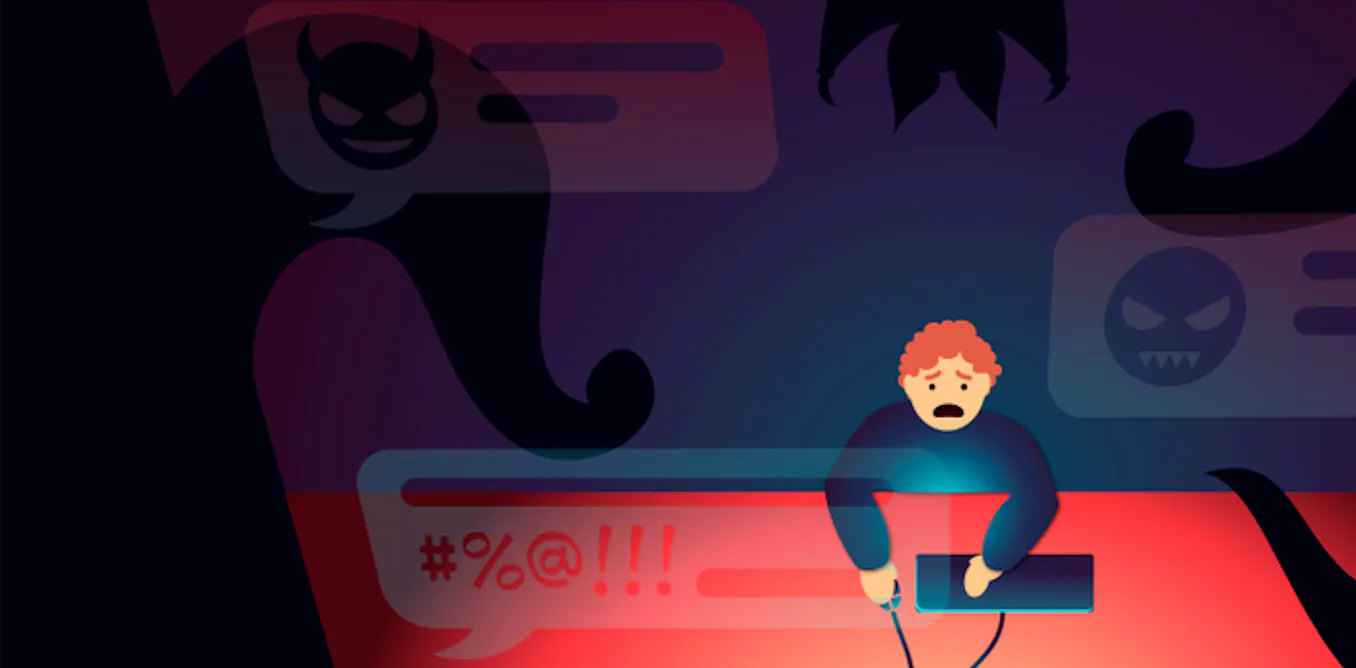
Online anonymity: study found ‘stable pseudonyms’ created a more civil environment than real user names

Real-Name Policies: The War Against Pseudonymity