


Learn how you can navigate the platforms your children and teens are using by downloading our free guide below. You don't need to be parent to keep the kids and teens in your life safe.
Home | Protecting Kids Online
Our mission is to protect children and defend parental rights by equipping families and citizens with the tools to keep kids safe online. We oppose government surveillance disguised as child safety legislation and seek to build an informed, independent parent-led coalition to #ProtectKidsOnline.

Ensuring a safer online experience for U.S. kids and teens
An overview of our approach to age assurance and our commitment to online safety for young users and families.

Guide to age assurance
The internet offers children and young people many empowering opportunities for personal growth, learning, and social exchange. However, along with these great benefits can come certain risks, including children facing content or services that may be harmful to them. Age assurance is one solution that can be used to keep children safe from online risks.
The "Segregate-and-Suppress" Approach to Regulating Child Safety Online
<div> In an effort to protect children online, regulators around the country and the world are enacting laws that compel Internet publishers to age-authenticat

Online age-verification tools spread across U.S. for child safety, but adults are being surveilled
New age-verification laws and tools are designed for child safety on social media and the internet, but adults are in the crosshairs, say privacy experts.

Children’s Online Privacy Protection Act
Children's Online Privacy Protection Act, addresses the collection, use, and disclosure of personal information about children collected from children through websites or other online services.
Online age verification systems fail to protect children | Proton
Do online age verification systems improve child safety? See how age restrictions and age checks fall short, and what that means for privacy and protection.

The Kids Online Safety Act Will Make the Internet Worse for Everyone
Lawmakers who support KOSA today are choosing to trust the current administration, and future administrations, to define what youth—and to some degree, all of us—should be allowed to read online.
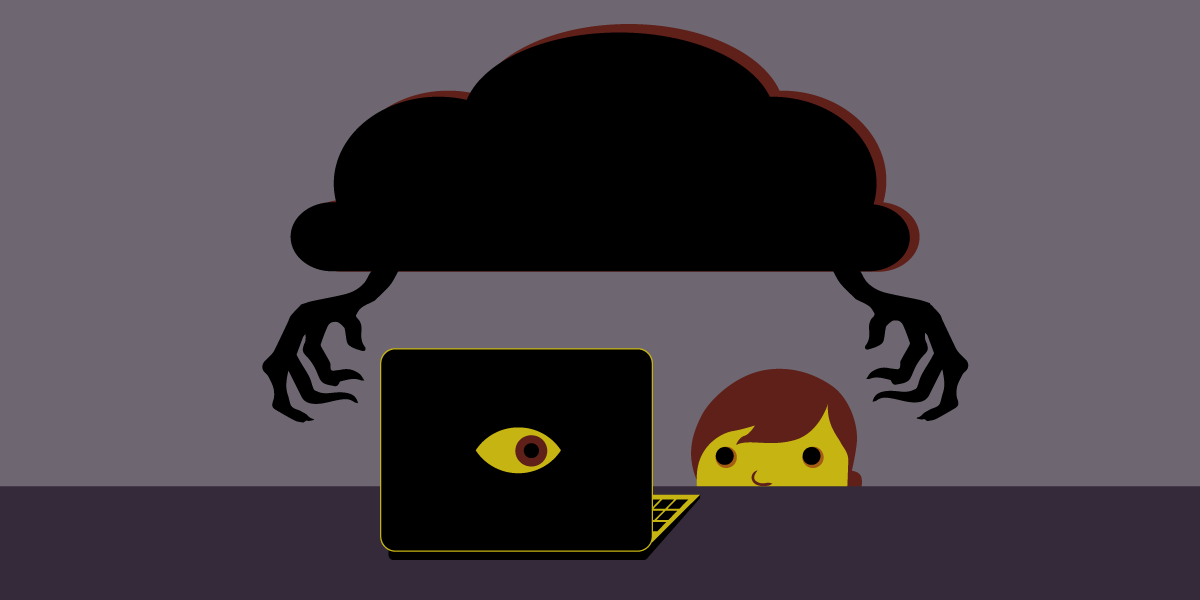
Children’s Rights and Online Age Assurance Systems
Abstract Age assurance is a way to prevent children accessing content, products or services that are potentially harmful to them, ranging from gambling services or alcohol or tobacco or, increasingly, certain products and services online. Now that children’s lives are mediated by digital technologies, policymakers are deliberating over the legal, technical and practical challenges. These have been little examined from the perspective of children’s rights. By combining legal and social research methods, this article examines the legal requirements for age assurance in Europe, assesses compliance by companies and reveals the consequences for family life. In law and practice, we show that age assurance is often ineffective in protecting children from online risk of harm. Further, as currently implemented it risks children’s other rights – to non-discrimination, privacy, to be heard, and their civil rights and freedoms, and remedy. We identify promising directions for the use of age assurance in child online protection, focusing on European policy, regulators and civil society actors.

Why Protecting Kids from Social Media May Make Things Worse — Douglas Rushkoff
I’m supposed to give a talk next week about kids and social media and the need for more media literacy education, more regulation of platforms, and more substantive discussion about how to keep our kids from media-induced self-harm. The whole event is well-meaning, but is characterized by a sense of worry and protection. And for some reason, after years of making those sorts of arguments in my articles and documentaries, I have a strong impulse to pivot the other way.
Debate: Social media in children and young people – time for a ban? Weighing up the implications and limitations of age-based social media restrictions
Recent legislation in Australia banning social media accounts for children under 16, alongside similar proposals worldwide, has ignited debate about whether age-based restrictions are an effective way to protect young people's mental health. While the intent of such bans is to reduce exposure to harmful content, their feasibility and effectiveness remain unclear. Enforcement requires robust age verification, often relying on sensitive data such as government-issued identification or facial scans, which raises privacy concerns and can be circumvented through the use of VPNs. Moreover, social media use is diverse. Although it can intensify harms such as bullying, it also provides vital opportunities for connection and support, particularly for marginalised adolescents. Removing access to accounts may limit risks within platforms, but does not prevent exposure to harmful content elsewhere, nor does it guarantee increased offline engagement. Importantly, blanket bans fail to address unsafe design features embedded within social media or to equip adolescents with the skills needed to navigate online environments. More targeted, evidence-based regulation that promotes safer platform design and accountability may provide a more effective pathway to protecting young people's well-being.

The Dangers of Age Verification Provisions
One proposed solution to ensuring safe youth online experiences is age verification provisions, which require platforms to confirm the ages

KWS - Tools to help developers manage youth audiences at scale
Kids Web Services is built to enable safer digital experiences for young audiences. We help our partners navigate the complex global landscape of parental consent and verification, enabling youth audiences to access the games and platforms they love.
App Stores Shouldn’t Have to Parent the Internet
App store–level age verification laws pose privacy, security, and free-speech risks while leaving websites unregulated, whereas device-level, opt-in parental controls offer a more comprehensive and safer way to protect children online.
U.S. Social Media Regulations for Minors
The digital lives of American children and teenagers have become a focal point of intense national debate and legislative action. ContentsThe Federal Foundation: The Children’s Online Privacy Protection Act (COPPA)The State-Level Surge: A Patchwork of New RulesThe Next Generation of Federal Law: Congress Weighs InThe Constitutional Crossroads: Free Speech vs. State RegulationThe Great Debate: Voices […]

Yes, Smartphones Are Destroying a Generation, But Not of Kids - JSTOR Daily
Why parents need to embrace our role as digital mentors: offering kids and teens ongoing support and guidance in how to use the internet appropriately.
